
The Role of Auto Glass in Protecting Modern Vehicle Safety Features
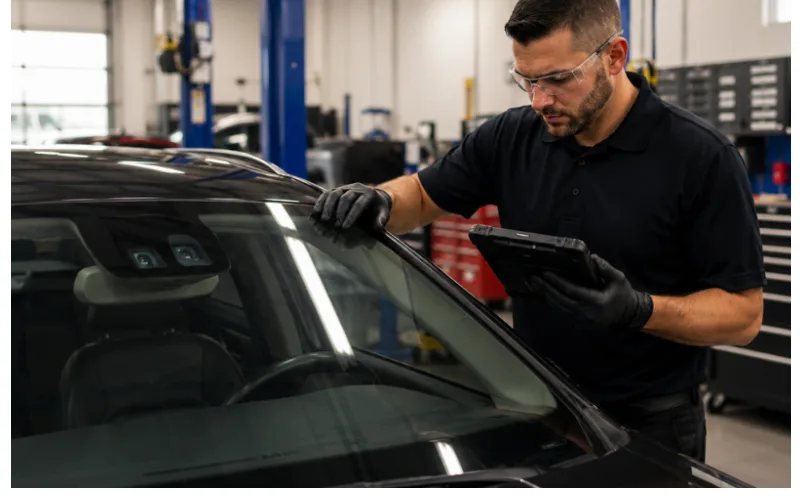
Modern cars carry more safety technology than most drivers realize, and much of it depends on a clear, properly fitted pane of glass. What looks like a simple windshield now works as a mounting surface and operating window for cameras and sensors that watch the road. Charlotte drivers facing chips, cracks, and replacements benefit from understanding how deeply glass connects to these systems. Below, each section breaks down that relationship clearly.
Why Glass Now Protects Vehicle Safety
Your windshield stopped being a passive barrier years ago. Laminated glass holds the cabin together during a rollover and gives airbags a firm surface to push against. Behind the upper glass sits a forward-facing camera that reads the road for Advanced Driver Assistance Systems. Auto glass specialists such as Charlotte Auto Glass NC regularly see how one crack reaches past the surface and disturbs the safety systems built around it, which the NHTSA tracks closely.
How Glass Supports Driver Assistance Systems
Cameras and sensors read everything through your windshield, so clarity and exact positioning carry real weight. When drivers search for auto glass repair Charlotte NC, many learn that a camera looking through distorted glass cannot judge distance correctly. Lane keep assist, adaptive cruise control, and automatic braking all rely on a clean optical path. Even minor flaws in the glass can scatter incoming light and weaken how accurately these systems interpret approaching hazards on busy roads.
Sensors And Cameras Behind Your Glass
Several components live just behind your upper windshield. Forward-facing cameras track lane markings and vehicles ahead, feeding constant data to your car’s computer. Rain sensors trigger automatic wipers, while radar units measure following distance for adaptive cruise control. Manufacturers like Toyota, Honda, and Subaru mount these parts in tight, precise zones. Each sensor expects an exact angle and a clear view, which means glass condition directly shapes how dependable these features remain.
Why Glass Quality Affects Sensor Accuracy
Glass quality changes how accurately a camera reads its surroundings. OEM glass matches factory thickness, curvature, and optical clarity, while some aftermarket panes introduce slight distortion. A windshield replacement service in Charlotte NC that uses correctly specified glass helps sensors hold their alignment. Acoustic glass and tinting bands must sit in proper positions too. Small variations in curvature or thickness can bend incoming light enough to throw a forward-facing camera off its expected reading.
What Damage Does To Safety Features
Visible damage often carries invisible consequences for your safety systems. A windshield repair service Charlotte NC drivers trust can catch problems before they spread:
- A chip inside the camera zone scatters light and weakens object detection
- Cracks spreading across the glass may block lane-marking recognition
- Compromised laminated glass reduces airbag support and roof strength
- Poorly bonded glass shifts sensor angles by small but meaningful amounts
- Delayed repair turns minor damage into full replacement, requiring recalibration afterward
Calibration Keeps Safety Systems Working Correctly
Replacing your glass does not finish the job. When technicians remove and refit a windshield, the forward-facing camera rarely returns to its exact original angle. Recalibration repositions the camera so that braking and steering systems receive accurate road data again. Without this step, your vehicle might brake late, warn incorrectly, or drift within its lane. Calibration restores the precise aim that Advanced Driver Assistance Systems need to function as the manufacturer originally designed them.
Static Versus Dynamic Calibration Methods Explained
Two main calibration methods exist, and many vehicles need both. Static calibration happens inside a shop using fixed targets, level flooring, and controlled lighting. Dynamic calibration requires driving the vehicle on well-marked roads while the system relearns its surroundings. Clear lane markings matter here, which makes routes along I-485 and Independence Boulevard practical choices. FMVSS standards and manufacturer procedures decide which method, or combination, each specific model actually requires.
When Recalibration Becomes Genuinely Necessary
Certain events always demand recalibration before driving normally. Windshield replacement tops that list, since removing the glass disturbs the mounted camera. Collision repair, sensor replacement, and suspension changes also alter how sensors read the road. Brands including Ford, Nissan, Tesla, and BMW specify calibration after such work. NHTSA guidance reinforces this, treating recalibration as a safety requirement rather than an optional extra step drivers can reasonably skip.
Does A Cracked Windshield Affect Safety?
Yes, a cracked windshield can affect your safety features, depending on where the crack sits and how far it spreads. Damage inside the camera’s field blocks the view your systems rely on. Cracks also weaken laminated glass that supports airbags and roof strength. A Mobile Auto Glass Service reaching drivers across Ballantyne and NoDa often inspects exactly these zones, since location determines whether a crack stays cosmetic or becomes safety-important.
How Often Should ADAS Need Recalibration
Recalibration follows specific events rather than a fixed schedule. Your vehicle needs it after windshield replacement, collision repair, or sensor work, not on a routine calendar basis. No standard mileage interval applies because alignment stays stable until something physically disturbs it. Auto Glass Safety Council guidance supports this event-driven approach. Treating calibration as a response to real changes keeps your safety systems accurate without unnecessary appointments or wasted time.
Charlotte Conditions That Wear Down Glass
Local driving conditions push windshields harder than many owners expect. Highway debris along I-77 and I-85 strikes glass at speed and creates sudden chips. Hot summers followed by strong air-conditioning produce thermal stress that widens existing cracks. Long commutes from Concord, Huntersville, and Fort Mill add highway miles and raise impact odds. When drivers need auto glass repair in Charlotte NC, after such damage, location and severity together guide the right response.
Roads, Weather And Debris Across Charlotte
Several regional factors speed up windshield wear noticeably:
- Debris and gravel along I-77, I-485, and Wilkinson Boulevard cause frequent chips
- Stop-and-go traffic on South Boulevard increases exposure to kicked-up material
- Summer heat and sudden cooling create stress that widens small cracks
- Construction near Charlotte Douglas International Airport raises flying-debris risk
- Commutes from Matthews, Mint Hill, and Pineville mean more highway exposure
A windshield repair service Charlotte NC residents rely on reaches these neighborhoods directly through mobile visits.
Choosing Between Repair And Glass Replacement
Repair or replacement depends heavily on the damage location and size. Technicians can often fill a small chip outside the camera zone, restoring strength quickly. Damage sitting directly in the sensor’s view usually calls for full replacement followed by calibration. A windshield replacement service in Charlotte NC, weighs crack length, depth, and position before deciding. Acting early often keeps a minor chip repairable instead of letting it grow into a costly replacement.
Final Thoughts
Safety standards keep tightening, which raises the stakes for proper glass care. NHTSA finalized a rule requiring automatic emergency braking on new light vehicles by September 2029 under FMVSS 127. Such systems depend on glass-mounted cameras and pedestrian detection that demand precise alignment. Maintaining clear, correctly fitted glass now prepares your vehicle for safety technology that regulators are making mandatory. Caring for your windshield directly protects the features, keeping everyone on Charlotte roads safer.