
How Performance Marketing Is Redefining Digital Growth for Modern Brands
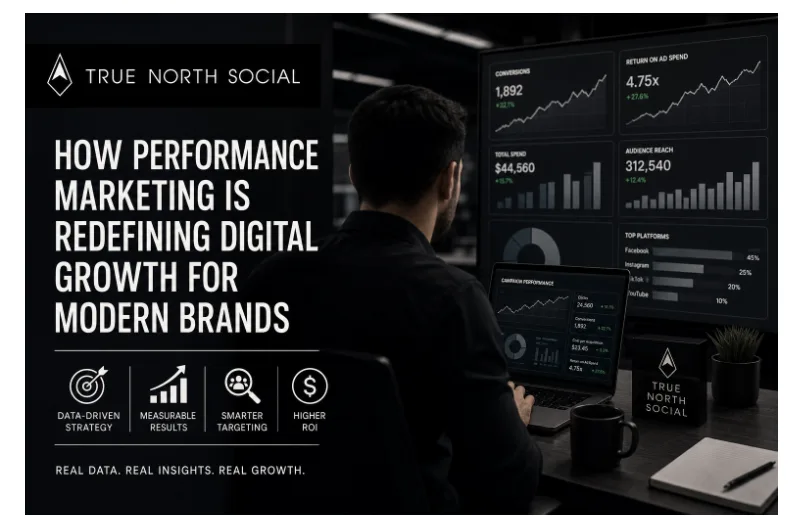
Digital marketing has entered a new phase where businesses are no longer satisfied with vague metrics or surface-level engagement. Instead, the focus has shifted toward measurable performance, where every campaign is evaluated based on real outcomes such as conversions, customer acquisition, and return on investment.
This shift has led to the rapid growth of performance marketing strategies, where data plays a central role in decision-making. Rather than relying on assumptions, businesses now use analytics to understand audience behavior, refine targeting, and continuously optimize campaigns.
One of the key advantages of performance marketing is its ability to deliver transparency. Brands can track exactly how their campaigns are performing across platforms like Facebook, Instagram, TikTok, and YouTube. This level of insight allows businesses to allocate budgets more effectively and scale what works.
According to insights from True North Social, a full-service Digital Marketing Agency, combining data-driven strategies with creative execution is essential for achieving consistent results.
“Marketing today is about more than just visibility,” a representative explains. “It’s about understanding your audience, delivering the right message, and continuously improving based on real performance data.”
Content creation remains a critical component of this process. In highly competitive digital spaces, attention is limited, and brands must stand out quickly. High-quality visuals, engaging videos, and clear messaging help capture interest and encourage interaction.
However, creativity alone is not enough. Without proper targeting and analysis, even the most visually appealing campaigns can fail to deliver results. This is why businesses are increasingly adopting a balanced approach that integrates both creative content and performance tracking.
Another important factor shaping modern marketing is audience targeting. Advanced tools now allow businesses to reach specific segments based on interests, behaviors, and demographics. This precision reduces wasted spend and improves overall campaign efficiency.
Adaptability is also becoming a defining trait of successful marketing strategies. As algorithms and user behavior continue to change, businesses must remain flexible and responsive. Regular testing, data analysis, and campaign adjustments are essential for maintaining performance over time.
The evolution of digital marketing highlights a clear trend: results matter more than ever. Businesses are moving away from broad, generic strategies and toward focused, data-driven campaigns that deliver measurable impact.
As this shift continues, brands that invest in both strategic planning and creative execution will be better positioned to compete in an increasingly dynamic digital landscape.