
The Long-Term Impact of Teaching Functional Life Skills Early
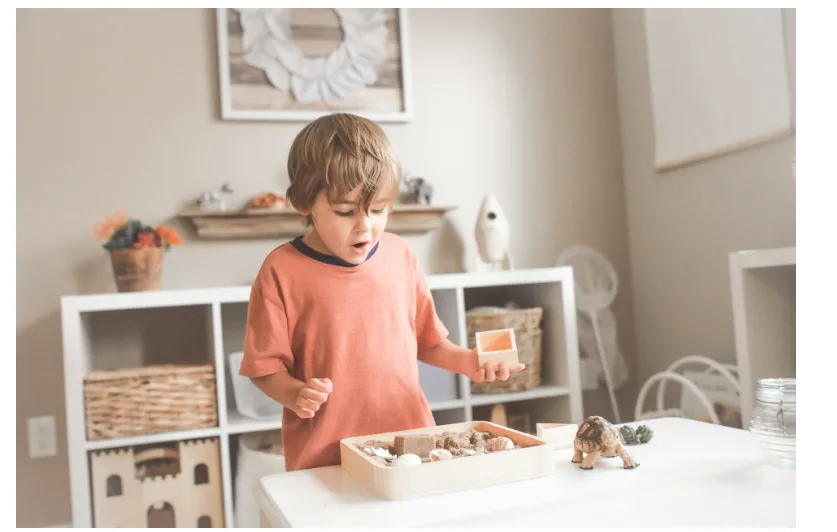
When people think about childhood learning, they often focus on academic achievements, communication milestones, or social development. While these areas are certainly important, functional life skills deserve just as much attention, as they influence how children navigate their daily lives now and in the future.
Skills such as following routines, dressing independently, communicating needs, managing simple responsibilities, and making choices may seem small when viewed individually. Yet, together they form the foundation for long-term independence and confidence. And why are these important? Well, we interviewed Little Legends ABA, an ABA therapy provider in Charlotte, North Carolina, to learn more about the functional life skills, and this article explores all the reasons why you should not ignore them for your kid.
Teaching functional life skills early allows children to develop practical abilities that can support them throughout adolescence and adulthood. Rather than waiting until challenges arise later in life, early instruction helps children build habits and routines that become more natural over time. As these skills strengthen, they can positively affect learning, relationships, self-esteem, and overall quality of life.
Building Independence
One of the most significant long-term benefits of teaching functional life skills early is the development of independence. Children who learn how to complete everyday tasks on their own gradually become less reliant on constant assistance from parents, teachers, or caregivers.
Whether it involves putting away belongings, washing hands, preparing simple snacks, or following a morning routine, these experiences teach children that they are capable of managing parts of their day successfully.
As children grow older, the value of this independence becomes even more apparent. Tasks become more complex, responsibilities increase, and expectations expand beyond the home environment. A child who has already practiced solving problems, completing routines, and taking responsibility for daily activities often finds it easier to adapt to new situations and embrace greater levels of independence.
Strengthening Confidence
Functional life skills do more than teach practical abilities; they also help children develop confidence in themselves. Every time a child completes a task independently, they experience a sense of accomplishment that reinforces their belief in their own capabilities. These moments may seem minor to adults, but they can have a powerful effect on a child’s self-perception.
Over time, repeated successes encourage children to approach new challenges with greater confidence rather than hesitation. Instead of waiting for someone else to solve a problem, they begin to trust their own abilities and become more willing to try unfamiliar tasks. This confidence often extends beyond functional skills and influences academic learning, social interactions, and personal growth.
Improving Communication
Many functional life skills are closely connected to communication. Learning how to ask for help, express preferences, make requests, or communicate needs effectively allows children to participate more actively in their environments. These communication opportunities help reduce frustration while increasing meaningful interactions with others.
The long-term impact of early communication-focused life skills can be substantial. Children who learn to advocate for themselves are often better equipped to navigate school settings, social relationships, and future responsibilities. Effective communication becomes a tool that supports independence and helps individuals engage more confidently in everyday situations.
Supporting School Success
Functional life skills often contribute to success in educational environments in ways that may not always be immediately visible. Skills such as following directions, transitioning between activities, organizing materials, and managing routines allow children to participate more effectively in classroom settings.
When these abilities are introduced early, children frequently spend less energy managing daily demands and more energy focusing on learning opportunities. As academic expectations increase throughout the years, a strong foundation of functional skills can help students remain organized, adaptable, and prepared to handle new challenges with greater confidence.
Encouraging Problem Solving
Life rarely unfolds exactly as planned, which is why problem-solving is such an important skill to develop. Functional life skills often create natural opportunities for children to learn how to make decisions, evaluate options, and respond to unexpected situations. Whether a preferred item is unavailable or a routine changes unexpectedly, children gradually learn how to adapt and move forward.
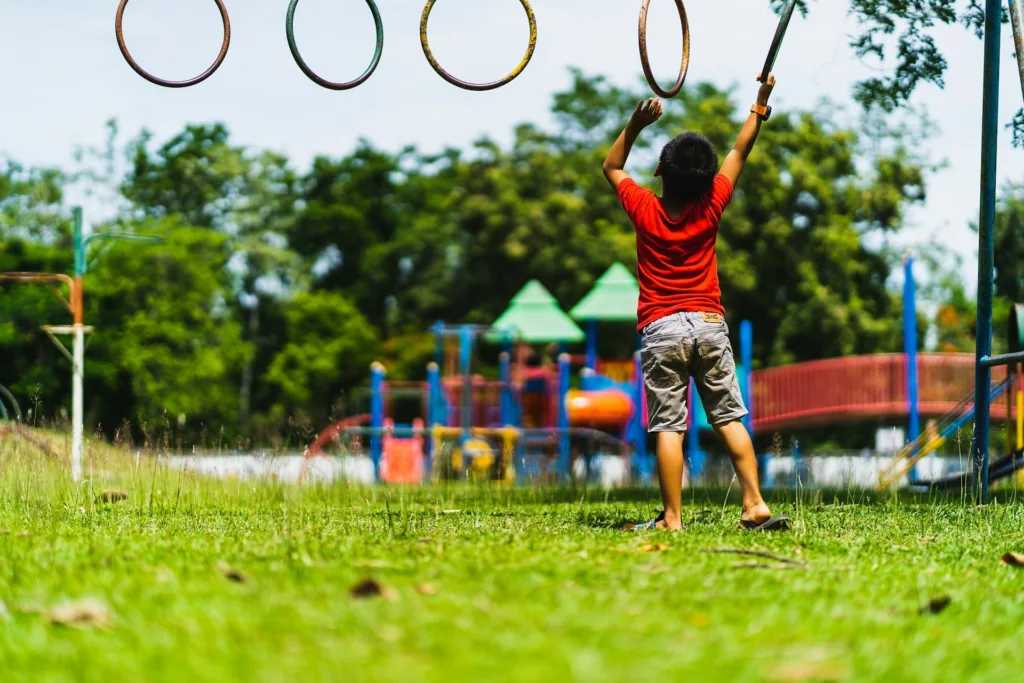
The ability to solve problems independently becomes increasingly valuable throughout life. Children who have opportunities to practice flexibility and decision-making at a young age often become adults who can approach challenges thoughtfully rather than feeling overwhelmed by them. These experiences help build resilience that supports long-term success across many areas of life.
Developing Responsibility
Responsibility is not something that appears suddenly during adolescence or adulthood. It develops gradually through consistent opportunities to participate in everyday activities and contribute to personal routines. Functional life skills provide children with these opportunities by teaching them to take ownership of age-appropriate tasks and responsibilities.
As responsibility becomes part of daily life, children often develop a stronger understanding of accountability and follow-through. These qualities can support future success in school, employment, relationships, and community involvement because they encourage individuals to take an active role in managing their obligations and commitments.
Preparing for Adulthood
Although adulthood may seem far away during childhood, the skills needed for independent living begin developing much earlier than many people realize. Functional life skills create the building blocks that support future abilities such as managing schedules, maintaining personal care routines, making decisions, communicating effectively, and handling responsibilities.
Children who are exposed to these skills early often have more opportunities to practice and refine them over time. Rather than learning everything at once later in life, they develop competence gradually, allowing skills to become familiar and meaningful parts of everyday living. This long-term preparation can make future transitions smoother and less overwhelming.
Lasting Benefits
The true value of teaching functional life skills early lies in their lasting impact. While academic achievements and developmental milestones are important, practical life skills influence how individuals manage daily responsibilities, interact with others, and navigate the world around them. These abilities continue providing benefits long after childhood because they support independence, confidence, communication, and personal growth.
When children are given opportunities to learn and practice functional life skills from an early age, they gain more than the ability to complete specific tasks. They develop the tools needed to approach life with greater confidence, adaptability, and self-sufficiency. Those early lessons often become lifelong strengths that continue shaping success well into adulthood.
Looking Ahead
Teaching functional life skills early is ultimately an investment in a child’s future. The routines, habits, and practical abilities developed during childhood create a foundation that supports lifelong learning and independence. While progress may occur one small step at a time, the cumulative effect can be profound.
Every opportunity to practice a meaningful life skill helps prepare children for future challenges and responsibilities. Over the years, these experiences contribute to greater confidence, stronger decision-making abilities, and an increased capacity to participate independently in everyday life. What begins as a simple lesson during childhood can ultimately become a skill that supports success for decades to come.