
Understanding HVAC: The Backbone of Indoor Comfort
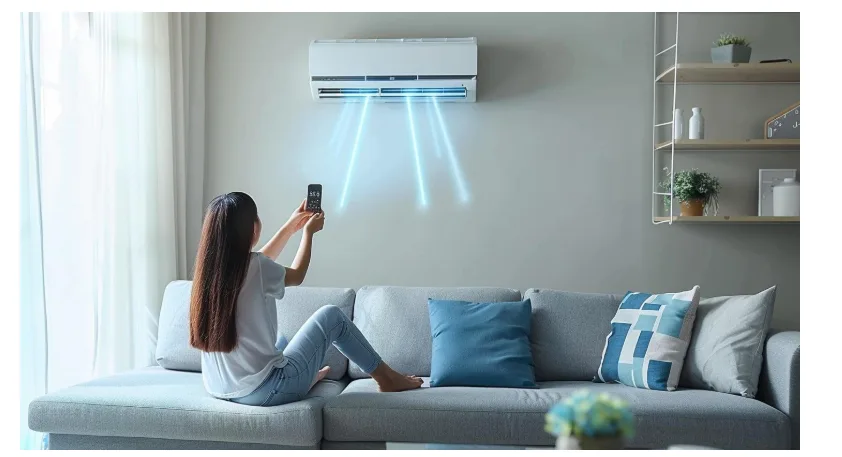
HVAC stands for Heating, Ventilation, and Air Conditioning. It is a technology system designed to provide thermal comfort, maintain indoor air quality, and regulate temperature in residential, commercial, and industrial buildings. HVAC systems have become an essential part of modern life, ensuring comfortable living and working environments throughout the year.
What Is an HVAC System?
An HVAC system is a combination of equipment and technologies that work together to control indoor climate conditions. The three main components include:
Heating: This component generates warmth during cold weather. Common heating systems include furnaces, boilers, heat pumps, and electric heaters.
Ventilation: Ventilation ensures the circulation of fresh air throughout a building. It removes stale air, odors, moisture, dust, and airborne contaminants while bringing in clean outdoor air.
Air Conditioning: Air conditioning systems cool indoor spaces during hot weather. They remove excess heat and humidity, creating a comfortable indoor environment.
How Does an HVAC System Work?
An HVAC system operates by controlling airflow, temperature, and humidity. During winter, the heating unit generates warmth and distributes it through ducts or radiators. In summer, the air conditioning system removes heat from indoor air and releases it outside.
Ventilation systems continuously exchange indoor and outdoor air, helping maintain healthy air quality. Modern HVAC systems often use thermostats and smart controls that allow users to adjust temperature settings efficiently and automatically.
Types of HVAC Systems
There are several types of HVAC systems available to meet different building requirements:
- Split Systems: The most common type, featuring separate indoor and outdoor units for heating and cooling.
- Hybrid Systems: These systems combine traditional heating methods with energy-efficient heat pumps.
- Ductless Mini-Split Systems: Ideal for homes or buildings without ductwork.
- Packaged HVAC Systems: All components are housed in a single unit, commonly used in commercial buildings.
- Heat Pump Systems: These systems provide both heating and cooling while consuming less energy.
Benefits of HVAC Systems
A properly functioning HVAC system offers numerous benefits:
- Improved indoor comfort throughout the year.
- Better indoor air quality by filtering dust, allergens, and pollutants.
- Enhanced energy efficiency, reducing utility costs.
- Consistent temperature control across different rooms.
- Increased property value and occupant satisfaction.
Importance of Regular HVAC Maintenance
Routine maintenance is crucial for keeping HVAC systems operating efficiently. Regular inspections, filter replacements, duct cleaning, and system tune-ups help prevent breakdowns and extend equipment lifespan.
Neglecting maintenance can lead to higher energy consumption, reduced performance, poor air quality, and costly repairs. Experts recommend scheduling professional HVAC servicing at least once or twice a year.
The Future of HVAC Technology
The HVAC industry continues to evolve with advancements in smart technology and energy efficiency. Smart thermostats, automated climate controls, and environmentally friendly refrigerants are transforming how HVAC systems operate. These innovations help reduce energy consumption while providing greater comfort and convenience.
Conclusion
HVAC systems play a vital role in maintaining comfortable, healthy, and energy-efficient indoor environments. Whether in homes, offices, hospitals, or industrial facilities, HVAC technology ensures proper heating, cooling, and ventilation year-round. By investing in a quality HVAC system and maintaining it regularly, property owners can enjoy improved comfort, better air quality, and long-term energy savings.