
Step-by-Step Guide to Commercial Building Inspections and Reporting
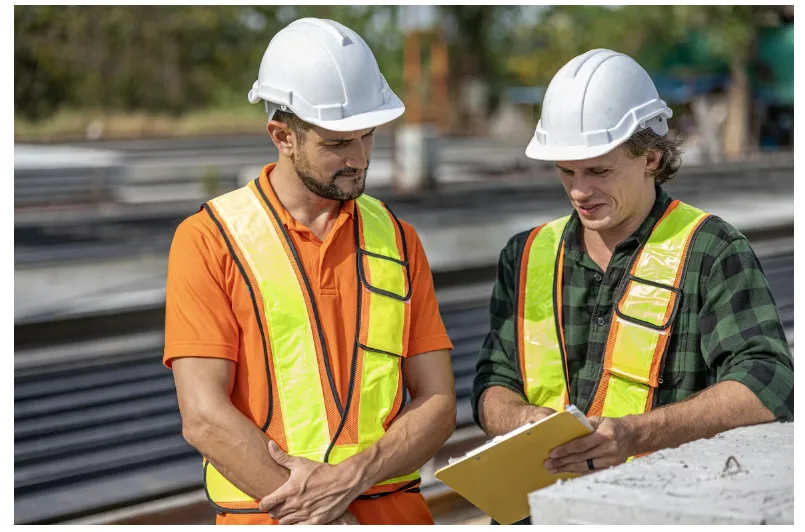
Commercial real estate is one of the most significant investment classes, but it also carries a high level of complexity and risk. Unlike residential properties, commercial buildings involve multiple systems, long term capital planning, regulatory compliance, and operational dependencies. Because of this, understanding the true condition of a property is essential before making any investment or management decision.
A structured commercial building inspection and reporting process provides clarity. It allows property owners, investors, and lenders to evaluate risk, anticipate future costs, and make informed decisions based on evidence rather than assumptions.
This guide explains how a professional inspection is conducted, step by step, and how findings are translated into meaningful reports.
Understanding the Role of a Commercial Inspection
A commercial building inspection is not simply a visual walkthrough of a property. It is a detailed evaluation of the building’s structure, systems, and overall condition, aimed at identifying both current deficiencies and future risks.
The goal is to answer a simple but critical question: what will it actually cost to own and maintain this property over time?
Experienced consulting firms such as Wbtreececonsultants approach inspections with this long term perspective in mind, focusing not only on present conditions but also on future capital needs and operational sustainability.
Reviewing Property Background and Documentation
Every inspection begins with understanding the property itself. Before stepping on site, inspectors review all available documentation to build context around the building’s history and design.
This may include architectural drawings, previous inspection reports, maintenance records, and operational data. This stage is essential because it often reveals patterns, such as recurring maintenance issues or previously unresolved defects, that require closer attention during the physical inspection.
By establishing this foundation early, inspectors are better prepared to evaluate the property with accuracy and focus.
Conducting the Physical Site Inspection
The on site inspection is the most detailed and time intensive part of the process. During this stage, inspectors physically examine the building from top to bottom, assessing its visible condition and overall performance.
Structural components such as foundations, framing systems, roofing, and exterior walls are carefully evaluated. Attention is also given to interior spaces, including finishes, ceilings, flooring, and signs of wear such as moisture intrusion or deterioration.
Exterior infrastructure, parking areas, drainage systems, and landscaping, is also reviewed, as these elements often impact both safety and property value.
Throughout the inspection, detailed notes and photographic documentation are collected to ensure that findings are accurate and verifiable.
Evaluating Core Building Systems
Beyond the physical structure, commercial buildings rely on interconnected systems that support daily operations. These systems include HVAC, electrical distribution, plumbing, fire protection, and mechanical equipment such as elevators and pumps.
Each system is assessed not only for its current functionality but also for its efficiency, reliability, and remaining useful life. Even systems that are currently operational may be nearing the end of their service life, which can result in significant future costs if not planned for in advance.
A comprehensive evaluation of these systems is essential for understanding the true operational health of the building.
Identifying Risks and Maintenance Deficiencies
Once the physical and systems evaluations are complete, the next step is to identify risks and deficiencies. These issues can range from minor maintenance concerns to major structural or mechanical problems.
Some risks are immediately visible, while others require deeper analysis and experience to uncover. Common issues include water damage, aging mechanical systems, electrical inefficiencies, and areas of deferred maintenance that may have been overlooked over time.
Professional consultants, including firms like Wbtreececonsultants, focus on separating urgent issues from long term capital requirements so that stakeholders can prioritize effectively.
Estimating Costs and Planning Future Capital Needs
After identifying deficiencies, the next step is translating technical findings into financial estimates. This is one of the most valuable parts of the inspection process because it connects physical conditions with financial planning.
Costs are typically organized into short term repairs, mid term replacements, and long term capital expenditures. This structure allows property owners and investors to understand how expenses will unfold over time, rather than being surprised by unexpected costs.
Proper capital planning ensures that a building remains financially sustainable throughout its lifecycle and helps avoid reactive decision making.
Reviewing Compliance and Regulatory Standards
Commercial properties must comply with a wide range of building codes, safety regulations, and local requirements. During the inspection process, compliance is reviewed to ensure that the property meets all necessary standards.
This includes fire and life safety systems, accessibility requirements, and environmental regulations. Even minor compliance gaps can lead to delays, penalties, or legal complications, making this step an important part of the overall evaluation.
Preparing the Final Inspection Report
Once all findings have been collected and analyzed, they are compiled into a comprehensive inspection report. This report serves as the final and most important deliverable of the entire process.
A well prepared report provides a clear summary of the building’s condition, supported by detailed observations, photographs, risk analysis, and cost projections. It also outlines recommendations for maintenance planning and future capital investment.
The purpose of the report is not only to document issues but to provide clarity, helping decision makers understand exactly what they are dealing with and what it will require moving forward.
Conclusion
Commercial building inspections are a vital part of responsible real estate ownership and investment strategy. They provide a structured, data driven understanding of a property’s condition, helping stakeholders identify risks, plan costs, and make informed decisions.
When performed correctly, these inspections go far beyond surface level observations. They provide insight into the long term financial and operational reality of a property.
Consulting firms such as Wbtreececonsultants apply structured and methodical approaches to ensure that inspections are thorough, reliable, and useful for real world decision making.
Ultimately, a well executed inspection and reporting process is not just about identifying problems, it is about creating clarity, reducing uncertainty, and supporting smarter investment decisions.