
How Can an AI Agent Transform Your Business Operations?
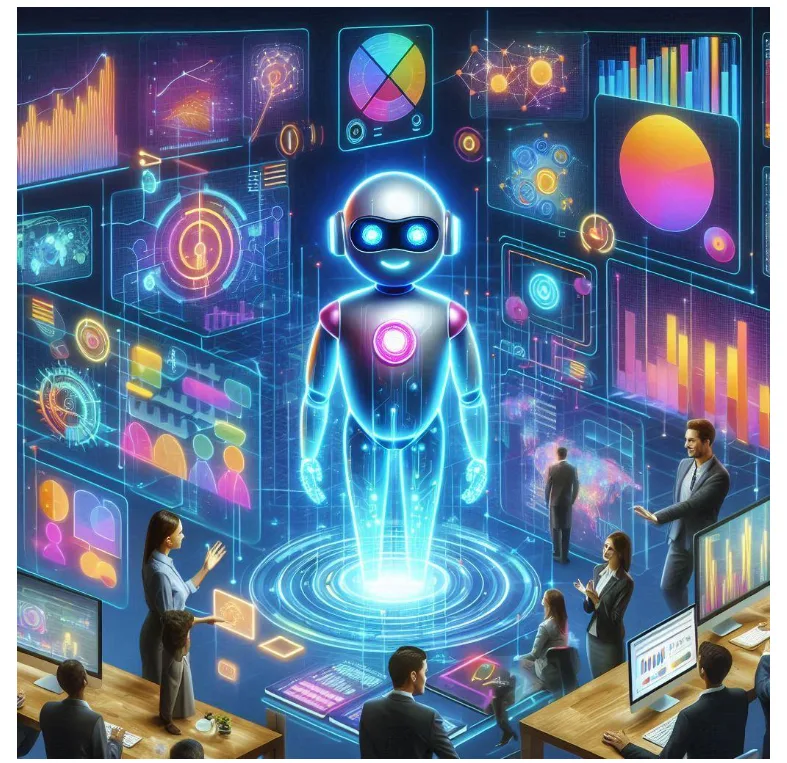
In an increasingly competitive and fast-paced market, businesses must find smarter ways to operate, scale, and innovate. This is where an AI Agent becomes a powerful catalyst for change. By combining automation tools, workflow optimization, and data-driven decision-making, AI Agents can streamline complex processes, reduce manual workloads, and enhance operational accuracy.
More than just a technological upgrade, adopting an AI Agent represents a strategic step toward digital transformation-enabling organizations to improve efficiency, lower operational costs, and create more agile, responsive business operations.
The Strategic Role of AI Agents in Modern Business
The strategic role of an AI Agent in modern business goes far beyond simple task automation; it acts as an intelligent layer that connects systems, analyzes data, and supports decision-making in real time.
By integrating with existing platforms and automation tools, an AI Agent can coordinate workflows, identify inefficiencies, and proactively recommend improvements. This capability allows organizations to move from reactive operations to predictive and optimized processes. As companies pursue digital transformation, the AI Agent becomes a central asset-enhancing agility, strengthening competitiveness, and enabling scalable growth through smarter, data-driven operations.
What core business processes can an AI Agent automate effectively?
An AI Agent can effectively automate a wide range of core business processes, significantly improving operational consistency and speed. In customer service, it can handle inquiries, route tickets, and provide real-time responses, reducing the burden on human teams. In sales and marketing, an AI Agent can qualify leads, segment audiences, trigger personalized campaigns, and manage follow-ups automatically. Within finance and administration, it can process invoices, reconcile data, generate reports, and monitor compliance workflows.
Additionally, in operations and supply chain management, an AI Agent can track inventory, forecast demand, and optimize logistics decisions. By automating these essential processes, businesses gain greater accuracy, faster execution, and the ability to scale without proportionally increasing operational costs.
What core business processes can an AI Agent automate effectively?
Integrating Agents driven by AI with existing automation tools is a critical step in maximizing their impact across business operations. Rather than replacing current systems, an AI Agent enhances them by acting as an intelligent orchestrator that connects platforms, analyzes cross-system data, and makes context-aware decisions. When integrated with CRM systems, ERP platforms, marketing automation software, and project management tools, AI Agents can synchronize information, trigger multi-step workflows, and eliminate data silos. This seamless connectivity not only improves operational visibility but also ensures that automated processes become smarter and more adaptive over time. As a result, organizations can leverage their existing technology investments while unlocking a new level of workflow optimization and strategic efficiency.
Workflow Optimization and Operational Efficiency
Workflow optimization and operational efficiency are central goals for companies seeking sustainable growth, and this is where the concept of an agente AI becomes especially relevant.
By leveraging intelligent automation and real-time data analysis, an AI-driven approach can map processes, identify bottlenecks, and recommend improvements that reduce delays and redundancies. Instead of relying solely on manual oversight, businesses can implement structured workflows that adapt dynamically to demand fluctuations and operational priorities. This not only accelerates task execution but also enhances accuracy and resource allocation.
As organizations document and share insights through an agente AI blog strategy, they reinforce a culture of continuous improvement and digital transformation, aligning operational efficiency with long-term strategic objectives.
How does an AI Agent improve efficiency and reduce operational costs?
An AI Agent improves efficiency and reduces operational costs by automating repetitive tasks, accelerating decision-making, and minimizing human error across key workflows. By handling activities such as data processing, customer inquiries, reporting, and internal coordination, it frees employees to focus on higher-value strategic initiatives. Additionally, an AI Agent analyzes large volumes of data in real time, identifying inefficiencies and recommending process improvements that would be difficult to detect manually.
This proactive optimization reduces waste, shortens cycle times, and enhances resource allocation. As a result, businesses can scale operations, maintain consistent performance, and lower overhead expenses without compromising quality or productivity.
Enhancing Workflow Optimization Through Intelligent Decision-Making
Enhancing workflow optimization through intelligent decision-making requires more than simple rule-based automation; it demands contextual analysis, predictive insights, and continuous learning.
An AI Agent plays a central role in this process by evaluating real-time data, identifying patterns, and recommending actions that align with business objectives. Instead of relying solely on static workflows, organizations can implement adaptive systems that respond dynamically to operational changes, customer behavior, and market conditions.
- This intelligent layer strengthens coordination between departments, reduces inefficiencies, and supports faster, data-driven decisions across the enterprise.
- Implement real-time data monitoring to detect bottlenecks and trigger corrective actions automatically.
- Use predictive analytics to anticipate demand fluctuations and adjust workflows proactively.
- Integrate cross-departmental data sources to enable smarter, unified decision-making.
Driving Digital Transformation with AI Agents.
Driving digital transformation with Agents driven by AI involves rethinking how technology supports strategy, innovation, and long-term growth. Rather than simply digitizing existing processes, AI Agents enable organizations to redesign workflows around intelligence, automation, and real-time insights.
By connecting systems, analyzing large volumes of structured and unstructured data, and continuously learning from interactions, AI Agents help businesses become more agile and responsive to market changes.
This transformation impacts every layer of the organization, from customer experience and operations to finance and strategic planning, creating a more integrated, efficient, and data-driven enterprise prepared to compete in a rapidly evolving digital landscape.
Scaling Operations with Intelligent Automation
Scaling operations with intelligent automation requires a strategic combination of advanced automation tools, structured workflow optimization, and a clear commitment to digital transformation.
By implementing intelligent systems that can manage repetitive tasks, analyze performance data, and adjust processes in real time, organizations can expand their capacity without proportionally increasing costs or complexity.
Automation tools streamline communication between departments, reduce manual intervention, and ensure consistent execution across high-volume operations.
At the same time, workflow optimization refines how tasks move through the organization, eliminating bottlenecks and improving productivity. Together, these elements support a broader digital transformation strategy, enabling businesses to scale sustainably while maintaining agility, quality, and operational control.
Measuring Impact and Continuous Improvement
Measuring impact and fostering continuous improvement are essential steps in ensuring that AI-driven initiatives deliver tangible business value. Organizations must track key performance indicators such as productivity gains, cost reductions, cycle time improvements, and customer satisfaction metrics to assess how effectively Agents driven by AI are supporting operations.
By analyzing these data points consistently, leaders can identify areas that require refinement, adjust automation strategies, and enhance workflow structures. Continuous evaluation transforms AI adoption from a one-time implementation into an evolving system that grows more precise, efficient, and aligned with strategic objectives over time.
Sustainable transformation depends on a mindset of ongoing optimization. As businesses refine processes, integrate smarter automation tools, and strengthen workflow optimization strategies, they build a resilient operational model prepared for long-term growth. Embracing intelligent systems as part of a broader digital transformation journey enables organizations to remain competitive, adaptive, and performance-driven in an increasingly complex business environment.