
How Social Apps Visualize Your Closest Friends: A Complete Guide
Introduction
Social media platforms have evolved far beyond simple messaging and content sharing. Today, many apps use creative visual tools to help users understand their relationships and interactions with friends. These features transform complex social data into easy-to-understand visuals, making it more engaging for users to explore their digital connections.
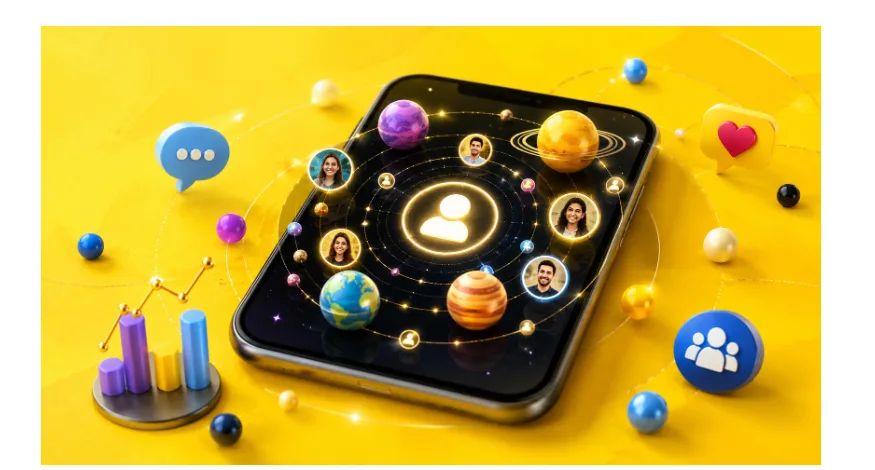
One popular example is the concept of Snapchat planets, which uses a solar system-inspired design to represent friendship rankings. By turning interaction data into visual elements, social media apps create a more personalized and entertaining experience for their users.
In this guide, we’ll explore how social apps visualize your closest friends, why these systems exist, how they work, and what benefits they provide.
What Are Visual Friendship Features?
Visual friendship features are tools that represent social relationships using graphics, symbols, colors, or rankings. Instead of displaying raw numbers and statistics, these features present information in a visually appealing way.
The primary goal is to help users understand the strength of their connections with friends. Whether through badges, icons, charts, or themed systems, these features make social interactions easier to interpret.
Many platforms use visual friendship systems to:
- Highlight close friends
- Encourage engagement
- Increase user retention
- Create a fun and interactive experience
These tools often rely on activity data such as messages, reactions, comments, and shared content.
Why Social Media Platforms Use Friend Ranking Systems
Friend ranking systems serve several purposes for both users and platforms.
Improving User Engagement
When users can see who they interact with the most, they are often encouraged to communicate more frequently. This creates a cycle of engagement that benefits the platform and improves the user experience.
Encouraging Meaningful Interactions
Ranking systems reward consistent communication. Users who regularly exchange messages, share content, and engage with each other often appear higher in friendship rankings.
Personalizing the Experience
Social media platforms collect interaction data to customize content. Friend ranking systems are another way to personalize the user experience by showcasing the relationships that matter most.
Making Social Data Easier to Understand
Millions of interactions occur every day on social platforms. Visual systems simplify this information and make it easier for users to identify their strongest connections.
How Friend Connections Are Measured
Most social media platforms use algorithms to evaluate friendships. These algorithms analyze various forms of engagement to determine relationship strength.
Interaction Frequency
The number of interactions between users plays a major role in friendship rankings.
Examples include:
- Direct messages
- Chat conversations
- Shared photos
- Shared videos
- Story replies
Users who communicate frequently are typically considered closer connections.
Engagement Levels
Social platforms also measure engagement beyond messaging.
This may include:
- Likes
- Reactions
- Comments
- Story views
- Post interactions
Higher engagement often signals a stronger relationship.
Communication Patterns
Algorithms evaluate how consistently users communicate over time. Daily or weekly interactions generally carry more weight than occasional conversations.
A friend who interacts regularly may rank higher than someone who only communicates once in a while, even if they have been connected for years.
Understanding Visual Friend Categories
Many social apps organize friends into different categories based on interaction levels.
These categories help users understand where specific friendships stand within their social network.
Closest Friends
This category includes people with whom users interact most frequently. Communication is typically regular and consistent.
Active Friends
These are users who engage often but may not communicate as frequently as top-ranked friends.
Casual Connections
Casual connections may include people with whom users occasionally interact through likes, comments, or messages.
Changing Rankings
One important thing to remember is that friendship rankings are not permanent. Rankings can change as interaction patterns evolve.
For example:
- Increased messaging can improve rankings.
- Reduced engagement may lower rankings.
- New friendships can quickly rise through active communication.
This dynamic nature keeps the system updated and relevant.
Benefits of Friendship Visualization Features
Visual friendship systems offer several advantages.
Better Understanding of Social Circles
These features provide insight into which relationships are most active. Users can easily identify their closest digital connections without manually tracking interactions.
Increased Engagement
Visual systems motivate users to interact more frequently. Many people enjoy seeing changes in rankings and relationship indicators.
Personalized Recommendations
Platforms can use friendship data to improve content suggestions, friend recommendations, and communication tools.
Entertainment Value
Friendship visualization features add an element of fun to social networking. Creative designs make relationship tracking more enjoyable than viewing plain statistics.
For instance, systems like Snap planets transform friendship rankings into an engaging visual experience that many users find entertaining.
Common Misconceptions About Friend Rankings
There are several myths surrounding friendship ranking systems.
Rankings Are Not Permanent
Many users assume their rankings will stay the same indefinitely. In reality, rankings change based on current interaction patterns.
Popularity Is Not the Main Factor
A common misconception is that friend rankings depend on follower counts or profile popularity.
Most systems focus on direct interactions rather than overall popularity.
Rankings Update Frequently
Algorithms continuously analyze user activity. As communication habits change, rankings adjust accordingly.
This means that someone can move up or down the list depending on recent interactions.
Not Every Interaction Carries Equal Weight
Different actions may have varying levels of importance. For example, direct conversations may influence rankings more than simple reactions.
Privacy and User Control
Privacy remains an important concern when discussing friendship visualization features.
Who Can See Your Friend Rankings?
In many cases, friendship rankings are visible only to the user. Platforms often limit access to protect privacy and prevent misunderstandings.
Privacy Settings and Controls
Most social media apps provide settings that allow users to manage visibility and control how relationship information is displayed.
Common options may include:
- Managing friend lists
- Controlling profile visibility
- Restricting activity sharing
- Customizing privacy preferences
Managing Social Interactions
Users should regularly review their privacy settings to ensure they remain comfortable with how their information is presented.
Understanding available controls helps maintain a safer and more personalized social media experience.
Tips for Maintaining Strong Digital Connections
Building meaningful online relationships requires consistent effort.
Stay Active in Conversations
Regular communication helps strengthen friendships and maintain engagement.
Engage With Friends’ Content
Liking, commenting, and reacting to content demonstrates interest and encourages interaction.
Share Meaningful Experiences
Sending photos, videos, and updates can help maintain strong connections even when friends are physically distant.
Be Authentic
Genuine communication often leads to stronger and more lasting relationships than superficial interactions.
Respect Privacy
Strong friendships are built on trust. Respecting boundaries and privacy preferences is essential for healthy digital relationships.
Interestingly, many users become curious about systems such as Snapchat planets because they provide a visual representation of these relationship dynamics, helping users better understand their social interactions.
The Future of Social Relationship Features
As technology advances, friendship visualization systems are expected to become even more sophisticated.
AI-Powered Insights
Artificial intelligence may help platforms provide deeper insights into relationship patterns and communication habits.
Enhanced Personalization
Future systems could offer more personalized recommendations based on interaction trends and user preferences.
Interactive Visualizations
Developers are continually exploring new ways to present social data. Advanced graphics, animations, and immersive experiences may become more common.
Improved Privacy Controls
As users become increasingly concerned about privacy, platforms will likely introduce more transparent and customizable privacy options.
Conclusion
Visual friendship features have transformed the way users understand their social relationships online. By converting interaction data into engaging visual experiences, social media platforms make it easier to identify close connections and maintain meaningful friendships.
These systems encourage engagement, personalize user experiences, and provide valuable insights into communication patterns. Whether through rankings, badges, or creative themes, friendship visualization tools continue to shape the future of social networking.
As technology evolves, we can expect even more innovative ways for social apps to help users explore and strengthen their digital relationships while maintaining control over their privacy and personal interactions.