
How to Choose the Right Color Temperature for Your Home Lighting: 3000K, 4000K, or 6000K?
Have you ever finished decorating your home but still felt that something was missing?
Even with carefully selected furniture and décor, the space somehow lacks warmth, atmosphere, or that premium feeling you see in professionally designed homes.
In most cases, the problem is not the furniture or interior style — it’s the lighting color temperature.
As a manufacturer specializing in modern lighting for many years, we’ve worked with countless homeowners and interior designers. One common issue we see is that nearly 80% of homes choose the wrong lighting color temperature:
- Some homes use overly cold white lighting, making the space feel like an office.
- Others use excessive warm yellow lighting, creating a dim and outdated atmosphere.
Both can significantly reduce the overall quality and comfort of the interior.
Today, we’ll clearly explain the three most common residential lighting color temperatures — 3000K, 4000K, and 6000K — including where to use them and how to combine them properly for different spaces.
1. Understanding the Three Main Lighting Color Temperatures
Many people focus only on the appearance of light fixtures and ignore the color temperature. However, the lighting atmosphere is largely determined by this single factor.
3000K — Warm White Light
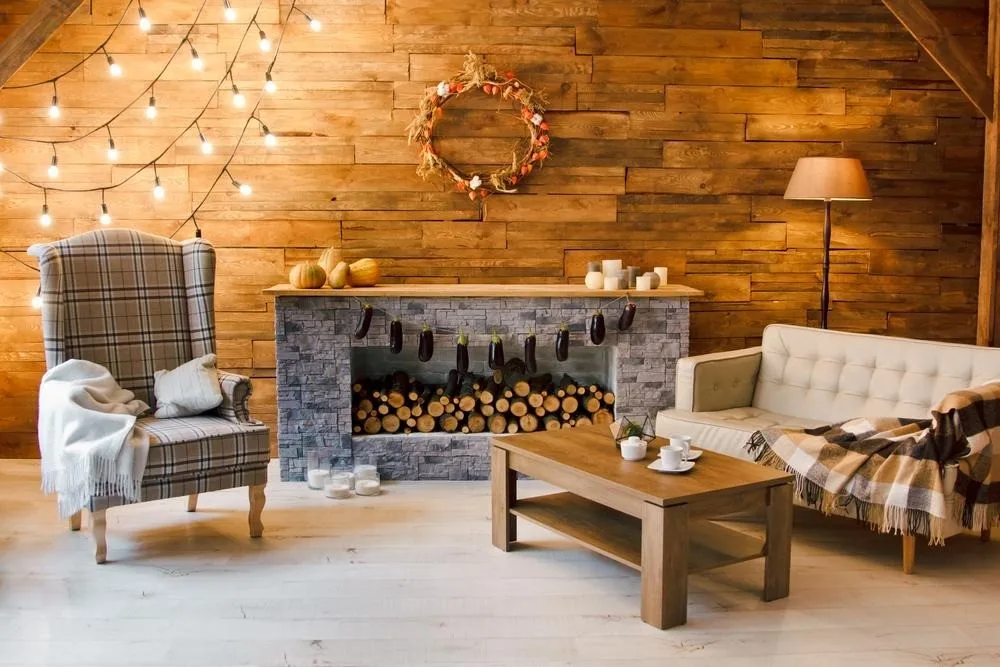
3000K lighting creates a soft, warm, and cozy atmosphere.
The light feels gentle and relaxing, making spaces more comfortable and inviting.
It is ideal for:
- Relaxation
- Resting areas
- Creating ambient mood lighting
However, because the light is softer and warmer, it is not ideal for detailed tasks or spaces requiring strong brightness.
4000K — Neutral Natural Light
4000K is closest to natural daylight.
It is neither too yellow nor too white, creating a clean, bright, and balanced atmosphere.
This is the most versatile color temperature for modern residential interiors and works especially well with:
- Modern minimalist interiors
- Cream-style interiors
- Contemporary homes
- Light luxury interiors
Because of its balanced appearance, 4000K has become the most popular all-around residential lighting choice.
6000K — Cool White Light
6000K lighting appears very bright, cold, and slightly bluish.
Although it may look clean and highly illuminated, it often feels harsh and lacks warmth in residential environments.
This type of lighting is more suitable for:
- Offices
- Shopping malls
- Warehouses
- Corridors
- Industrial or commercial spaces
Using large amounts of 6000K lighting in homes can make interiors feel cold, cheap, and visually tiring.
2. Recommended Color Temperature for Each Space in Your Home
Instead of guessing, here is a practical and easy-to-follow lighting layout solution suitable for most modern homes.
Living Room
Recommended: 4000K Neutral Light
The living room is the main public area of the home for:
- Socializing
- Relaxing
- Daily activities
4000K lighting makes the space feel:
- Bright
- Spacious
- Clean
- Modern
It also reproduces furniture and wall colors more naturally.
For a more premium layered atmosphere, you can combine lighting temperatures:
- Main lights and downlights: 4000K
- LED strips and floor lamps: 3000K
This combination creates depth and warmth while maintaining overall brightness.
Avoid using full-room 6000K lighting in the living room, as it removes the comfortable residential atmosphere completely.
Dining Room
Recommended: 3000K Warm Light
Dining spaces should feel warm and inviting.
3000K lighting enhances:
- Food appearance
- Skin tone
- Dining atmosphere
Whether using modern pendant lights or minimalist dining chandeliers, 3000K is usually the safest and most comfortable choice.
Bedroom
Recommended: Primarily 3000K Warm Light
Bedrooms are designed for:
- Rest
- Relaxation
- Sleep
Warm 3000K lighting creates a calm and comfortable atmosphere without overstimulating the eyes or nervous system.
Recommended fixtures include:
- Ceiling lights
- Bedside wall lights
- Pendant bedside lamps
Avoid using 4000K or higher color temperatures in bedrooms whenever possible, as cooler lighting reduces the cozy residential feeling.
Kitchen & Bathroom
Recommended: 4000K Neutral Light
Kitchens require clear visibility for:
- Food preparation
- Cooking
- Identifying ingredient freshness
Bathrooms also require accurate lighting for:
- Makeup
- Skincare
- Grooming
4000K lighting provides:
- Clear visibility
- Natural color rendering
- Clean visual appearance
6000K lighting is generally not recommended because it can feel overly harsh and uncomfortable during daily use.
Entryway & Hallway
Recommended: 4000K Neutral Light
The entryway creates the first impression of your home.
4000K lighting keeps the space:
- Bright
- Clean
- Welcoming
Using the same neutral tone throughout hallways also helps maintain a unified and modern overall interior appearance.
3. Three Common Mistakes to Avoid When Choosing Lighting Color Temperature
Mistake 1: Using Only One Color Temperature Throughout the Entire Home
- Full-house 3000K may feel overly dim and outdated.
- Full-house 6000K may feel cold and commercial.
A proper balance between warm and neutral lighting creates a much more refined interior atmosphere.
Mistake 2: Mixing Different Color Temperatures in the Same Space
Within the same room, all major light sources should use the same color temperature.
For example:
- Main lights
- Downlights
- Spotlights
should remain consistent.
Mixing warm yellow and cool white light in one room often creates uneven walls and a cheap-looking lighting effect.
Mistake 3: Focusing Only on Fixture Design While Ignoring Light Quality
Many trendy modern lighting fixtures look attractive but suffer from:
- Inaccurate color temperature
- Greenish or bluish light tint
- Poor color rendering
- Flickering
When choosing lighting, appearance alone is not enough.
Pay attention to:
- Accurate color temperature
- High CRI (Color Rendering Index)
- Flicker-free lighting quality
Good lighting quality matters more over long-term daily use.
4. Simple Lighting Formula for Beginners
Relaxation Areas
Bedrooms & Dining Rooms
→ 3000K Warm White
Public & Functional Areas
Living Rooms, Entryways, Kitchens, Bathrooms
→ 4000K Neutral White
Avoid Large Areas of 6000K in Homes
Best reserved for:
- Commercial spaces
- Storage areas
- Industrial environments
In reality, the luxurious atmosphere of a modern home does not come from expensive furniture alone.
Choosing the right lighting color temperature can dramatically improve the comfort, atmosphere, and overall visual quality of your home — even with a simple interior design.
Understanding the lighting needs of each space is one of the easiest ways to create a home that feels warm, modern, and professionally designed.
If you are still unsure how to plan the lighting for your new home, feel free to contact Postmodern Lighting for free lighting layout suggestions.