
Types Of Cross-Border Payments To Explore
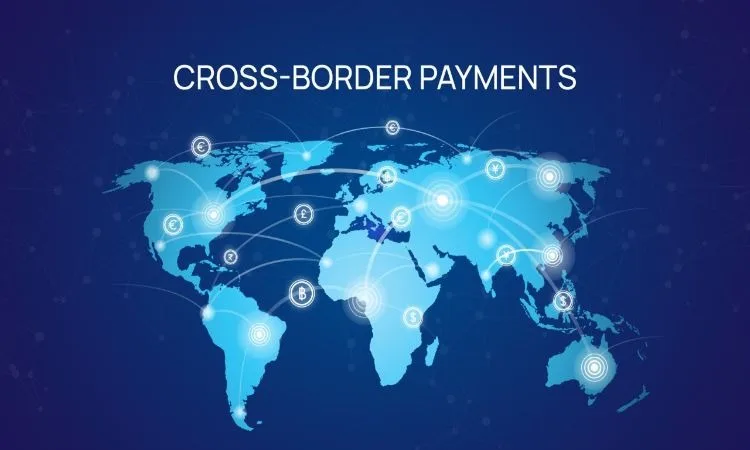
When you start a business that reaches beyond your own borders, the excitement of finding new customers is often followed by the realization that moving money between countries is not as simple as a local bank transfer. For most people, the first time they try to send or receive an international payment, they are surprised by the number of hands the money passes through and the fees that seem to appear out of nowhere. It is a common experience to see a certain amount sent from one side and a much smaller amount arrive on the other, leaving everyone wondering where the missing pieces went. This happens because our global financial system is a collection of local networks that communicate with one another through a series of digital handshakes.
Looking At The Old And New Ways To Move Funds
For decades, the most common way to send money across a border was through a series of connected banks that worked like a relay race. One bank would pass the message to another, which would then pass it to the next, until the money finally reached its destination. This is why a simple transfer can take a week to clear: each bank along the way must verify the details and take its own small fee. The delays were not just about technology; they were about the time it takes for different legal systems to agree that a payment is safe and valid.
Today, the landscape is shifting toward a cross-border payment network that operates much more like a direct bridge rather than a long chain of intermediaries. Organisations like Mesta are used to process these transactions, as it simplifies the process by connecting directly to various local payment rails. This approach is a realistic observation of how technology is catching up with our need for speed, as we no longer want to wait days for a payment that should take minutes. Instead of relying on a dozen banks, these networks use a single digital protocol to settle value almost instantly, saving time and reducing the risk of funds being held in a third-party account.
Understanding The Different Tools For Global Trade
When you dive into the options, you will find that there are several distinct paths you can take depending on whether you are paying a single freelancer or a large group of suppliers. Many businesses are moving away from traditional wire transfers in favor of digital wallets and card-based systems that offer much better transparency. If you use a card network, the exchange rate is often locked in at the moment of the sale, so you do not have to worry about the value of the currency shifting while the money is in transit. A sudden move in the exchange market can turn a profitable deal into a loss if you are not careful about timing.
There is also a lot of talk about blockchain and stablecoins as a way to bypass the banking system entirely by moving digital assets pegged to the value of a fiat currency like the dollar. This method is gaining traction because it operates 24/7, including weekends and holidays when banks are closed. It is simple logic: if the internet never sleeps, our money should not have to wait for a bank branch to open on a Monday morning. While it might sound a bit technical, the user experience is becoming just as easy as sending an email or a text message.
As the world becomes more connected, the barriers to global trade are slowly being replaced by smoother digital pathways. Choosing the right method is about knowing your priorities: whether it is the lowest possible fee or the fastest possible delivery.