
How Property Fencing Trends Are Shaping Construction Standards
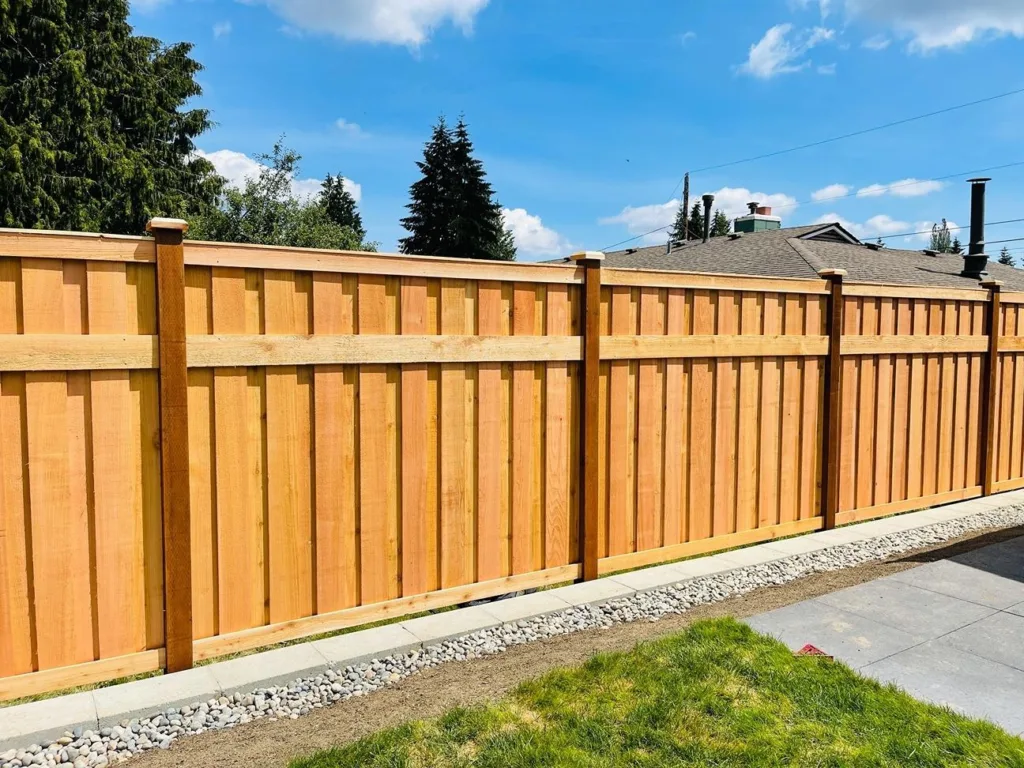
Fencing has come a long way from being just a boundary marker. Today, it plays a significant role in home design, neighborhood aesthetics, and even construction regulations. Modern property fencingtrends are not only changing the way yards and properties look but also influencing how builders plan and execute projects. From material choices to design innovations, fences are now a key factor in construction standards.
The Shift Toward Durable Materials
One of the most noticeable trends in fencing is the preference for materials that last longer and require less maintenance. Homeowners and builders are increasingly choosing options that combine durability with style. Popular choices include:
- Composite and vinyl fencing – These options mimic wood but resist rot, pests, and weather damage. They require minimal upkeep, making them a practical choice.
- Aluminum fencing – Lightweight yet strong, aluminum offers a modern look while maintaining durability.
- Pressure-treated wood – Still popular for its classic appearance, pressure-treated wood lasts longer than untreated wood and is a reliable option for residential fencing.
These choices are shaping construction standards because codes now consider the load-bearing capacity and structural support required for heavier or taller fences. Many fence installation contractors are adjusting their methods to meet these updated standards.
Emphasis on Safety and Security
Fences are no longer purely decorative—they serve an important role in safety and security. New guidelines and community expectations are helping ensure that fences provide protection without compromising visibility. Key developments include:
- Height regulations – Local codes often limit fence height to balance privacy with neighborhood openness.
- Pool barriers – For properties with swimming pools, fences must prevent accidental entry and comply with strict safety standards.
- Visibility requirements – Fences near streets or intersections must allow for clear sightlines to reduce traffic hazards.
Because fencing is increasingly linked to safety, builders and homeowners are working with professional fencing services to ensure installations meet code requirements and protect residents.
Eco-Friendly Fencing Solutions
Sustainability is also influencing fencing trends. Many property owners prefer eco-friendly materials that minimize environmental impact. Common sustainable choices include:
- Recycled materials – Composite fences often incorporate recycled plastics or wood fibers.
- Locally sourced wood – Reduces transportation-related carbon emissions.
- Permeable designs – Fences that allow water and plant growth help maintain healthy landscapes and prevent erosion.
These environmentally conscious options are influencing construction practices, as builders now factor in green building standards when planning fence installations.
Design Integration with Landscaping
Modern fencing is no longer just functional—it’s a design element. Homeowners and architects are increasingly focused on integrating fences with landscaping and home aesthetics. Popular design trends include:
- Horizontal slats – Provide a contemporary look and make small yards feel more spacious.
- Mixed materials – Combining wood, metal, or stone adds texture and visual interest.
- Decorative panels – Patterned or laser-cut panels allow fences to make a statement while maintaining privacy.
Because fences now affect the overall design of a property, construction standards are evolving to consider both aesthetics and functionality.
Technology in Modern Fencing
Technology is also influencing how fences are built and used. Smart features are becoming more common, especially for large properties or commercial applications. Innovations include:
- Automated gates – Remote-controlled or sensor-activated gates offer convenience and enhance security.
- Integrated lighting – Motion-sensor lighting improves safety and highlights architectural features.
- Monitoring systems – Some fences now include cameras or sensors for added security.
Construction standards are adapting to these technologies, with electricians and builders collaborating to ensure wiring, support, and safety measures are properly installed. Working with professional fencing services can help ensure these features are integrated seamlessly.
Influence on Neighborhood Standards
Fencing trends are not just affecting individual properties—they are shaping neighborhood norms. Homeowners’ associations (HOAs) and municipalities are updating their guidelines to encourage consistency, safety, and visual appeal. Some common standards include:
- Uniform height and style – Many neighborhoods prefer fences that match the overall aesthetic.
- Material restrictions – Certain areas restrict industrial-looking fences like chain-link to maintain visual harmony.
- Encouragement of sustainable materials – Some communities recommend eco-friendly fences to reduce environmental impact.
These neighborhood standards make it essential for homeowners and builders to stay updated on both local codes and community rules when planning new fences.
Planning for Modern Construction Projects
Understanding fencing trends is crucial for successful construction projects. Proper planning ensures fences are safe, stylish, and compliant with evolving standards. Key considerations include:
- Checking local regulations – Height, material, and safety requirements vary by location.
- Selecting the right materials – Focus on durability, maintenance, and environmental impact.
- Design integration – Ensure the fence complements landscaping and home architecture.
- Planning for technology – Smart gates or monitoring systems require proper wiring and structural support.
By addressing these factors early, builders can prevent costly mistakes and ensure that fences enhance both functionality and aesthetics.
Conclusion
Fencing has evolved from a simple boundary marker to a critical component of modern construction. Trends in materials, safety, design, sustainability, and technology are influencing how homes and neighborhoods are built. Homeowners and construction professionals alike benefit from staying informed about these trends. Properly planned fences not only provide security and privacy but also improve the overall look and value of a property.
As fencing continues to shape construction standards, keeping up with modern trends ensures that properties remain safe, stylish, and compliant with evolving codes. Working with knowledgeable property fencing experts helps homeowners and builders navigate these changes effectively and create spaces that stand the test of time.