
Why Hospitals, Clinics, and Diagnostic Labs Cannot Afford to Compromise on Water Purity
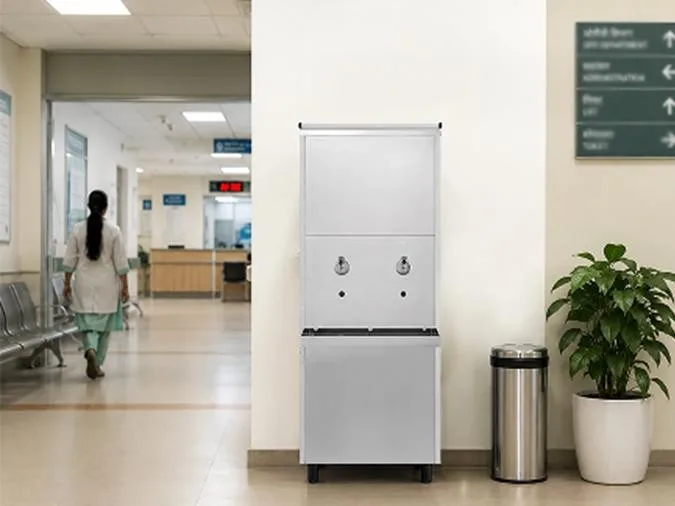
In healthcare environments, attention is usually centred around patient care, sanitation practices, and effective treatment. Yet one critical element quietly supports these day-to-day medical operations: water. From cleaning medical equipment and washing hands before procedures to providing safe drinking water for patients, water is used extensively throughout the day.
Because of its importance, medical institutions cannot afford to overlook water quality. To help ensure access to safe and clean drinking water, many multi-speciality hospitals install centralised RO plants.
Why Water Quality Matters in Healthcare?
Water is used extensively throughout the day in healthcare facilities. Other than drinking, water is used for sterilising equipment, cleaning patient wards or operating theatres, cooking meals, and laundry. Since water comes into contact with patients and medical equipment, maintaining water quality becomes extremely critical. Any contamination in the water supply can disrupt daily operations, compromise hygiene standards, and pose a health risk for patients.
Why Healthcare Facilities Cannot Compromise on Water Purity?
In healthcare institutions, water quality is connected to multiple touchpoints on a large scale, including hygiene, patient safety, and laboratory accuracy, all of which are essential for the smooth functioning of these medical institutions. Even minor contamination can create serious health hazards.
Below are common contaminants found in water supplies, along with the risks they may pose to healthcare institutions and health concerns for patients.
- Bacteria
Bacterial contamination like E.coli, Salmonella can contaminate drinking water outlets, kitchens, and immunocompromised wards (neonatal wards and dialysis centres), leading to gastroenteritis, diarrhoea, vomiting, abdominal pain, fever and dehydration in patients.
- Virus
Viruses like rotavirus and enterovirus can pose a major risk to hospitals by increasing the chances of outbreaks, which may require stricter infection control measures as viruses spread quickly. These viruses can cause viral gastroenteritis, intestinal inflammation, vomiting, dehydration and major health complications in infants or elderly patients.
- Heavy Metals
Heavy metals, such as arsenic and mercury, can affect the medical equipment, dialysis procedure, and laboratory activities. Their long-term exposure may cause neurological disorders, kidney damage, cardiovascular issues, and cognitive impairment in patients such as pregnant women and children.
- Biofilm buildup in pipelines and storage tanks
Biofilm is a layer of bacteria, microbes or fungi that stick to wet surfaces and form a protective coating over time. It can affect the dental and surgical units and may continue to persist in the water supply as it acts as a protective layer for microorganisms, allowing bacteria to grow. This can increase the pathogens that may lead to hospital-acquired infections or respiratory infections.
- Sediment or rust particles from the ageing pipeline
Sediment accumulation can clog filters, reduce equipment efficiency, damage sterilisation units, and create a suitable breeding ground for microbial growth. It may indirectly increase the risk of gastrointestinal irritation and digestive illnesses in patients.
- Hard water
Hard water is water that contains excessive amounts of dissolved minerals like calcium and magnesium. It can damage autoclaves, leave residues on medical equipment, affect daily operations, and increase hospital maintenance costs. Excessive scaling can reduce disinfection processes and make patients vulnerable to pathogens like bacteria and viruses.
Measures That Medical Institutions Can Take to Maintain Water Purity
Since healthcare infrastructure is considered a systemically important industry in India, healthcare institutions need to ensure that safety and cleanliness standards are maintained. This also includes providing clean and pure water to everyone in the facility. For this, several measures can be taken:
- Conduct regular water testing
Water quality should be tested at regular intervals to identify invisible contaminants before they become a major issue. This will also give an idea about the level of filtration required.
- Proper inspection of plumbing infrastructure
Ageing pipes, leakage and corrosion should be monitored and repaired to prevent the spread of water impurities within the healthcare facility.
- Install a suitable water purification system
A water purification system helps clean water by removing harmful contaminants, impurities and microorganisms through multiple filtration processes, making it safer for daily use. It plays a major role in healthcare institutions in providing clean water for drinking, sterilisation, laboratory work, and medical procedures, supporting overall patient well-being.
However, choosing a water purification system depends on several factors, one of which is daily water consumption. This makes it important to assess the facility’s daily water requirements before selecting a system.
For instance, a small clinic will have low to moderate water use, in which installing a water cooler with an in-built purifier may be sufficient.
On the other hand, bigger hospitals that span across acres may need a centralised RO water plant to meet their daily water demand.
It should also be noted that RO plant prices and water cooler prices vary with capacity, existing water quality, and water filter technology used.
- Mandatory staff training on water hygiene practices
Staff awareness regarding water storage hygiene and safe water handling practices is important to ensure the overall cleanliness of the institution is not compromised.
- Routine servicing and maintenance of purification systems
Periodic servicing and maintenance of water coolers and RO plants is necessary to ensure delivery of safer, cooler water to all.
Conclusion
Water purity is critical in healthcare facilities, as they operate in a highly demanding environment, making access to clean and safe water essential. Even minor contamination can escalate into a serious infection risk.
Implementing the preventive measures suggested above can help ensure the availability of clean and pure water. This will contribute to a cleaner environment, smoother hospital operations, and greater confidence among patients, their families, and healthcare staff.