
Treating Inflammatory Acne with Probiotic Supplements while Monitoring Internal Parameters and Gut Health with At-Home Diagnostics
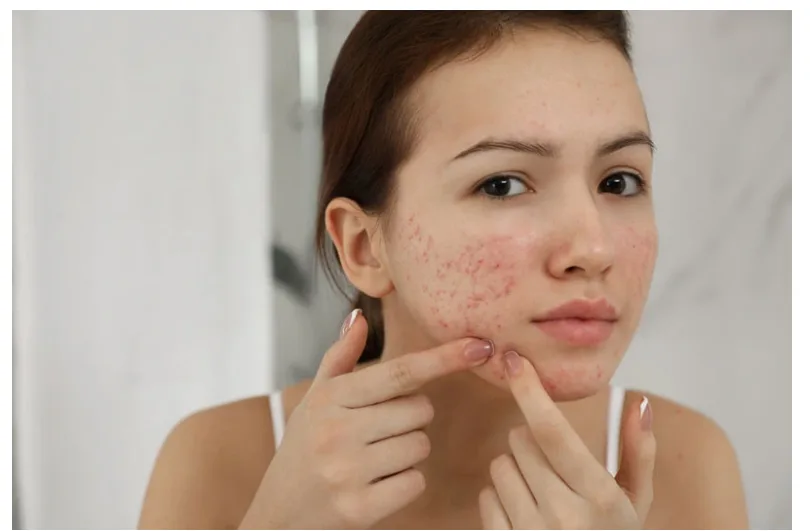
Acne vulgaris is a common skin condition that affects millions of Americans each year. While many people grapple with skin issues, including adult acne, inflammatory acne can greatly impact teenagers.
In recent years, a growing body of research shows that oral probiotic supplements and topical probiotics can be powerful allies in the fight for clear skin for patients with acne. Dr. Barbara Paldus, founder and CEO of Codex Labs, which recently launched Decode.Me, a new integrative teledermatology platform, explains the connection between gut health and skin health.
“The skin-gut-brain-microbiome axes are interrelated, and next-generation solutions for skin conditions such as acne will require integration of topicals with supplements, diet, lifestyle, and mental health to achieve optimum relief,” she was quoted as saying in Dermatology Times. At first, this may sound like “New Age” advice, but it is actually a scientific fact that has been made verifiable by the advent of genetic sequencing and decades of research starting in the 1800s with Nobel Prize winner Eli Metchnikoff.
Why gut microbiota and skin barrier function matter in acne treatment
The gut-skin-biome axis is at the heart of the oral and topical probiotics approach for acne, as the internal gut microbiome influences the body’s inflammation levels and overall skin health. “A lack of balance (called dysbiosis) of the gut and skin microbiome is a potential root cause of acne and can often happen simultaneously,” says Dr. Paldus.
According to Dr. Paldus, Gut dysbiosis can lead to a compromised intestinal barrier, widespread systemic inflammation, and a compromised skin barrier. In addition, a lack of balance in the gut microbiome can amplify hormonal imbalances that further exacerbate skin issues like acne by overproducing sebum (skin oil). When coupled with a disruption in shedding dead skin cells, pores can become clogged, filled with sebum, and colonized by C. acnes bacteria that drive further inflammation in an unchecked feedback loop, creating acne lesions.
Effects of probiotics in helping with the treatment of acne and healthy skin
Probiotics are beneficial bacteria that can help restore balance to the internal gut microbiome in patients with acne. Companies such as Codex Labs that offer science-backed, clinically tested probiotic supplements have multifaceted formulas targeting several areas, seeking to improve acne from the inside out.
As Dr. Paldus explains, probiotics can help reduce inflammation, rebalance the body’s immune response, and curb chronic inflammation that can lead to ongoing acne breakouts. Specific probiotics can help modulate hormone levels, particularly those that increase sebum (skin oil) production.
Probiotics can also enhance the integrity of the gut barrier, the primary function of which is to prevent intestinal microbes, viruses, toxins, and food antigens from entering our bloodstream. Weakened gut barriers can lead to systemic inflammation through a process known as “translocation.” Similarly, the introduction of topical probiotics or biome reset gels can rebalance the skin microbiome, thereby reducing inflammation and the formation of acne lesions.
Dr. Paldus and her team at Codex Labs spearheaded a pivotal independent clinical study examining the impact of their patented Shaant ClearSkin Probiotic in individuals with non-cystic acne. Through a blend of nine probiotic strains, plus bioactive botanicals such as guggul and green tea extract, the team observed a 58% reduction in inflammatory lesions, a 49% decrease in non-inflammatory lesions, an improvement in gut barrier health through a 51% increase in butyric acid production, and increases in beneficial gut bacteria, as well as a reduction in hormone-driven oiliness.
“Probiotics help not only rebalance your microbiome, but most importantly, improve the gut barrier integrity and gut immunity. In addition, the green tea extracts boost immunity, while the guggul helps support lipid metabolism, helping reduce cholesterol to balance hormones,” Dr. Paldus explains.
Decode.Me: integrative dermatology, targeted diagnostic testing, and probiotic therapy to reduce acne and improve skin
With Decode.Me, Dr. Paldus and her team are bringing integrative dermatology to a wider audience through at-home diagnostic testing, AI-supported analytics, and a comprehensive telehealth platform. The goal is to go beyond traditional teledermatology by offering an integrative approach, complete with targeted testing and complementary therapies that treat skin conditions holistically.
Codex Labs understands that for many teens, acne is simply a part of growing up. The rising hormone levels that come with puberty bring androgens such as testosterone, causing oil glands in the skin to kick into overdrive. Those clogged pores can set the stage for breakouts.
Through Decode.Me, those who suffer from acne or other skin conditions can access at-home diagnostic testing to target the underlying causes of their acne, so that the best possible treatment can be suggested.
Tests such as the HS-CRP test, which measures the C-reactive protein (CRP), a marker of inflammation in the body, can provide insight into the connection between the gut biome and inflammation. Other tests, such as the hormone test and the gut biome test, also pinpoint the gut microbiome and gut barrier as sources of inflammatory skin issues. Because acne is not a one-size-fits-all condition and can develop based on a variety of factors, effective treatment can depend on targeted testing. Doctors may check hormone levels or the gut microbiome to determine the source of inflammation.
Probiotics present a different, potentially gentler approach to rebalancing the gut microbiome and bringing relief for those with inflammatory acne. Although they may be slower to act than pharmacological interventions, probiotics can be a vital component of a comprehensive, holistic treatment approach. Because probiotics can help reduce inflammation, they can also work to lessen reliance on antibiotics, oral contraceptives for acne, or prescription medications such as Accutane.
Online acne therapy and finding the root cause of skin inflammation through at-home diagnostic testing
Through Decode.Me, teens and their parents can discuss the various sources of acne and different treatments available to them in a secure, private online environment. Trained providers can help teens and their guardians understand at-home test results and recommend the best course of action to reduce inflammation and eliminate the skin condition altogether. In addition, Decode.Me allows medical professionals to monitor patient progress, so if a shift in treatment needs to be made, it can be done quickly and efficiently.
Through at-home diagnostic testing and a more holistic approach to decreasing inflammation and finding the root causes of acne, Codex Labs and the Decode.Me platform is making inflammatory acne less of a given for teens, and more of a completely treatable condition that teens no longer have to simply endure.