
How To Maintain Cold Chain Integrity During Transport?
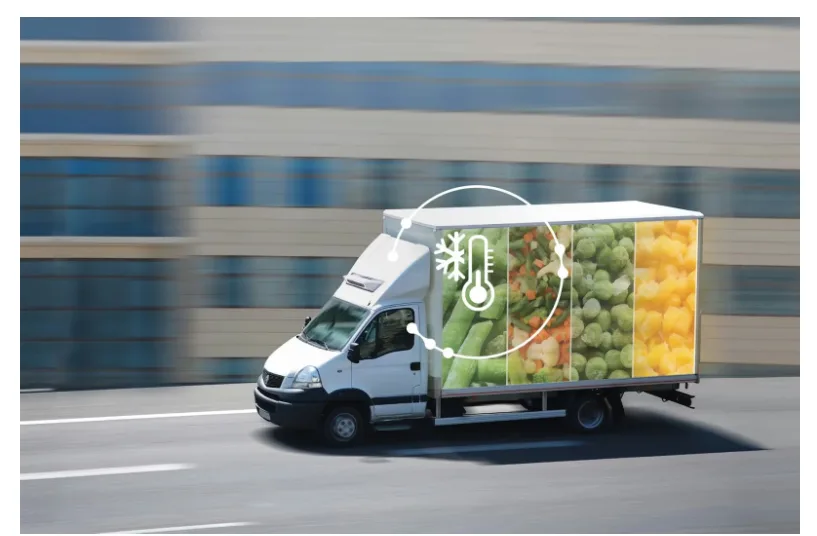
Transporters across industries face a lot of challenges, especially when dealing with cold products. One of the primary concerns is to maintain a consistent temperature for the cold products. This is because temperature variations are expensive and can harm consumers if not handled properly. Transporters also face challenges during loading, unloading, and transitions between transportation, which can increase the risk to freight.
In this blog post, we will discuss how you can maintain cold chain integrity during transport through a step-by-step guide.
Let’s start.
What is Cold Chain Logistics?
Cold chain logistics is a temperature-sensitive process that ensures products remain within a specific temperature range throughout the entire delivery cycle. It mainly includes refrigerated storage, transportation, and specialized packaging designed to maintain product integrity.
This type of transportation plays a crucial role in preserving the quality of perishable and sensitive items such as fresh food, pharmaceuticals, and chemicals. It also helps businesses comply with strict regulatory standards while ensuring that products reach their destination in safe and usable condition.
What Challenges Can Occur During Transport?
Many challenges can arise in maintaining cold chain integrity during transport. Some of the challenges are mentioned below:
- Human Error
- Security and Theft
- Regulatory & ATP Compliance Requirements
- Communication Breakdown
- Equipment Failures
- Packaging Challenges, and much more.
In order to successfully delivering product, a holistic approach, integration of advanced technology, communication, and training.
Now that you know what challenges can occur, let’s discuss how you can ensure a successful cold chain integrity.
Steps to Cold Chain Integrity
Transporters must follow these strategic steps to ensure a seamless delivery of temperature-sensitive products. By following these steps, they can enhance their capabilities that will guarantee that the product will be delivered in good condition.
Here are the following steps that they must follow:
Step 1 → Implement Cold Chain Training Programs
Step one starts with training programs. Knowledge is the key to effective cold chain management. It is a must for shipping carriers to invest in training programs for their transporters, covering topics such as temperature control, emergency protocols, and procedures. Well-trained staff can handle and address challenges perfectly in the transportation process.
Step 2 → Adopt Modern Technology
Just as the times change, technology does too. The transporters should adopt modern technology that monitors cold product integrity throughout the cold chain. They should conduct a routine check of the refrigeration units in cold-chain containers.
If the technology indicates something critical, they should check for signs of wear, malfunction, damage, or any hazards to the cold products.
Along with monitoring systems, using the right temperature-control solutions is equally important. Eutectic plates help maintain a stable temperature for longer durations, insulation materials reduce heat exchange, and ATP compliance ensures that the containers meet required standards for transporting perishable goods.
Eutectic plates, insulation, ATP compliance: key strategies to ensure temperature control using a cold chain shipping container for food, health, and logistics.
Step 3 → Establish SOPs
Transporters have defined their SOPs as they are the backbone of successful cold chain integrity. They have to develop proper strategies and procedures for loading, transporating and unloading cold products. It also includes steps for controlling temperature variations and for reviewing or updating SOPs regularly. Choose the SOPs that align best with the industry practices.
Step 4 → Collaborate with Stakeholders
Cold chain efficiency is not a one-man job; it requires strong coordination between all stakeholders involved. From manufacturers and packaging providers to logistics partners and retailers, everyone should stay aligned on temperature requirements and handling procedures.
Clear communication helps avoid delays, mishandling, and temperature deviations that can damage sensitive products. Sharing real-time data and updates allows quick decision-making when issues arise during transit. Regular training sessions and meetings also help teams stay updated with best practices and compliance standards.
When every stakeholder understands their role and works together, it creates a more reliable and efficient cold chain system that protects product quality from start to end.
Step 5 → Invest in Regeneration Systems
To maintain consistent temperature control, investing in regeneration systems is a smart move for cold chain operations. These systems help recharge eutectic plates, gel packs, and other cooling elements so they can be reused efficiently. Instead of relying on one-time cooling solutions, regeneration systems ensure that temperature-control materials are always ready for the next shipment.
This not only improves operational efficiency but also reduces long-term costs and material waste. Properly regenerated cooling components perform better and maintain the required temperature for longer durations. By integrating regeneration systems into the process, businesses can ensure a more sustainable, reliable, and cost-effective cold chain without compromising product safety.
Step 6 → Continuous Improvement Initiatives
Cold chain management is not a one-time setup; it requires continuous improvement to stay effective. Businesses should regularly review their processes, identify weak points, and implement changes to improve performance. Analyzing temperature data, delivery timelines, and product conditions helps in understanding where improvements are needed. Feedback from customers and logistics teams also plays a key role in refining operations.
Adopting new technologies, upgrading packaging materials, and staying updated with industry standards can further enhance efficiency. Continuous improvement ensures that the cold chain remains reliable even as demand, regulations, and environmental conditions change. This proactive approach helps businesses maintain product quality and build long-term trust with customers.
Final Words
Maintaining cold chain integrity during transport is not just about using refrigerated containers; it’s about building a complete system that works efficiently at every stage. From proper training and advanced technology to strong SOPs and stakeholder collaboration, each step plays a crucial role in ensuring temperature-sensitive products remain safe and effective.
By integrating appropriate temperature-control solutions, such as eutectic plates and insulation, and adhering to compliance standards, transporters can significantly reduce the risks associated with temperature fluctuations. Investing in regeneration systems and continuously improving processes further strengthens the entire cold chain.
When all these elements come together, businesses can ensure product quality, meet regulatory requirements, and deliver a reliable experience to customers across the food, healthcare, and logistics industries.