
How Junk Car Buyers Handle Pickup, Pricing, and Payment
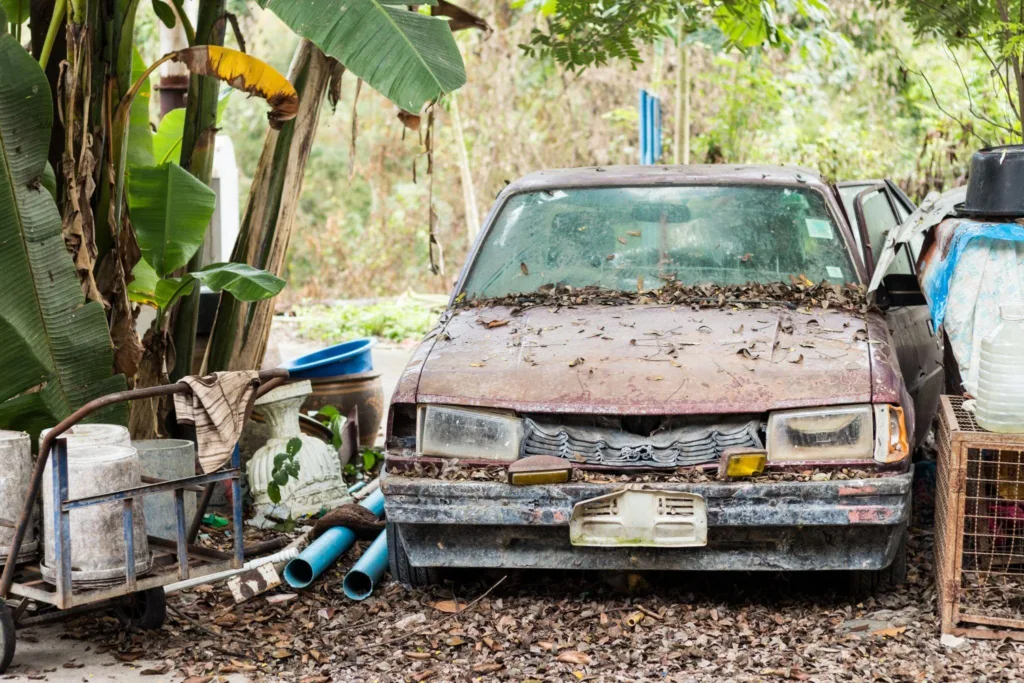
Getting rid of an old vehicle can feel more complicated than expected, especially when it no longer runs, has serious damage, or has been sitting unused for a long time. You may wonder what happens after you contact a buyer, how the price is set, and when payment actually happens. Once you understand how junk car buyers handle each step, the process becomes easier to follow and much less stressful.
What Happens After You Contact A Junk Car Buyer
The process usually begins when you share a few key details about your vehicle. A junk car buyer will often ask for the year, make, model, mileage, condition, title status, and whether the car starts or moves. You may also be asked about accident history, visible damage, missing parts, or changes made to the vehicle. This gives the buyer enough information to decide whether the car has value as scrap, salvage, or reusable parts.
If you plan to sell your junk car for cash to Family Car Buyers, you will likely find this stage more direct than managing a private sale on your own. Instead of dealing with multiple inquiries and uncertain negotiations, you are usually guided into the next steps, which often include confirming documents, scheduling pickup, and preparing for payment.
How Buyers Arrange Vehicle Pickup
Pickup is one of the first practical steps a buyer handles after the offer is accepted. Most junk car buyers either use their own towing equipment or work with local tow partners to collect vehicles that are no longer roadworthy. They usually set a pickup window based on your location, the condition of the car, and their service schedule. In some cases, pickup can happen quickly, while in others it depends on distance and availability.
To keep the process moving smoothly, buyers usually ask you to make the vehicle accessible before the tow truck arrives. That can include removing personal belongings, gathering the title, and confirming whether the keys are available. If the car is blocked in, missing wheels, or parked in a difficult spot, the buyer may need extra time or different equipment, which is why clear details upfront help prevent delays.
How Buyers Calculate Junk Car Pricing
Junk car pricing is based on a practical review of what the vehicle is worth after pickup and processing. Buyers often look at the weight of the car, current scrap metal values, demand for usable parts, and the condition of major components such as the engine, transmission, body, and catalytic converter. Even if the vehicle no longer runs, it may still hold value if some parts can be recovered and sold.
Buyers also consider factors beyond the car itself. Your location can affect towing costs, while local demand can influence what parts or materials are worth in your area. Title problems may lower the offer because they create more risk and more work during the transaction. In simple terms, the buyer is pricing the vehicle based on what can realistically be recovered after transportation, labor, and resale are taken into account.
Why Buyers Sometimes Adjust The Offer
An initial quote is usually based on the information you provide at the start, which means the offer may change if the vehicle turns out to be different from what was described. If major parts are missing, the damage is more severe than expected, or the vehicle cannot be loaded safely, the buyer may need to revise the price. This is why honest and accurate details matter early in the process.
A professional buyer should explain any change clearly and tie it to a specific issue with the vehicle. Common reasons include title problems, missing catalytic converters, flood damage, frame damage, or access issues that complicate towing. When buyers are transparent about these factors, the process feels more predictable and fair, and you are less likely to face confusion at pickup.
How Buyers Handle Payment At Pickup
Payment is usually handled when the vehicle is picked up, which is one reason this process often feels simpler than a private sale. Depending on the company and local rules, buyers may pay in cash, by company check, certified check, or electronic transfer. The payment method often depends on state regulations, company policy, and the final amount of the sale. A legitimate buyer should explain this before pickup is confirmed.
Before the vehicle is removed, the buyer will usually ask you to complete the required paperwork, which may include signing over the title and showing identification. In some cases, you may also receive a bill of sale for your records. This step closes the transaction and confirms that both the vehicle and payment have been properly exchanged, helping protect both sides of the sale.
How Buyers Complete The Final Handoff
The final handoff usually goes smoothly when the buyer and seller are both prepared. Before the tow truck arrives, you should remove personal items from the glove box, trunk, center console, and under the seats. Buyers also expect the vehicle to be ready for transfer, which means having documents available and making sure nothing important is left inside. Taking a few photos before pickup can also give you a simple record of the vehicle’s condition at handoff, especially if you want a better way to sell your junk car with fewer last-minute issues.
Once the vehicle is removed, the buyer’s role in the transaction is mostly complete, but you may still need to take a few final steps on your side. Depending on local rules, you may need to notify your motor vehicle agency or insurance provider that the car has been sold. When buyers handle pickup, pricing, and payment in a clear and organized way, the sale becomes much easier to understand and complete.