
High Level Disinfection: What It Is and Where It Belongs
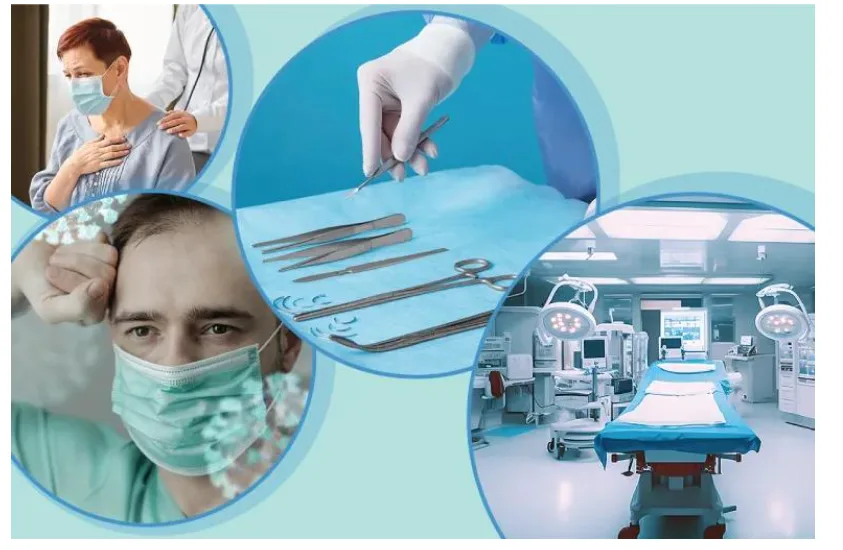
High level disinfection is a process that destroys all microorganisms except large numbers of spores. The chemicals that reach this result need 12 to 90 minutes of contact time, depending on the formula. The framework behind it explains why some tools demand this level and others get by with far less.
What Is High Level Disinfection?
High-level disinfection sits one step below sterilization on the Spaulding classification, the system hospitals use to match a cleaning method to each device’s infection risk. The Spaulding system sorts every reusable instrument into three groups, and semi-critical items, the ones that touch mucous membranes but never sterile tissue, are the group that lands here. This is why a flexible endoscope gets handled very differently from a scalpel.
This sorting matters because the wrong call carries real consequences. Investigations of healthcare-associated infections have tied poorly reprocessed scopes to outbreaks that reached dozens of patients at once. The classification is a patient-safety control, not a paperwork exercise.
What Does a High Level Disinfectant Kill?
A high-level disinfectant wipes out bacteria, viruses, fungi, and the tough cells of Mycobacterium tuberculosis. The real test is tuberculocidal action. The waxy coat on tuberculosis bacteria shrugs off chemicals that handle ordinary germs with ease, so a product that clears that bar clears almost everything beneath it. Bacterial spores are the one group it does not fully remove, and that single gap is the line between disinfection and sterilization.
Where Are High Level Disinfectants Used?
High-level disinfectants do their work in the places where one missed pathogen becomes an infection. The settings that lean on them share a single trait: the instruments there touch patients in vulnerable spots.
- Operating theatres handle tools that enter the body, so reprocessing leaves no room for survivors.
- Intensive care units treat patients whose weakened defenses turn a minor contaminant into a serious infection.
- Endoscopy suites reprocess flexible scopes between patients, the single most common reason this level of care exists.
- Dental clinics clean handpieces and probes that meet saliva, blood, and mucosa all day long.
This is the ground Detrox builds for. Its Detroscopy line covers endoscope washing and disinfection systems, the exact equipment a busy unit needs to turn scopes around between cases without cutting the soak time short.
High Level Disinfection vs Sterilization
High-level disinfection and sterilization chase different finish lines. Sterilization removes every form of microbial life, spores included, and a steam autoclave reaches 121°C to get there. That temperature destroys the fiber optics and seals inside a flexible scope. Heat-sensitive tools need a chemical route, and that route is exactly the method described here.
How Long Does High Level Disinfection Take?
High-level disinfection runs on a clock, and the chemical sets the clock. Ortho-phthalaldehyde, known as OPA at 0.55 percent, clears a semi-critical device in about 12 minutes at room temperature. Glutaraldehyde at 2 percent can demand 20 to 90 minutes for the same outcome. The lesson sits in that gap. Trimming contact time to fit a packed schedule is the most common way disinfection quietly fails, because a scope pulled early looks clean and is not.
High Level Disinfectants for Endoscopes and Surgical Instruments
High-level disinfectants prove their worth most clearly on flexible endoscopes. A single colonoscope carries narrow internal channels that trap tissue and fluid. It cannot be wiped clean. It has to soak in an active chemical that reaches every lumen. Detrox answers this through its Detromed range of instrument and endoscope cleaners and disinfectants, products built for the channels a cloth never touches.
How to Choose a High Level Disinfectant
Choosing a high level disinfectant comes down to three things: the chemical, the contact time your workflow allows, and the materials it must not harm. OPA earns loyalty for its short cycle and broad kill. It also stains proteins and skin a dull grey, a plain reminder of how reactive it is. The right pick is the one your staff can run correctly every single time, because a flawless chemical used wrong protects no one.