
Darren Herft on Why Artist Protection Will Shape the Future of AI Music
Introduction
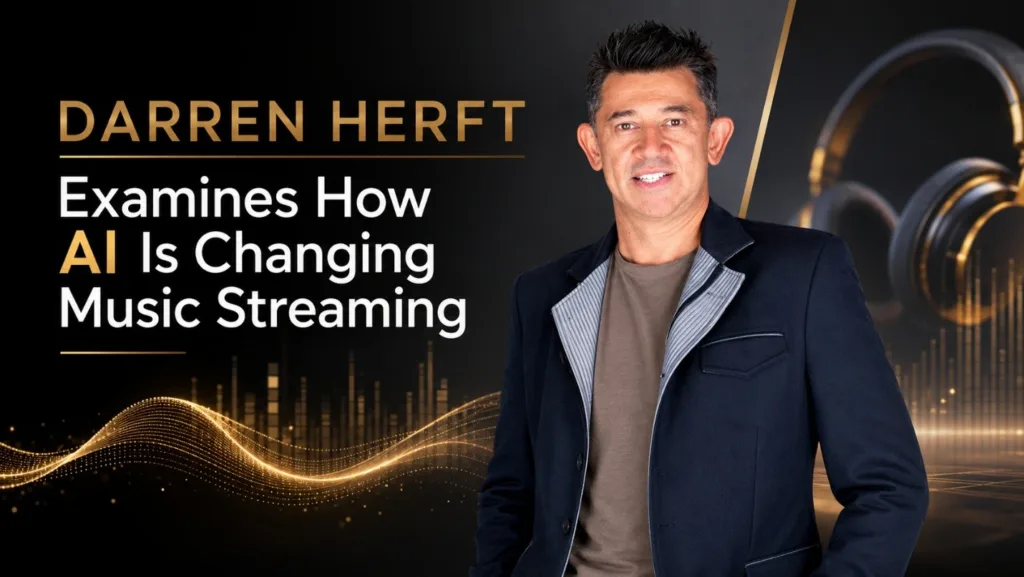
Artificial intelligence is becoming a larger part of the music industry, but Darren Herft believes the most important conversation is not about the technology itself. It is about the artists.
As AI-generated music becomes more common, Herft argues that the industry’s priority should be ensuring that genuine artists continue to receive recognition, ownership, and fair opportunities to earn from their work. In his view, the long-term success of AI in music will not be measured by how many songs machines can generate. It will be measured by how effectively the industry continues to support the people who create music.
“The number one aspect that we all want to see protected is that genuine creative music artists are not compromised,” Herft says.
The Industry Is Entering New Territory
The growth of AI music has created new questions for artists, streaming platforms, record labels, and policymakers.
Platforms are already receiving large volumes of AI-generated content, while governments and industry groups around the world are beginning to develop new rules around AI-generated works and copyright protections.
According to Herft, these developments signal that AI is becoming a permanent part of the music landscape. The challenge now is determining how the industry adapts while continuing to protect creative talent.
The discussion is no longer about whether AI will influence music. It is about establishing the standards that will govern its use.
Why Artists Remain at the Center of Music
While technology continues to evolve, Herft believes the value of music still comes from the people behind it.
Listeners connect with artists because of their stories, experiences, and creative perspectives. Technology may assist the creative process, but it does not replace the human element that audiences respond to.
This is why authenticity has become such an important topic within the industry. As AI-generated content becomes more sophisticated, artists, platforms, and listeners all have an interest in understanding how music is created and who should receive credit for it.
For Herft, protecting artists is not about resisting innovation. It is about ensuring that innovation strengthens the people who make music possible.
Copyright and Ownership Are Becoming More Important
One of the most significant challenges surrounding AI music involves ownership.
As AI tools become more widely used, questions continue to emerge about copyright, authorship, and what level of human involvement should be required for creative works to receive legal protection.
Herft points to the growing focus on meaningful human contribution as an important development. The objective is not to prevent artists from using AI tools. Rather, it is to ensure that artists who contribute creativity, judgment, and direction remain recognised for their work.
The music industry has always rewarded creativity. As AI becomes more common, maintaining that principle will become increasingly important.
Looking Beyond the Biggest Names
Herft also believes the conversation should extend beyond the industry’s most successful artists.
Each year, only a relatively small number of performers dominate charts and streaming numbers, while millions of musicians continue creating, recording, and releasing music outside the spotlight.
This broader creative community plays an essential role in the music ecosystem.
“We need to make sure that we are looking after and protecting these wonderfully creative people that make the amazing music we’ve all come accustomed to,” Herft says.
He believes AI should be evaluated not only by its technological capabilities but also by whether it helps artists build sustainable careers. New tools may lower production costs, improve workflow, assist with rights management, and create opportunities that were previously unavailable to independent creators.
Used responsibly, AI has the potential to support artists rather than compete with them.
Building a Stronger Future for Music
The future of AI music will depend on balance.
The industry must continue encouraging innovation while creating systems that protect ownership, reward creativity, and provide transparency for artists and audiences alike.
Herft believes these goals are compatible. Technology and creativity do not need to be opposing forces. The strongest outcomes will come from frameworks that allow both to thrive together.
As AI tools continue to evolve, the focus should remain on the people whose work gives music its meaning.
Conclusion
Darren Herft believes the future of AI music should be judged by a simple standard: does it help protect and support artists?
New technology will continue to change how music is created, distributed, and discovered. But the industry’s success will ultimately depend on whether musicians continue to receive recognition for their creativity and opportunities to build lasting careers.
For Herft, protecting artists is not a side issue in the AI debate. It is the foundation of a healthy and sustainable future for music.