
Commercial Rooftop Unit Lifespan: When to Repair, Rebuild, or Replace
Because of the great number of RTUs used, it is possible to have a comfortable atmosphere inside the building in relation to working, shopping, storage, and other non-domestic activities. They work for long periods of time in extreme weather conditions; hence, at some point in time they will need repairing, reconstruction, or even replacement.
Knowing your commercial rooftop unit lifespan and when to retire it will help you reduce downtime and get more benefit from the HVAC system.
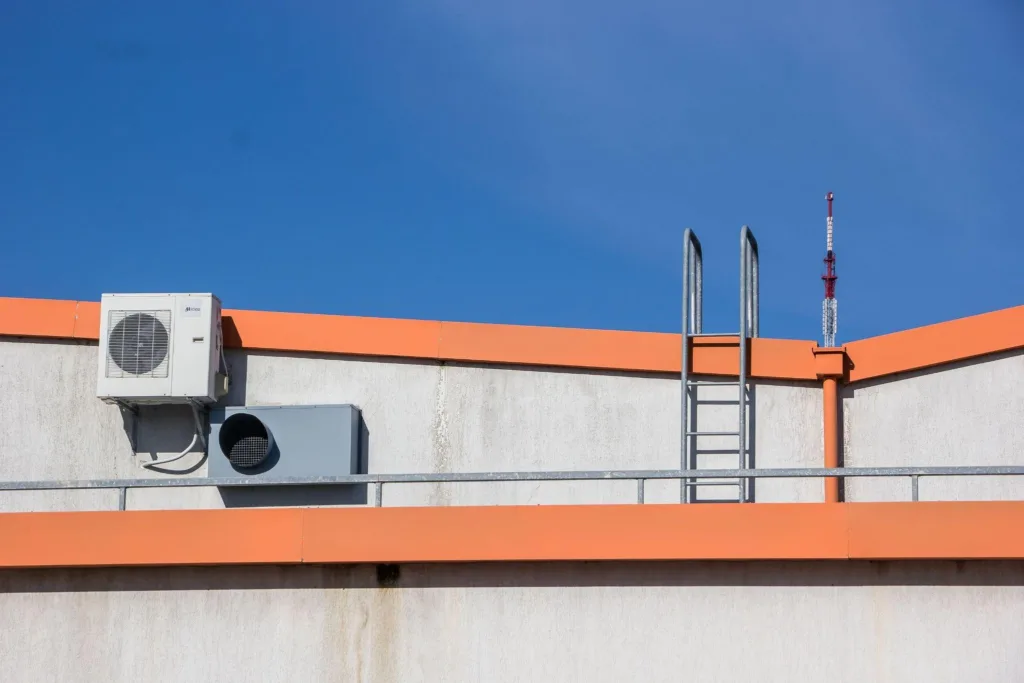
Average Lifespan of a Commercial Rooftop Unit
By using reliable commercial HVAC services from Platinum HVAC, you can improve the lifespan of your unit. However, the typical lifespan of a commercial rooftop HVAC system depends on actual operation, maintenance, and the quality of equipment.
Several considerations affect the life of an RTU, such as:
- Routine preventive maintenance
- Extremes of local climate and weather conditions.
- Operating hours
- The equipment that can be operated and its load.
- Installation quality
- Air quality and environmental conditions
A properly maintained commercial rooftop unit’s lifespan can be well over 20 years, while one overused, exposed to rough exterior elements, or regularly neglected for maintenance could need to be replaced much quicker.
Common Causes of Rooftop Unit Degradation
Rooftop units face exposure to constant environmental stresses, which tend to degrade the performance of these units over time, unlike indoor HVAC systems.
Some of the most typical reasons for deterioration are:
- Stressing conditions: rain/snow, UV rays
- Water damage
- Layering of dirt and debris on the condenser coils
- Blocked condensate drains
- Fan motor failure
Many of these issues can be exacerbated by inadequate maintenance.
Key Warning Signs Your RTU Needs Attention
If one can recognize the warning signs early, then repairing it and preventing downtime in the system are going to be much more cost-effective.
Be alert for signs of:
- Increased costs for utilities with no or lower gas usage.
- The drive from differential heating/cooling.
- Reduced airflow
- Frequent system cycling
- Strange sounds/sounds that vibrate too much.
If the model keeps getting the same components fixed, it might mean the end of the machine’s life.
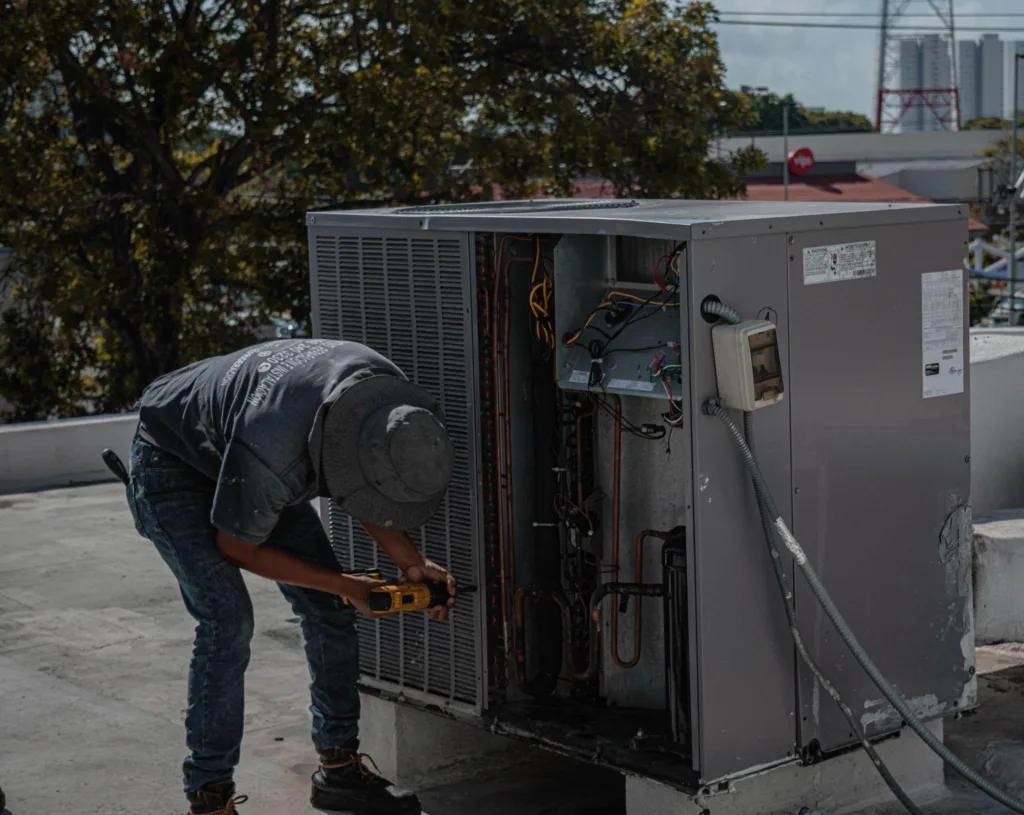
Repair vs. Rebuild vs. Replace: How to Decide
In determining whether to repair, reconstruct, or replace your RTU, there are several factors to consider.
The repair method should be undertaken when the damage is considered:
- This unit is fairly recent.
- Issues are dealt with separately with the parts.
- The cost of repairs is not high.
- The equipment still has an energy-efficient operation.
Replacement may be the best investment when:
- This unit is 15-20 years of age or older.
- Repairs are regular and expensive.
- There is a great loss in energy efficiency.
- Service parts are not readily available.
Platinum HVAC is an expert in the commercial HVAC industry and can assist building owners in assessing these elements and in making the right decision regarding the solution that makes the most sense for their long-term needs.
Cost Comparison: Repairing, Rebuilding, and Replacing RTUs
To ensure a solid long-term financial plan, there are different initial expenses for each option, as well as different financial considerations.
Repair
Advantages include:
- Lowest immediate cost
- Faster completion
- Minimal operational disruption
Potential drawbacks include:
- Multiple future repairs
- Inadequate performance in the event of an ageing component.
- Cuts down the lifetime of machines that are still in use.
Rebuild
Benefits include:
- Extends equipment life
- Cheap compared to doing a complete replacement.
Possible disadvantages include:
- Causes upfront expense, which is higher than the cost of repairs.
- The cabinets and frameworks are still used for older items
- May not be as efficient as new equipment
Replace
There are some long-term benefits to using replacement:
- Improved energy efficiency
- Lower maintenance expenses
- Enhanced reliability
While the replacement of a rooftop HVAC unit usually has the largest initial capital costs, reduced operating expenses and reduced unexpected breakdowns may offer the most significant savings over time.
How to Evaluate Your RTU Before Making a Decision
The average HVAC has a lifespan of up to 25 years when taken care of. If you are contemplating repair, reconstruction, or replacement of your rooftop HVAC unit, take time to carefully review the total status of the unit.
Here are a few questions to ponder:
- How many years has the equipment been in service?
- How often has it needed to be repaired?
- Have electrical bills been significantly higher?
- Does the compressor still function well?
- Has maintenance been carried out regularly?
- What is the benefit to upgrading as far as occupants’ comfort is concerned?
A full job inspection should include:
- Electrical system testing
- Refrigerant level evaluation
- Heat exchanger inspection
- Coil condition assessment
- Control system diagnostics
These approximations of repair and rooftop unit replacement costs can be compared to find out which facility will have better overall value in the coming years.
Conclusion
Commercial rooftop units are significant investments that play a major role in the comfort of the occupants and energy costs, along with the running of the business. Informing building owners about the average lifespan of an RTU, warning signs of failure, and a history of repairs can help them make informed decisions before dealing with small problems as big failures.