
Choosing the Right Payment Solution for Global Expansion
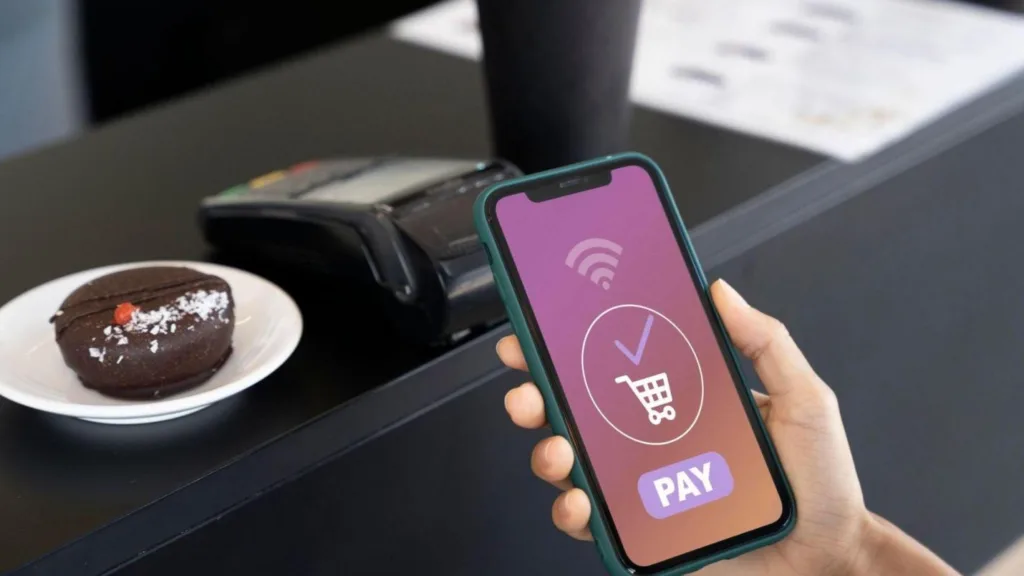
Global expansion brings a business closer to new customers, new revenue streams, and wider brand reach. Yet payments can quickly become a barrier when buyers face unfamiliar checkout options, unclear charges, or failed transactions.
For Indian businesses entering international markets, the right payment setup is not just a backend choice. It shapes trust, checkout completion, customer satisfaction, and long-term growth.
This article covers key factors for choosing a payment solution that supports secure international growth.
Understand Your Target Markets
Every market has its own payment habits, banking systems, buyer expectations, and checkout behaviour. A payment solution should match how customers already prefer to pay, rather than forcing them into unfamiliar steps.
- Study local customer payment preferences.
- Review regional banking and regulatory requirements.
- Match checkout language and currency expectations.
Ensure Multi-Currency Support
International buyers feel more confident when they can view and pay in a familiar currency. Multi-currency support also reduces confusion during checkout and gives Indian businesses a smoother way to serve global customers.
- Display prices in relevant local currencies.
- Check currency conversion clarity.
- Reduce payment hesitation at checkout.
Check Payment Method Coverage
Card payments alone may not be enough for every region. Some customers prefer wallets, bank transfers, or local payment networks. A wider payment mix can improve acceptance and make checkout feel familiar.
- Offer cards, wallets, and local options.
- Choose methods based on each market.
- Keep the checkout journey simple.
Prioritise Security and Compliance
Trust matters deeply in digital payments. Customers want to know their data is protected, while businesses must follow applicable payment regulations. Strong security and compliance reduce risk for both sides.
- Look for secure data handling.
- Check compliance with relevant standards.
- Use authentication without adding friction.
Compare Transaction Costs
International payments can include processing fees, conversion charges, settlement costs, and cross-border charges. These costs can affect margins, especially when sales volumes grow across multiple countries.
- Review all fee components carefully.
- Avoid judging only by headline pricing.
- Balance cost with reliability and support.
Assess Integration Capabilities
A payment gateway should work smoothly with your website, app, accounting tools, and order systems. Poor integration can slow operations and create checkout issues for customers.
- Check developer-friendly integration options.
- Ensure compatibility with current systems.
- Choose a setup that supports smooth checkout.
Evaluate Scalability
Global growth can bring higher payment volumes, new regions, and more complex operations. The payment system should be able to grow without frequent platform changes or performance issues.
- Choose infrastructure built for expansion.
- Support new markets without major disruption.
- Ensure stable performance during demand spikes.
Review Fraud Prevention Features
Cross-border transactions can attract higher fraud risk. A strong payment gateway should detect suspicious activity while allowing genuine customers to complete payments without unnecessary delays.
- Use risk checks and transaction monitoring.
- Balance fraud control with customer ease.
- Review chargeback handling support.
Consider Settlement and Payout Options
Fast and predictable settlements improve cash flow, especially for businesses managing suppliers, marketing spends, and operational costs across regions.
- Check supported settlement currencies.
- Review payout timelines and options.
- Understand how refunds are processed.
Analyse Reporting and Analytics Tools
Clear reporting gives businesses better visibility into transaction performance, failed payments, refunds, and customer behaviour. These insights can guide market decisions and checkout improvements.
- Track payment success and failure trends.
- Review region-wise transaction performance.
- Use insights to refine checkout strategy.
Conclusion
Choosing the right payment partner is a key step in global expansion. Indian businesses need more than a basic checkout option. They need secure processing, local payment coverage, multi-currency support, transparent costs, reliable settlements, and useful reporting. A well-chosen payment solution can make international buying easier for customers and give businesses the confidence to enter new markets with stronger control over digital payments.
FAQs
1. What is a payment solution for global expansion?
It is a system that allows businesses to accept payments from customers in different countries through suitable currencies, methods, and checkout flows.
2. Why is multi-currency support important?
Multi-currency support makes checkout easier because customers can view and pay in a currency they recognise.
3. Which payment methods should a business offer globally?
Businesses should offer cards, wallets, bank transfers, and local payment methods based on customer preferences in each target market.
4. How can PayU be considered for Global Payments?
Businesses can review PayU as a digital payment gateway option when comparing payment coverage, security, integration, and settlement needs.
5. What should businesses check before choosing a payment gateway?
They should check security, compliance, pricing, fraud prevention, reporting tools, scalability, and ease of integration.