
New York-Based Designer Jaehyeok Lee Driving Measurable Impact Across Global Systems
Award-winning work, institutional projects, and measurable outcomes across product, brand, and digital design
1. A Systems Approach to Managing Complexity
As digital environments and brand ecosystems grow increasingly complex, the ability to organize clarity through structure has become a key competitive advantage in design. New York–based designer Jaehyeok Lee has spent approximately a decade addressing this challenge through global brand work, government projects, and a range of award-winning achievements.
Lee has led over ten end-to-end design projects, taking a central role in shaping system-level design decisions, building scalable design systems across diverse collaborative environments. His portfolio extends beyond visual output, focusing on structuring systems that directly influence user experience and business outcomes.
2. Measurable Impact Through System Design
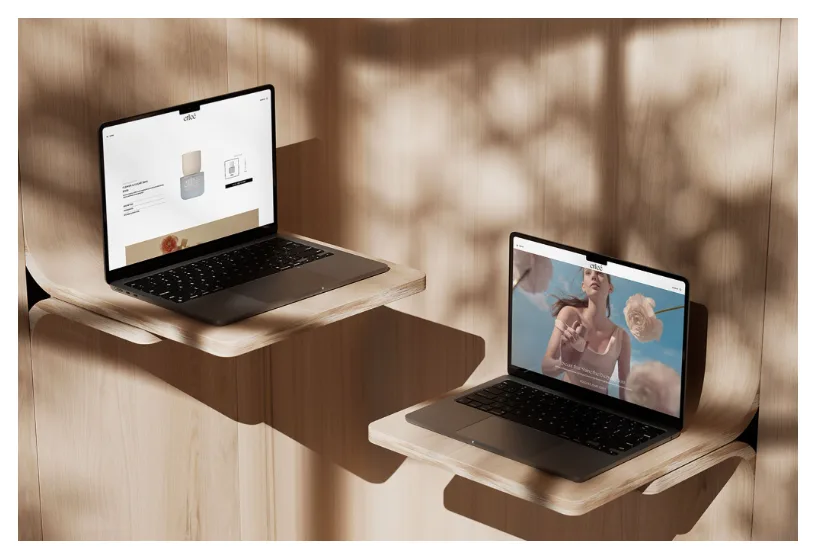
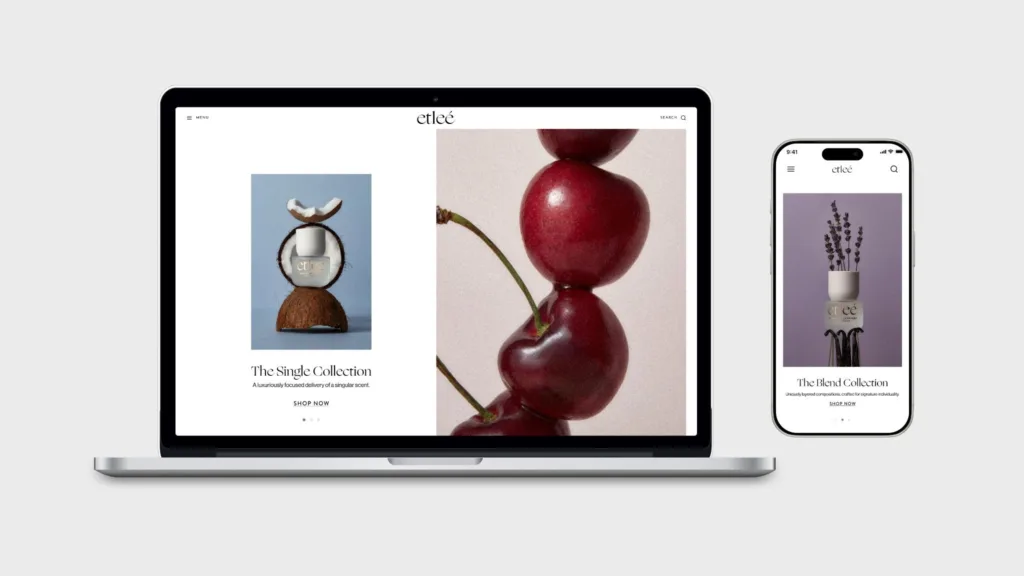
Most recently, Lee led the branding and website development for etleé, designing a cohesive system that integrates brand positioning with digital experience. He also developed a digital brand guideline system to ensure long-term operational consistency, an effort that contributed to receiving the 2025 KISS WAY AWARD.
The brand generated approximately $3 million in revenue within six months of launch, demonstrating how strategic brand and system design can translate directly into measurable business performance. His work has also produced quantifiable results in other contexts. In a project addressing housing challenges in equatorial regions, his design approach contributed to increasing website engagement by approximately 35%, illustrating the direct impact of structured design on user behavior and participation.
Lee’s influence also extends to public and institutional projects. In his work with SSSF, a government-affiliated startup support foundation in Korea, he led branding and system design efforts that integrated spatial, digital, and brand experiences into a unified framework. Following the project, the organization secured approximately $13.5 million in government funding, demonstrating how brand and system design can enhance institutional credibility and scalability.
3. International Recognition and Research-Driven Practice
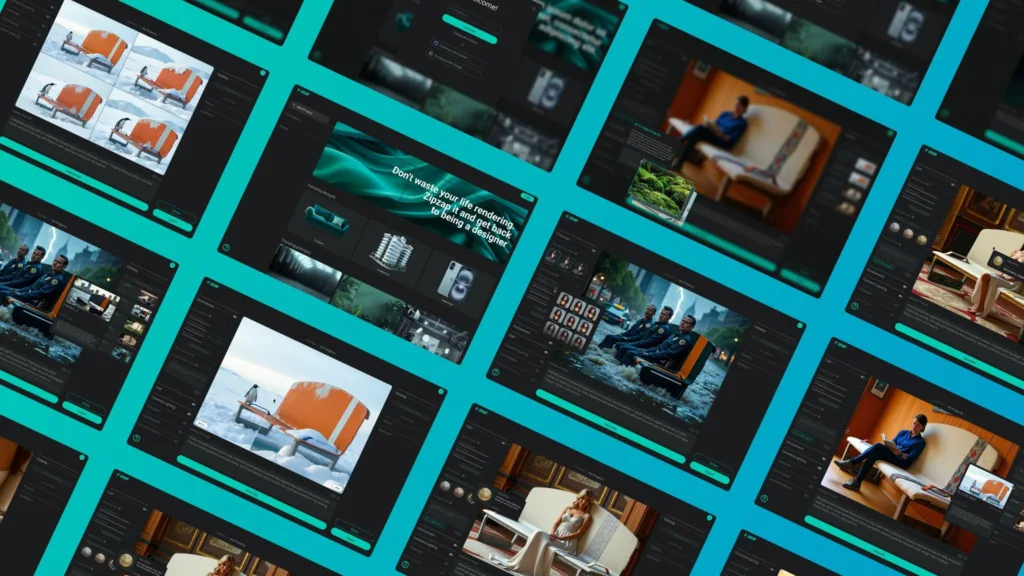
Lee’s work has been recognized on an international stage. Projects such as Minimix and ZipZap received Gold Awards at the London Design Awards 2025, highlighting innovation in both product branding and digital experience. He was also awarded the Gianninoto Award by the Industrial Designers Society of America (IDSA), one of the leading design organizations in the United States. His work has been featured in INNOVATION Magazine, further reinforcing his presence within the global design community.
Beyond professional practice, Lee maintains a research-driven approach to design. His master’s thesis, focused on digital design and interaction, was published on ProQuest. Earlier in his career, he independently developed a product concept and secured a patent through the Korean Intellectual Property Office, demonstrating his ability to translate conceptual ideas into tangible outcomes.
Lee’s design philosophy is centered on structuring complexity rather than eliminating it. By organizing layered information and functionality into coherent systems, he enables intuitive user experiences. Through various projects, he continues to implement this approach in ways that operate effectively in real-world contexts, demonstrating how design can contribute to both industry practices and user engagement.
ConclusionLooking ahead, Lee is expected to lead efforts in designing complex systems across industries and integrating them into both organizational frameworks and user experiences. His work continues to expand the role of design beyond execution, positioning it as a core structure that informs strategic decision-making.