
5 Ways ID Scanning Protects Your Business from Liability
Quick Answer
ID scanning protects businesses from liability by instantly verifying guest identities, flagging high-risk individuals, and preventing underage or fraudulent entry. This technology creates tamper-resistant digital records that support compliance, deter misconduct, and aid incident resolution. By automating identity checks, venues reduce exposure to fines, lawsuits, and reputational harm – making ID scanning a critical tool for modern risk management.
Introduction
Running a venue today means balancing hospitality with responsibility. One moment of oversight – a missed fake ID, an unflagged repeat offender – can lead to legal trouble, financial loss, or worse. That’s why more operators are turning to reliable verification methods that go beyond a quick glance at a driver’s licence.
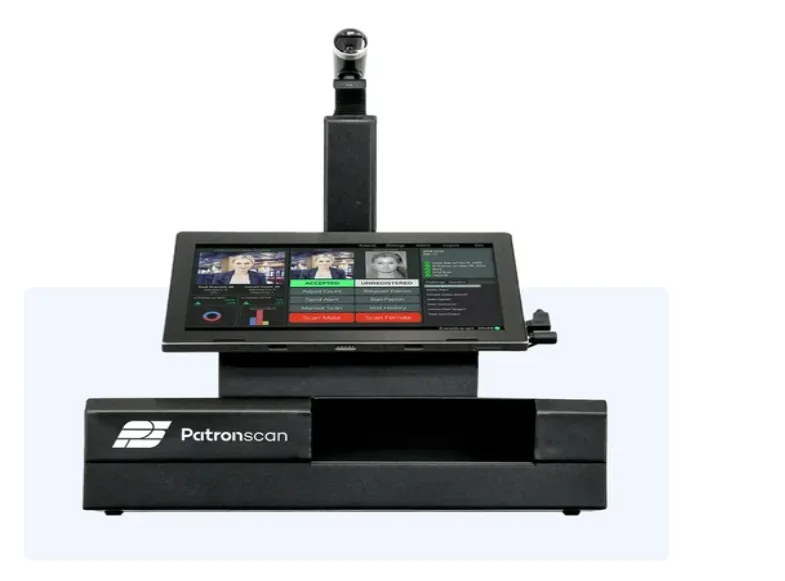
Modern ID scanning systems offer a proactive defense against common liability triggers, from underage access to identity fraud. Tools like Patronscan help venues maintain safer environments while generating actionable insights from entry data. Understanding how ID scanning protects businesses from liability is no longer optional – it’s essential for any operation serious about safety, compliance, and sustainability.
5 Ways ID Scanning Protects Your Business from Liability
ID scanning has become a cornerstone of responsible venue management – not just for compliance, but as a practical shield against legal and operational risk. Below are five key ways this technology directly reduces liability exposure, backed by real-world functionality and industry need.
1. Preventing Underage Entry and Associated Penalties
Serving restricted-age guests remains one of the most frequent – and expensive – violations in hospitality. Manual checks often miss subtle signs of forgery, especially during busy entry periods. Advanced scanner systems instantly validate age by reading encoded data, not just surface text, and cross-reference it against official templates.
Automated verification drastically lowers the chance of accidental underage admission and demonstrates documented due diligence if regulators investigate.
2. Detecting Sophisticated Fake IDs
Today’s counterfeit IDs are increasingly convincing, often passing basic barcode scanners. Advanced ID scanning systems evaluate thousands of data points – including font spacing, hologram placement, and infrared security features – using algorithms trained on millions of real and fake documents. By catching fakes that slip past the human eye, venues avoid complicity in fraud, reduce chargebacks, and prevent individuals with malicious intent from gaining access.
3. Flagging High-Risk or Previously Removed Patrons
When someone causes a disturbance – whether through aggression, property damage, or skipping out on a tab – they can be discreetly flagged in the system. If they return, staff receive an immediate alert, often accompanied by a photo captured during their prior visit.
This shared, privacy-compliant network allows consistent enforcement across multiple venues and shifts, stopping repeat incidents before they happen. It’s a proactive step that directly limits negligence claims.
4. Generating Audit-Ready Digital Records
In the aftermath of an incident, having a timestamped, tamper-resistant log of who entered – and when – can be decisive. Unlike handwritten notes or unreliable memory, digital scans provide accurate, searchable records that support your account during investigations or legal proceedings. These logs satisfy insurer and regulatory expectations for documented verification protocols.
5. Supporting Safer Environments Through Deterrence
The mere presence of an ID scanner changes behaviour. Patrons know their identity is being verified and that misconduct could lead to being flagged. This accountability reduces incidents like unpaid tabs, vandalism, or altercations – lowering both operational friction and legal exposure. As one operator noted, the system “makes each individual patron accountable for their actions.”
| Risk Scenario | Without Scanning | With Scanning |
| Underage entry | Relies on visual guesswork; high error rate | Instant age validation; near-zero error |
| Fake ID use | May pass basic checks; reactive response | 6,000+ data points analyzed; proactive block |
| Repeat offenders | May re-enter unnoticed | Real-time flag alerts with photo match |
| Incident disputes | No reliable entry record | Timestamped, searchable digital log |
| Staff safety | Reactive security measures | Deterrence + early warning system |
Having a robust verification system answers a fundamental question: why every venue needs an ID scanner. Together, these capabilities illustrate how ID scanning protects businesses from liability – not through surveillance, but through intelligent, scalable prevention. The result is a venue that operates with greater confidence, consistency, and control.
Beyond Compliance: Operational Benefits of ID Scanners
While legal protection is a primary motivator, venues quickly realize that ID scanning delivers powerful operational advantages that enhance efficiency, inform strategy, and improve the overall guest experience. These benefits turn a compliance requirement into a strategic asset.
Actionable Insights Through Robust Reporting
This data helps refine staffing schedules, optimize promotional timing, and even shape event programming. For example, identifying a surge in international IDs during summer months might prompt multilingual signage or themed nights – decisions grounded in real behaviour, not guesswork. As one operator noted, these reports “helped us expand our brand and become the most successful pub destination” in their region.
Consistent Flagging Across Multiple Venues
For groups managing several locations – such as festival organizers or hospitality chains – the ability to share flagged patron records is invaluable. When someone is flagged for aggression, property damage, or skipping out on a tab at one site, they’re automatically recognized at all connected venues. This eliminates reliance on memory or paper lists and ensures consistent enforcement, reducing repeat incidents and strengthening overall security posture.
Deterrence Through Accountability
The presence of an ID scanner subtly shifts guest behaviour. Knowing that identity is verified and a photo may be captured encourages patrons to act responsibly. Staff report fewer unpaid tabs, less vandalism, and calmer crowds – outcomes that reduce both operational friction and liability exposure. As one user put it, the system “makes each individual patron accountable for their actions.”
Global ID Recognition for Diverse Audiences
At large events like music festivals or international beer gardens, guests often present IDs from dozens of jurisdictions. Modern ID scanning systems can validate thousands of government-issued documents – including passports, military IDs, and Indigenous status cards – using up-to-date templates and infrared analysis. This ensures legitimate guests aren’t turned away due to unfamiliar formats, while still catching sophisticated fakes.
Key operational gains include:
- Real-time data to align staffing with actual demand
- Reduced training time through intuitive, standardized scanning
- Faster incident resolution using entry photos and logs
- Enhanced marketing precision through anonymized demographic reporting
These capabilities demonstrate how ID scanners help prevent legal issues not just by blocking risk, but by building smarter, more responsive operations. The result is a venue that runs smoother, feels safer, and adapts faster – all while maintaining a welcoming atmosphere.
Final Thoughts: A Smarter Approach to Venue Safety
In an era where one incident can trigger legal, financial, and reputational fallout, relying on outdated entry methods is a gamble no venue can afford. ID scanning offers a measured, technology-driven response that aligns safety, compliance, and operational intelligence. It’s not about turning hospitality into high-security – it’s about creating a space where staff feel protected, patrons act responsibly, and management operates with confidence.
As fake IDs grow more convincing and guest expectations for safety rise, the question is no longer if you should scan IDs – but how soon you can implement a system that works accurately, quickly, and ethically. That’s the essence of how ID scanning protects businesses from liability: by replacing guesswork with verification, and reaction with prevention.