
How ABA Therapy Evolves as a Child Grows
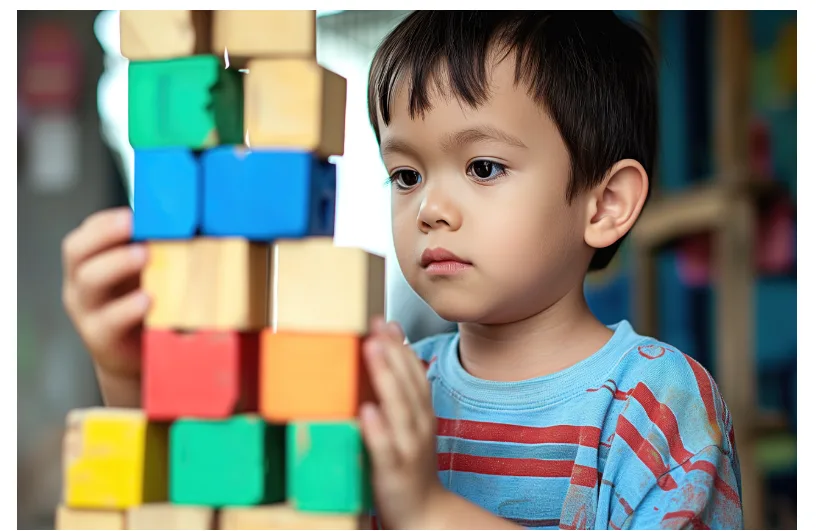
Research consistently shows that early intervention can have a significant impact on developmental outcomes for children with autism spectrum disorder (ASD). According to findings published by organizations such as the Centers for Disease Control and Prevention and the National Institute of Child Health and Human Development, children who receive evidence-based interventions during their early years often demonstrate meaningful improvements in communication, social interaction, adaptive behavior, and daily living skills.
However, one important reality that many parents do not initially realize is that effective therapy is never static. The needs of a three-year-old child are very different from those of a ten-year-old, and those needs will continue to change during adolescence and beyond.
This is where Applied Behavior Analysis (ABA) therapy stands apart from many one-size-fits-all approaches. ABA is designed to grow alongside the child. Rather than following a fixed curriculum, it continuously adapts to developmental milestones, strengths, challenges, interests, and life circumstances. As children gain new abilities and encounter new environments, their therapy goals, teaching strategies, and methods of support evolve as well.
Child’s Developmental Progress
One of the most important principles of ABA therapy is that intervention should reflect the child’s current stage of development. A young child learning to communicate basic wants and needs requires a completely different approach than a teenager preparing for employment or independent living.
Therapists continuously assess a child’s progress and collect data to determine which skills have been mastered and which areas require additional support. As children develop new capabilities, therapy goals shift accordingly. What begins as teaching eye contact, imitation skills, or simple communication may eventually expand into problem-solving, self-advocacy, emotional regulation, and social relationship building.
This developmental approach allows therapy to remain meaningful throughout childhood. Instead of focusing on the same objectives year after year, ABA evolves in response to the child’s growth, ensuring that intervention remains relevant to real-life challenges and opportunities.
Focus on Foundational Skills
For many children, ABA therapy begins during the preschool years. During this stage, therapists often concentrate on building foundational skills that support future learning.
Communication is frequently a major area of focus. Some children may be learning to use spoken language, while others may rely on alternative communication methods. The goal is to help the child effectively express needs, wants, thoughts, and feelings.
In addition to communication, therapists often work on attention skills, imitation, play skills, following instructions, and early social interactions. These abilities serve as building blocks for future academic and social success.
At this age, therapy sessions may appear highly interactive and play-based. Young children learn best through engaging activities that capture their attention and motivation. ABA therapists use toys, games, songs, and naturally occurring opportunities to teach skills in ways that feel enjoyable and rewarding.
Parents are also heavily involved during this stage. Family participation helps ensure that newly learned skills are practiced consistently across different environments, which accelerates learning and generalization.
Complex Goals
The transition into school introduces entirely new expectations. Suddenly, children are required to follow classroom routines, participate in group activities, communicate with teachers, and interact with peers throughout the day.
As a result, ABA therapy often expands beyond foundational skills and begins addressing more advanced social, behavioral, and academic challenges.
Therapists may help children learn how to raise their hand before speaking, transition between activities, follow multi-step instructions, stay focused during lessons, and complete independent work. Social goals may include initiating conversations, taking turns, understanding personal space, and participating appropriately in group settings.
The therapy process also becomes increasingly individualized because every child’s school experience is different. Some children may need support with classroom participation, while others may require assistance managing anxiety, frustration, or sensory challenges that interfere with learning.
At this stage, collaboration between therapists, teachers, and parents often becomes especially important. When everyone works toward shared goals, children are more likely to apply their skills successfully across settings.
Social Development Takes Center
As children grow older, social relationships become increasingly important. While younger children may be satisfied with parallel play or brief interactions, school-age children begin navigating friendships, group dynamics, and more sophisticated social expectations.
This shift often leads ABA therapy to place greater emphasis on social competence. Rather than simply teaching a child how to greet someone, therapy may focus on maintaining conversations, understanding humor, recognizing social cues, and responding appropriately in various situations.
Children may learn how to join peer activities, resolve conflicts, handle disagreements, and develop meaningful friendships. These skills can be challenging because social interactions are often unpredictable and require flexible thinking.

Therapists frequently use role-playing, group activities, social stories, and real-world practice opportunities to help children apply these skills in natural settings. The objective is not to teach scripted responses but to help children become more comfortable and confident navigating social situations independently.
As friendships become a larger part of daily life, these social skills can significantly influence a child’s self-esteem, sense of belonging, and overall quality of life.
Behavioral Goals
For younger children, behavior intervention may focus on reducing behaviors that interfere with learning, communication, or safety. Examples might include tantrums, aggression, self-injurious behaviors, or difficulty transitioning between activities.
As children mature, behavioral goals often become more nuanced. Instead of focusing solely on reducing challenging behaviors, therapists begin helping children understand the reasons behind their emotions and develop healthier coping strategies.
For example, a child who becomes overwhelmed during difficult situations may learn how to recognize early signs of frustration and use self-regulation techniques before reaching a crisis point. Similarly, a child who struggles with unexpected changes may learn flexible thinking skills that help them adapt more effectively.
The emphasis gradually shifts from external behavior management toward internal self-management. This transition plays a crucial role in preparing children for greater independence as they grow older.
Independence Becomes a Major Priority
One of the most significant changes in ABA therapy over time is the increasing focus on independence. While early intervention often involves substantial adult guidance, long-term success depends on helping children perform tasks with less support. As children grow, therapy increasingly targets practical life skills that promote autonomy. These skills may include personal hygiene, dressing independently, organizing belongings, managing schedules, completing chores, preparing simple meals, or navigating community settings safely.
The specific goals vary depending on the child’s age and abilities. However, the overall objective remains consistent: helping the child participate as independently as possible in daily life. Therapists carefully break down complex tasks into manageable steps and gradually reduce assistance as mastery develops. This systematic approach allows children to experience success while building confidence in their own abilities.
Families often find that these independence-focused goals become some of the most meaningful outcomes of ABA therapy because they directly improve everyday functioning and quality of life.
Adolescent Challenges
The teenage years introduce an entirely new set of developmental demands. Academic expectations increase, social relationships become more complex, and personal identity begins to take shape. As a result, ABA therapy frequently undergoes another transformation during adolescence.
Communication goals may expand to include self-advocacy, expressing opinions, setting boundaries, and participating in more mature conversations. Social goals may focus on friendship maintenance, navigating peer pressure, understanding social expectations, and building healthy relationships.
At the same time, emotional regulation often becomes a major area of focus. Adolescents experience stronger emotions and more complicated social situations than younger children. Learning how to manage stress, anxiety, disappointment, and frustration becomes increasingly important.
Therapy may also address executive functioning skills such as planning, organization, time management, and decision-making. These abilities support success in school, community involvement, and future employment opportunities. Rather than treating adolescents as older children, effective ABA programs recognize their growing maturity and tailor interventions accordingly.
Preparing for Adulthood Changes the Direction of Therapy
As children approach adulthood, ABA therapy often shifts toward long-term life outcomes rather than short-term developmental milestones. Goals may include vocational readiness, community participation, financial awareness, self-advocacy, transportation skills, and independent living competencies. Therapy becomes increasingly focused on helping individuals function successfully in real-world environments.
For some adolescents, this may involve learning workplace behaviors such as following schedules, communicating with supervisors, and completing assigned tasks responsibly. For others, the emphasis may be on managing daily routines, making informed decisions, and accessing community resources independently. And how do you plan it, for that we interviewed experts at Aviation ABA based in Utah, who shared detailed insights.
According to their CEO, Reuven, “the transition planning process typically involves close collaboration among families, therapists, educators, and other professionals. Together, they identify priorities that align with the individual’s strengths, interests, and future aspirations.”
This stage highlights an important truth about ABA therapy: success is not defined by achieving identical outcomes for every individual. Instead, success is measured by helping each person reach their fullest potential and participate meaningfully in the life they choose.
Final Words
All in all, ABA therapy is a dynamic, individualized process that adapts as children grow, develop new abilities, and encounter new life experiences. The skills emphasized during the preschool years are often very different from those targeted during elementary school, adolescence, or the transition into adulthood.
By continuously adjusting goals, teaching methods, and areas of focus, ABA therapy helps children build the skills they need at each stage of development. From early communication and social interaction to independence, self-advocacy, and life readiness, the therapy journey evolves alongside the child. When implemented thoughtfully and individualized to the person’s unique strengths and challenges, ABA therapy can provide ongoing support that remains meaningful, practical, and empowering throughout every stage of growth.