
Why Businesses Are Switching to Compact Computing: The Rise of Mini PC Solutions
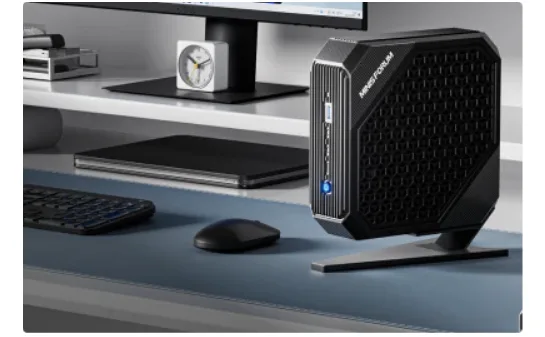
The world of business computing is changing. Offices that once had towers under every desk are moving to something smarter. Compact computers are taking over. They’re faster, quieter, and they take up almost no space. They cost less than traditional setups. They use less power. They fit into tight spaces. And they work just as well as machines ten times their size.
If you run a business, you’re probably noticing this shift. Your competitors are using smaller machines. Your employees want simpler setups. Your office space costs money per square foot. It makes sense to use machines that don’t waste that space.
But there’s more to this story than just size. The real question is how to find quality compact computers at prices that make sense. How to build a reliable supply chain. How to make sure you get machines that actually perform when you need them to.
The Performance Question
People sometimes think compact means weak. That’s the old way of thinking. Modern compact computers are powerful. They have processors that would have seemed like science fiction five years ago. They have plenty of memory. They run everything a business needs without any struggle.
A compact computer can run your accounting software. It can handle video calls. It can process spreadsheets with thousands of rows. It can run design software. It can manage databases. It doesn’t slow down. It doesn’t freeze. It just works.
The key is choosing the right one. Not all compact computers are the same. Some are built for light office work. Others are designed for heavy computing tasks. Some are built to be silent. Others prioritize speed. Understanding what you actually need matters more than picking the smallest or the cheapest option.
Think about your actual workload. What do your people do all day? Are they writing emails and using the web? Are they working with large files? Are they doing video editing or coding? Are they running specialized software? The answer to these questions tells you what kind of compact computer you need.
Building a Wholesale Strategy
For businesses buying multiple machines, wholesale is the way to go. Buying ten computers individually costs way more than buying them as a group. But getting a good deal on wholesale requires knowing where to look and what questions to ask.
A performance mini pc wholesale supplier should have different options. They should have machines for different budgets. They should have machines for different purposes. They should be able to talk to you about specifications. They should answer your questions without making you feel stupid.
The best suppliers understand business. They know that you need reliable machines. You need good support. You need reasonable prices. You need someone you can count on when you have a problem.
When you’re looking for a mini pc supplier, ask about warranty. Ask about technical support. Ask about return policies. Ask about bulk discounts. Ask about customization options. A good supplier is happy to answer all of these questions.
Pricing matters, but it’s not everything. The cheapest machine might have problems. You might spend hours troubleshooting. You might lose productivity. A machine that costs a bit more but works reliably is actually cheaper in the long run. Factor in the time cost of dealing with problems when you’re comparing prices.
Understanding Wholesale Mini PC Options
wholesale mini pc options range from basic machines to high-performance systems. Basic machines are good for general office work. They have enough power for most business tasks. They don’t cost much. They work well if your needs are straightforward.
High-performance compact computers are for businesses with more demanding work. They have faster processors. More memory. Better graphics capabilities. They cost more but they handle heavy work without breaking a sweat.
There are also specialty compact computers. Some are designed to run without a fan, which makes them silent. Some are designed to work in factories or warehouses where conditions are rough. Some are designed for specific industries like medical or automotive.
When you’re shopping for wholesale quantities, ask what options are available. Ask about the differences between models. Ask what people actually use them for. Real-world examples help you make better decisions than just looking at specifications.
The Economics of Switching
Let’s do the math. A traditional desktop tower costs about eight hundred to twelve hundred dollars per unit. A monitor costs two or three hundred dollars. Cables and peripherals cost more. You’re looking at over a thousand dollars per workstation before you even plug anything in.
A compact computer might cost four or five hundred dollars. You can use the monitors you already have. You can use existing peripherals. Your total cost per workstation drops significantly. If you’re buying for ten people, you’re saving thousands of dollars.
But the real savings are ongoing. Compact computers use less electricity. That’s a smaller power bill every month. They take up less space, so your office rent or real estate costs go down. They’re quieter, which might make your office a nicer place to work.
They’re also simpler to manage. Fewer moving parts means fewer things break. Dust doesn’t accumulate inside them as much. They need less maintenance. Your IT person has an easier time keeping them running.
Space and Flexibility
Office real estate is expensive. Every square foot costs money. A traditional setup with a tower takes up space on the floor or under the desk. A compact computer sits on a shelf or mounts to the back of a monitor. It barely takes up any space.
This flexibility changes how you can set up your office. You can have hot-desking where multiple people share workstations by logging in with their own accounts. You can set up client meeting areas with computers that weren’t possible before. You can create quiet zones for focused work in small spaces.
Some businesses use compact computers for digital signage. They run displays in lobbies or waiting areas. They use them for point-of-sale systems in retail. They use them for kiosks. The size and power make them perfect for all of these uses.
Reliability and Support
When you buy wholesale, you want to know that the supplier will stand behind what they sell. You want warranty coverage that actually means something. You want technical support you can call when something goes wrong.
A good wholesale supplier has people who understand the products. They can answer technical questions. They can help you troubleshoot problems. They can provide replacement units quickly if something fails. They make the buying process easy and the support process even easier.
Ask potential suppliers about their support structure before you buy. Ask how they handle warranty claims. Ask how quickly they can get replacement parts or whole units to you. Ask about their return policy if you get a machine and it doesn’t work the way you expected.
Building a relationship with a good wholesale supplier is valuable. You want someone you can call when you need to expand. Someone who remembers your business and treats you well. Someone who works to keep your business coming back.
Making the Transition
If you’re thinking about switching from traditional desktops to compact computers, start small. Buy a few machines. Use them for a month. See how they work in your actual environment. Get feedback from your people. Then make a bigger order if you’re happy.
This approach lets you find out if compact computers work for your specific situation before you commit to a major purchase. It also lets your team get comfortable with the new machines. People sometimes resist change, but when they see how well these machines work, resistance usually goes away.
Consider your timeline too. You don’t have to replace everything at once. You can switch machines as the old ones need replacing. You can introduce compact computers gradually. Over time, your whole operation moves to the new approach.
Finding Your Supplier
The right wholesale supplier makes a huge difference. You want someone reliable. Someone who understands your needs. Someone who has quality products at fair prices. Someone who supports you before and after the sale.
Do your homework. Look at reviews. Talk to other businesses using compact computers. Ask for references from suppliers. Compare options. Don’t just pick the cheapest one. Pick the one you think you can work with long term.
The compact computer revolution is real. Businesses are switching because it makes sense. Less space. Lower cost. Better performance. Quieter operation. Less maintenance. All of these benefits add up to real savings and real improvement in how the business operates.
The question isn’t whether you should switch. It’s when and how. And finding the right wholesale supplier is the first step in making that transition smooth and successful.