
Made-to-Order Fashion Is Rising: How DTC Leather Brands Are Changing the Industry
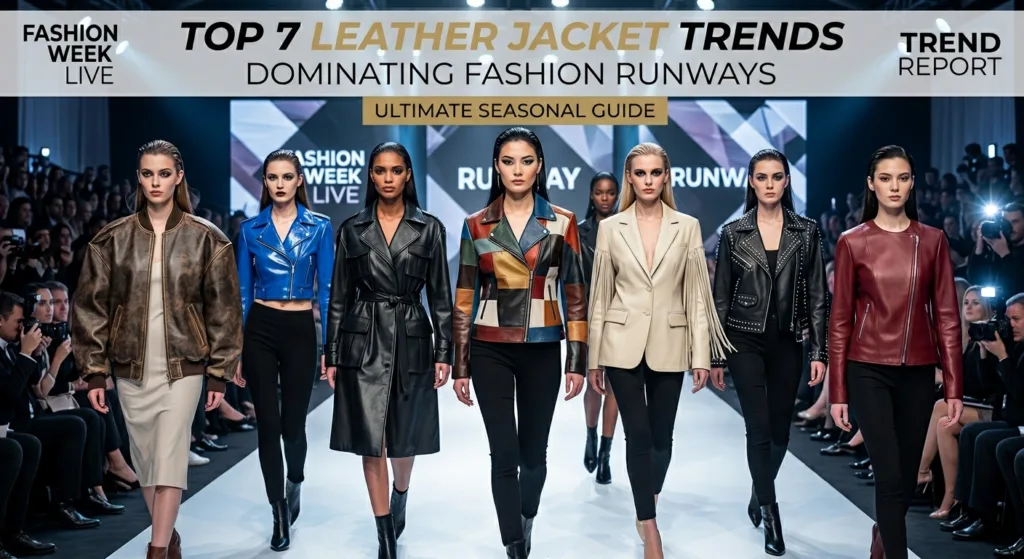
The way we buy clothes is changing fast. Made-to-order fashion — where a garment is produced only after you buy it — is moving from a niche idea to a serious industry shift. Leading the charge are direct-to-consumer (DTC) leather brands, which use this model to cut waste, lower prices, and offer custom fits.
This article explains what made-to-order fashion is, why it’s growing, and how DTC leather brands are using it to reshape the industry — for shoppers and the planet alike.
What Is Made-to-Order Fashion?
Made-to-order fashion is a system where clothing is produced only after a customer places an order, rather than made in bulk ahead of time. This cuts overproduction and waste, supports customization, and lets brands match supply to real demand instead of guesswork.
Why Made-to-Order Fashion Is Rising
For decades, fashion ran on a simple but wasteful model: produce huge quantities, hope they sell, and discard the rest. That system is now breaking down.
Several pressures are pushing the industry toward made-to-order production.
The Cost of Overproduction
Traditional manufacturing creates massive waste. Industry estimates suggest around 30% of garments go unsold, and reports indicate nearly 40% of clothing produced globally is never sold at full price.
The environmental toll is huge. The fashion industry generates an estimated 92 million tons of textile waste each year, much of it ending up in landfill.
Made-to-order flips this. According to industry analysis from Fibre2Fashion, made-to-order models can cut total production waste by 30–50%.
Smarter Technology
New tools make small-batch production practical. Digital design, 3D sampling, AI sizing, and automated cutting let brands produce single items efficiently.
These tools also speed things up. One industry study found made-to-order systems can deliver lead times up to 50% faster than conventional mass production.
Changing Consumer Demand
Shoppers now want products made for them. The rise of customization reflects a desire for clothing that fits well and feels personal.
Market researchers point to growing demand for custom-made and premium pieces as a key force in the leather goods sector, which continues to grow year over year.
Regulatory Pressure
Governments are stepping in too. The EU’s textile strategy aims to discourage overproduction and the destruction of unsold goods, pushing brands toward leaner, demand-led models.
How DTC Leather Brands Are Leading the Shift
Leather is a natural fit for made-to-order fashion. It’s a premium material where fit, quality, and personalization really matter — and DTC brands are using this to their advantage.
Cutting Out the Middleman
Direct-to-consumer fashion means brands sell straight to shoppers, with no retail middlemen. This removes markups and gives brands more control.
The benefits stack up:
- Lower prices — fewer middlemen means better value for buyers
- Direct feedback — brands learn what customers actually want
- Full control — over quality, design, and the customer experience
For leather, where retail markups can be steep, this model makes premium quality more affordable.
Custom Leather Jackets on Demand
The clearest example is the custom leather jacket. Instead of buying a fixed size off the rack, customers can design their own.
A made-to-order leather jacket lets buyers choose:
- The style — biker, bomber, café racer, and more
- The leather type and color
- The lining and hardware
- The exact fit, based on their measurements
The jacket is then crafted to order. Each piece is made for one person, not stockpiled in a warehouse.
Less Waste, Better Value
Because nothing is produced until it’s sold, made-to-order leather brands carry little excess stock. That means far less waste and lower storage costs.
Those savings can flow back to the customer. Shoppers get a higher-quality, custom product — often at a fairer price than traditional retail.
The Benefits for Shoppers and the Planet
Made-to-order fashion offers real advantages on both sides of the purchase.
For shoppers:
- A better, more personal fit
- Custom design choices
- Higher quality for the price
- A product made just for them
For the planet:
- Far less overproduction
- Fewer unsold items in landfill
- Lower resource use per garment
- A slower, more thoughtful pace of consumption
This mix of personal and environmental benefit is exactly why the model keeps growing.
The Challenges of Made-to-Order Fashion
No model is perfect, and made-to-order has trade-offs worth understanding.
The biggest is time. Because each item is crafted after you order, delivery takes longer than buying in-stock goods — often a few weeks for a custom leather piece.
Returns can also be trickier with personalized items, and brands must communicate sizing clearly. The honest takeaway: made-to-order rewards patience and planning, but delivers a product worth the wait.
Frequently Asked Questions
What does made-to-order fashion mean?
Made-to-order fashion means a garment is produced only after a customer buys it, instead of being mass-produced in advance. This reduces waste and overproduction, and often allows customization like custom sizing, colors, and design details.
Why are DTC leather brands using made-to-order?
DTC leather brands use made-to-order to cut waste, lower costs, and offer custom fits. Selling directly to shoppers removes retail markups, while producing on demand means less unsold stock and a more personal product.
Is made-to-order fashion more sustainable?
Generally yes. Because items are made only when ordered, made-to-order cuts overproduction — a major source of fashion waste. Industry analysis suggests it can reduce total production waste by 30–50% compared with mass manufacturing.
How long does a made-to-order leather jacket take?
Most made-to-order leather jackets take a few weeks to craft, since each piece is made individually. Shipping adds extra time, so it’s best to order ahead of any deadline. The longer wait reflects the custom, low-waste process.
Is made-to-order fashion more expensive?
Not always. While custom work can cost more upfront, DTC made-to-order brands cut out retail markups and excess inventory. That often means higher quality at a fairer price than traditional retail, plus a product built to last.
Final Thoughts
Made-to-order fashion is more than a trend — it’s a smarter way to make and buy clothes. By producing only what people actually want, the model cuts waste, improves quality, and puts customers in control.
DTC leather brands are showing how it works in practice, turning custom leather jackets into a model for the whole industry. For fashion lovers who value quality, fit, and responsibility, made-to-order is a shift worth embracing.