
Choosing the Right Equipment for High-Quality Custom Apparel Printing
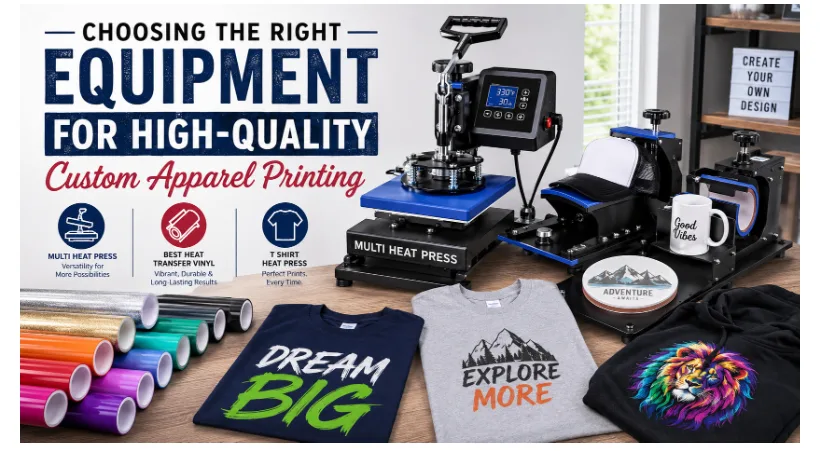
The custom apparel industry continues to grow as businesses, entrepreneurs, and hobbyists look for new ways to create personalized clothing. From small online stores to large-scale production facilities, the demand for high-quality printed garments has increased significantly. Whether you are producing promotional shirts, fashion merchandise, sportswear, or personalized gifts, having the right equipment plays a major role in achieving professional results.
One of the most important investments in this field is a reliable heat press machine. Modern printing methods depend heavily on heat and pressure to transfer designs onto fabric efficiently and consistently. As technology evolves, equipment has become more versatile, allowing users to work with multiple products beyond traditional shirts.
Understanding the differences between various heat press options, selecting the best heat transfer vinyl, and learning how to maximize production efficiency can help businesses improve product quality and customer satisfaction. This guide explores the essential aspects of heat press printing and provides practical insights for anyone looking to succeed in the apparel decoration industry.
Understanding Modern Heat Press Technology
Heat press technology has transformed the way custom apparel is produced. Unlike traditional screen printing methods that often require extensive setup and large production runs, heat press systems provide a flexible solution for both small and large orders. The process involves applying heat and pressure to transfer a design onto fabric using specialized materials such as vinyl, transfer paper, or sublimation prints.
A standard t shirt heat press uses a heated platen to apply consistent temperature and pressure across the garment surface. This consistency ensures that designs adhere properly and remain durable through repeated washing and regular wear. Modern machines feature digital controls that allow users to adjust temperature, pressure, and pressing time according to the material being used.
The popularity of heat press printing is largely due to its versatility. Businesses can produce custom shirts, hoodies, tote bags, caps, and many other promotional items with minimal setup time. This flexibility makes heat press technology an attractive option for startups and established businesses alike.
Advancements in machine design have also improved productivity. Newer models offer faster heating elements, more precise controls, and enhanced safety features. As a result, operators can achieve professional results while reducing production errors and material waste.
Why a Multi Heat Press Is a Smart Investment
As printing businesses expand, the need for greater versatility becomes increasingly important. This is where a Multi Heat Press offers significant advantages. Unlike traditional single-purpose machines, a Multi Heat Press is designed to accommodate multiple attachments and applications within a single system.
A business that invests in a Multi Heat Press gains the ability to customize various products without purchasing separate machines. With interchangeable attachments, users can decorate mugs, hats, plates, bags, and garments using the same core equipment. This versatility reduces equipment costs while maximizing production capabilities.
For small businesses, space efficiency is another major benefit. Instead of dedicating valuable workspace to multiple machines, a Multi Heat Press consolidates several functions into one compact unit. This arrangement is particularly beneficial for home-based businesses and small workshops where space is limited.
Another advantage is scalability. As customer demands evolve, businesses can expand their product offerings without making substantial equipment investments. This flexibility creates new revenue opportunities and allows businesses to respond quickly to market trends. Offering a wider range of customized products often leads to increased customer retention and higher profit margins.
The ability to handle multiple applications also helps operators gain valuable experience across different printing techniques. This broader skill set can improve production quality and enable businesses to diversify their services over time.
Selecting the Best Heat Transfer Vinyl for Professional Results
The quality of the materials used in heat transfer printing directly impacts the final product. Choosing the best heat transfer vinyl is essential for achieving vibrant colors, long-lasting durability, and customer satisfaction.
Heat transfer vinyl, often referred to as HTV, is a specialized material that can be cut into designs and applied to fabric using heat and pressure. Different types of vinyl are available, each designed for specific applications. Some provide a smooth finish, while others offer glitter, metallic, reflective, or textured effects.
When evaluating the best heat transfer vinyl, durability should be a top priority. High-quality vinyl maintains its appearance even after numerous wash cycles. Inferior products may crack, peel, or fade prematurely, leading to customer complaints and reduced brand reputation.
Ease of use is another important consideration. Premium vinyl typically features consistent thickness, reliable adhesive backing, and easy weeding characteristics. These qualities help streamline production and reduce material waste. For businesses handling large order volumes, efficient vinyl can significantly improve productivity.
Compatibility with different fabric types also matters. Cotton, polyester, blends, and performance fabrics may require specific vinyl formulations. Understanding these requirements helps ensure proper adhesion and long-lasting results. Investing in the best heat transfer vinyl may involve slightly higher upfront costs, but the improved product quality often justifies the expense through reduced returns and stronger customer loyalty.
Choosing the Right T Shirt Heat Press for Your Business
Selecting the ideal t shirt heat press involves evaluating several factors that influence both productivity and print quality. While many machines may appear similar at first glance, their performance can vary considerably depending on build quality and design features.
One of the most important considerations is platen size. Larger platens accommodate a wider range of garment sizes and design dimensions. Businesses that frequently produce oversized graphics may benefit from larger pressing surfaces, while smaller operations can often achieve excellent results with standard-sized machines.
Pressure consistency is equally important. Uneven pressure can lead to incomplete transfers, poor adhesion, and inconsistent product quality. A reliable t shirt heat press should distribute pressure evenly across the entire pressing area. This consistency helps ensure professional-looking results every time.
Temperature accuracy also plays a crucial role in successful heat transfers. Different materials require specific temperature ranges to achieve proper bonding. Machines with digital temperature controls and accurate sensors provide better results than models with limited adjustment capabilities.
Durability should not be overlooked. Commercial-grade equipment is designed to withstand continuous operation and maintain performance over time. While entry-level machines may cost less initially, investing in a high-quality t shirt heat press often results in lower maintenance expenses and improved long-term reliability.
Additionally, user-friendly controls and ergonomic design features can significantly improve workflow efficiency. Operators who work comfortably are more likely to maintain consistent production quality throughout the day.
Maximizing Efficiency in Apparel Production
Efficiency is a critical factor in maintaining profitability within the custom apparel industry. Even businesses with excellent equipment and materials can struggle if their production processes are poorly organized. Developing efficient workflows helps reduce costs, improve turnaround times, and increase customer satisfaction.
Preparation is often the key to efficient production. Organizing garments, designs, and materials before beginning a print run minimizes interruptions and allows operators to focus on quality control. Consistent procedures also help reduce mistakes that can lead to wasted products and lost revenue.
Equipment maintenance is another essential component of operational efficiency. Regular inspections, cleaning, and calibration help ensure that machines continue performing at optimal levels. Proper maintenance extends equipment lifespan and reduces the likelihood of unexpected downtime during busy production periods.
Training employees thoroughly can also have a substantial impact on productivity. Operators who understand machine settings, material requirements, and troubleshooting procedures are more capable of maintaining consistent output quality. Investing in education often yields long-term benefits through reduced errors and increased efficiency.
Businesses should also monitor production data and identify areas for improvement. Small adjustments to workflow, scheduling, or equipment utilization can often produce significant gains in productivity. Over time, these improvements contribute to higher profitability and stronger business growth.
Future Trends in Heat Press Printing and Custom Apparel
The custom apparel industry continues to evolve as new technologies and consumer preferences shape market demand. Businesses that stay informed about emerging trends are better positioned to remain competitive and capitalize on future opportunities.
Automation is becoming increasingly common in apparel decoration. Advanced systems now integrate cutting, positioning, and pressing functions to streamline production processes. These innovations help reduce labor requirements while improving consistency and output quality.
Sustainability is another growing focus within the industry. Consumers are becoming more conscious of environmental impacts and are seeking products manufactured using responsible practices. Manufacturers are responding by developing eco-friendly materials, energy-efficient equipment, and sustainable production methods.
Customization is expected to remain a major driver of market growth. Customers increasingly want unique products that reflect their personal style, interests, or brand identity. This demand creates ongoing opportunities for businesses equipped with versatile solutions such as a Multi Heat Press and premium transfer materials.
Digital design tools are also becoming more sophisticated, enabling creators to produce highly detailed artwork with greater efficiency. Combined with advancements in heat transfer materials, these innovations continue to expand the creative possibilities available to apparel decorators.
As technology progresses, businesses that invest in quality equipment, embrace innovation, and prioritize customer satisfaction will likely enjoy sustained success in this competitive marketplace.
Conclusion
Success in the custom apparel industry depends on more than creative designs alone. The combination of reliable equipment, high-quality materials, and efficient production processes plays a crucial role in delivering products that meet customer expectations.
A dependable t shirt heat press provides the foundation for professional garment decoration, while a versatile Multi Heat Press enables businesses to expand their product offerings and increase revenue opportunities. Pairing these tools with the best heat transfer vinyl ensures vibrant, durable designs that maintain their appearance over time.
As the industry continues to grow and evolve, businesses that focus on quality, adaptability, and continuous improvement will be best positioned to thrive. By investing in the right technology and maintaining high production standards, entrepreneurs and established companies alike can build strong brands and achieve long-term success in the world of custom apparel printing.