
Arrtle Introduces a New Vision of Living — News-Style Furniture Brand 2026
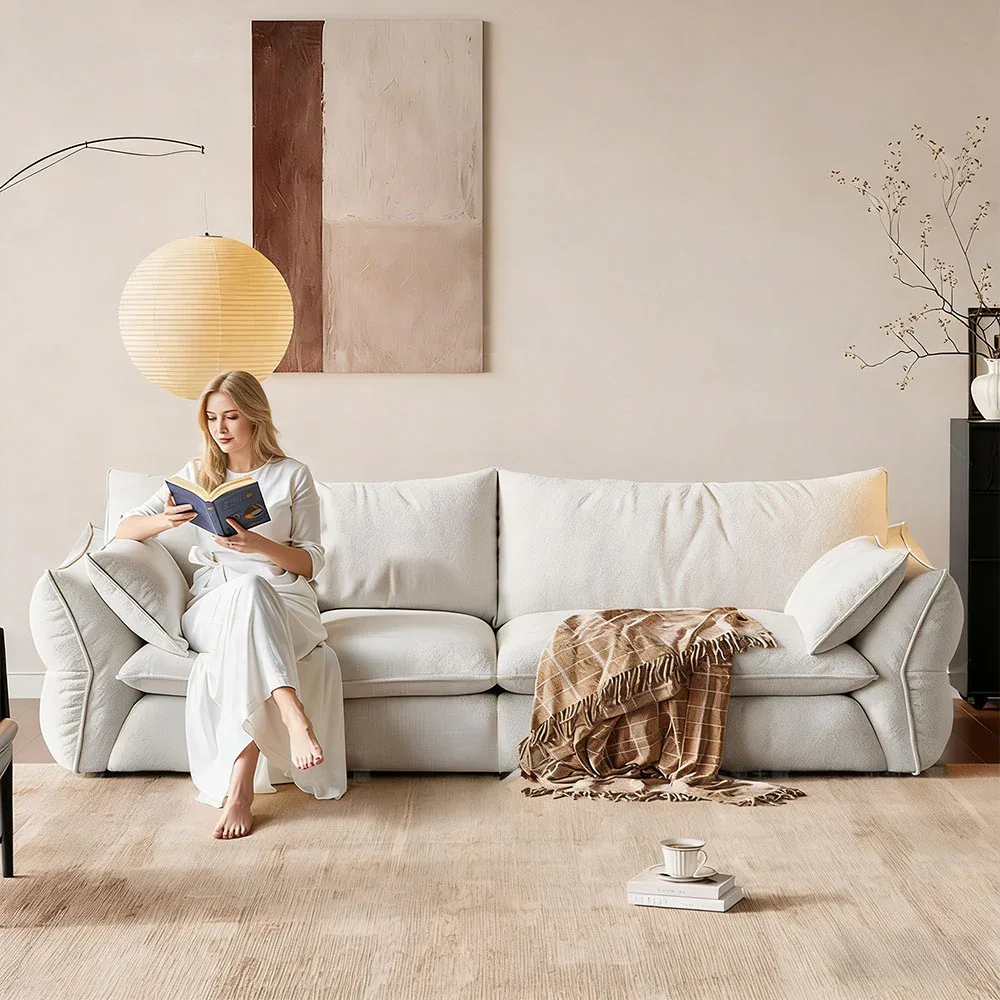
For years, furniture was mostly treated as something that filled the space in your home. A sofa belonged in the living room, a dining table in the dining area, and a bed in the bedroom. Each piece had a clear purpose, and the home was designed around fixed spaces.
But that old idea no longer fits the way people live today. Homes are now offices, wellness corners, family spaces, entertainment zones, creative studios, quiet retreats, and sometimes all of those things in the same day.
This shift has been building for years. Urbanization, remote work, shrinking square footage, and a growing appetite for meaningful spaces have collectively pushed design into new territory.
People are no longer asking only whether furniture looks good. They want to know whether it can support real life. Can it adapt? Can it make a space feel calmer? Can it save room without making the home feel cold or mechanical? Can it bring beauty, function, and intelligence together without losing warmth?
The Problem with Static Design
For most of the twentieth century, furniture design was mostly about three things: it looked good, it lasted long, and it stayed put. Beauty and function existed in separate lanes, rarely meeting in the middle.
Now, things are different. Homes are no longer static environments — they are evolving systems. They change with daily routines, emotional needs, family patterns, work habits, and personal style.
It’s become completely normal for a living room to double as an office and for a bedroom to be treated as a sanctuary, a reading nook, or even a gym. The furniture in these spaces, if it can’t adapt, becomes an obstacle rather than an asset.
This is especially true in modern apartments, compact homes, and flexible family spaces. People want rooms that can shift from one purpose to another without needing major changes. They want pieces that help them live more freely.
This reality has exposed the gap between how our interiors look and how they need to perform. A new generation of furniture thinking is emerging to fill that gap.
The Concept of Adaptive Living
The idea of adaptive home design isn’t entirely new. Convertible furniture, modular shelving, and foldable frames have existed in various forms for decades. But what’s different now is the layer of intention behind the design (and increasingly, the layer of intelligence embedded within it).
Furniture is shifting from decoration to interaction.
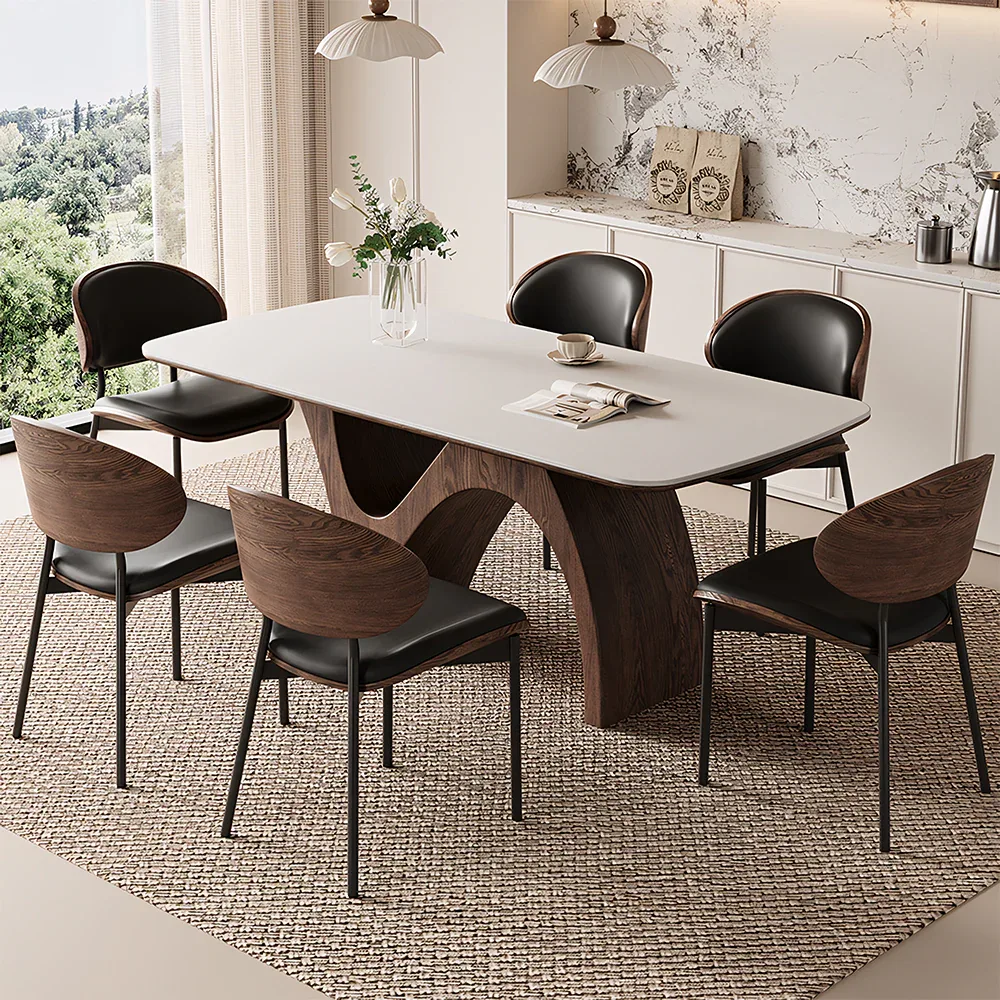
As such, the premise gaining traction across the design world in 2026 is that a well-designed piece of furniture should play a participatory role in a space rather than just occupying it. That means responding to the people who use it, adapting to the rhythms of daily life, and doing so without demanding attention or technical expertise from the user.
The most compelling work happening in the field of modern living design merges three things that have historically been treated as separate: aesthetic beauty, genuine utility, and human-centered technology. When all three come together well, the result is a living space that adapts to the needs of the day.
To put it simply: design today must respond, not just exist.
The strongest furniture brands in 2026 are likely to be the ones that understand this change and are willing to rethink what furniture is supposed to do in the first place.
Arrtle Understands the Assignment: Bringing Art, Intelligence, and Multifunctional Living into the Modern Home
Arrtlehas differentiated itself from traditional furniture companies with the belief that a modern home is a living ecosystem where art, technology, and function can coexist.
Every curve, material choice, and structural decision for Arrtle furniture is made with the same emotional attention that a sculptor or painter would bring to their work. That’s the reason their pieces don’t feel like manufactured goods. They give the impression that they were made by someone who cares and notices the smallest details.
But that aesthetic intention doesn’t come at the expense of practicality. Arrtle’s approach to multifunctional furniture design treats adaptability as a form of respect for the user. A sofa that becomes a bed, a table that transforms from dining to working, or a storage piece that reveals itself as something sculptural is meant to solve real, everyday problems.
And then there’s the technology. In an industry where “smart” usually means cold or clinical, Arrtle’s integration of intelligent features takes a deliberately warmer direction. The brand’s smart furniture line, featuring power reclining sofas and intelligent nightstands, is designed to respond to human behavior and feel intuitive. The goal isn’t to impress you.
Arrtle’s products don’t ask you to adjust your life around them. They adjust around your life.
Arrtle’s Different Kind of Design Leadership
Arrtle stands out in the market because it’s not focused on making intelligent furniture that catches the eye or tries too hard to sell itself. The brand genuinely wants to change how people think about furniture.
It has no interest in joining the race to make furniture look trendy or high-tech. It’s more focused on thinking about how multifunctional furniture can make the home feel more beautiful, useful, and human.
No number of smart features or technical details can make a piece of furniture “intelligent”. It also has to bring warmth, beauty, and emotion into everyday spaces.
You can see this in the way Arrtle talks about quality. Its focus on testing, durability, and personalized product reports shows that the brand cares about furniture that lasts. This is a rare concept in the current furniture market, where many pieces are bought quickly and replaced just as quickly.
Arrtle also prioritizes sustainability, from the materials it uses to the way its products are packaged. This supports the idea that truly smart furniture is also made with the future in mind.
The Future of Living Is More Responsive
As cities grow denser and the lines between work, rest, and creativity continue to blur, the pressure on a smart living space is expected to intensify. Homes will need to do more, and the furniture design industry will need to rise to meet that.
This goes beyond experimenting with new materials, colors, or shapes. The idea is to support a new relationship between people and the spaces they live in. That means furniture can no longer be treated as something passive. It has to help create flow, comfort, and flexibility.
People will want fewer pieces that can do more, last longer, and feel more connected to the way they actually live. For brands like Arrtle, this future opens the door to a deeper kind of design thinking.