
How Big Do House Flies Get? A House Cleaning Guide to Keep Pests Away
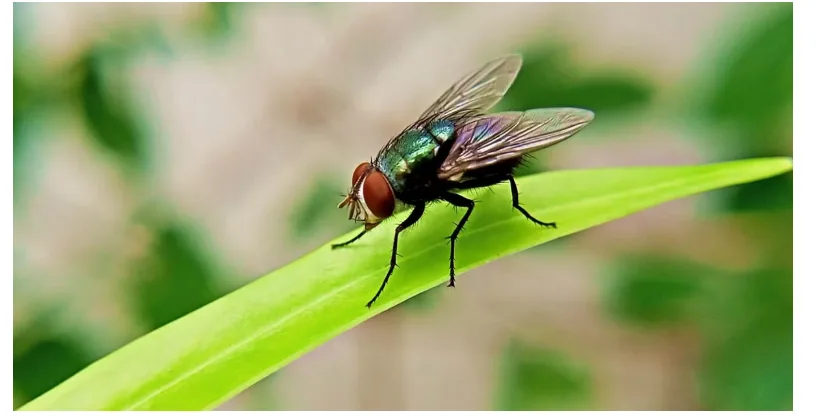
House flies, scientifically known as Musca domestica, are among the most common pests that invade our homes. While these tiny creatures may seem harmless at first glance, they can quickly become a nuisance and even a health hazard. One common question homeowners often ask is, “How big do house flies get?” The answer may surprise you!
In this article, we’ll explore the size of house flies, their behavior, and—most importantly—how house cleaning plays a vital role in keeping these pesky invaders at bay. Let’s dive in!
How Big Do House Flies Actually Get?
On average, house flies grow to be between 6 to 7 millimeters (about 0.24 to 0.28 inches) in length. While this size may seem small, their presence is hard to ignore due to their rapid movement, loud buzzing noise, and tendency to swarm around food or trash.
Interestingly, the size of a house fly can vary based on environmental factors such as temperature, food availability, and humidity. In optimal conditions, house flies grow to their maximum size and can become even more active, increasing their nuisance factor.
Why Are House Flies a Problem?
House flies are more than just annoying pests—they can also pose serious health risks to your household. Here’s why:
- Carriers of Diseases: House flies are known to carry over 65 diseases, including salmonella, E. coli, and cholera. They pick up pathogens from decaying matter and transfer them to your food, utensils, and countertops.
- Rapid Reproduction: A single female house fly can lay up to 500 eggs in her lifetime, which means a small infestation can quickly turn into a major problem. Their larvae, commonly known as maggots, thrive in dirty and moist environments like garbage bins or uncleaned drains.
- Contamination: Flies feed on a variety of unsanitary materials, including feces, garbage, and rotting food. When they land on clean surfaces, they leave behind bacteria, which can contaminate your home.
House Cleaning: Your First Line of Defense Against House Flies
The good news is that a clean home is your best defense against house flies. By maintaining a proper cleaning routine, you can significantly reduce the chances of an infestation. Below are some house cleaning tips to keep these pests away:
1. Regularly Take Out the Trash
Garbage bins are a magnet for house flies, especially if they contain food scraps or organic waste. To prevent flies from breeding in your trash:
- Use garbage bags and tie them securely before disposal.
- Empty indoor trash bins at least once a day, especially in the kitchen.
- Clean trash cans regularly with soap and water to remove any residue.
2. Clean Dirty Dishes Immediately
Dirty dishes left in the sink can attract flies in no time. To avoid this:
- Wash dishes immediately after meals.
- If you can’t wash them right away, rinse them to remove food particles and cover the sink with a drain stopper.
3. Eliminate Moisture and Stagnant Water
Flies are attracted to moist environments. Here’s how to tackle this:
- Fix any leaking taps or pipes.
- Wipe down wet surfaces in the kitchen and bathroom.
- Make sure your drains are clean and free of clogs.
4. Store Food Properly
Proper food storage is crucial to keep house flies from contaminating your meals. Follow these steps:
- Store perishable food in airtight containers or inside the refrigerator.
- Keep fruit baskets covered with a net or lid.
- Avoid leaving pet food out for extended periods.
5. Keep Windows and Doors Sealed
Flies often enter homes through open windows and doors. To prevent this:
- Install fine mesh screens on windows and doors.
- Use weather stripping to seal gaps and cracks.
- Keep doors closed when not in use.
6. Deep Clean Problem Areas
Certain areas in your home are more prone to fly activity. Pay extra attention to these:
- Drains: Clean kitchen and bathroom drains regularly with a mixture of baking soda and vinegar, followed by hot water.
- Under Appliances: Sweep and mop under refrigerators, ovens, and other appliances to remove crumbs and debris.
- Outdoor Areas: Keep your yard clean by disposing of pet waste and covering compost bins.
7. Use Natural Fly Repellents
If you’re looking for eco-friendly ways to keep flies at bay, try these natural solutions:
- Essential Oils: Peppermint, eucalyptus, and lavender oils are known to repel flies. Mix a few drops with water in a spray bottle and use it around your home.
- Vinegar Traps: Create a DIY fly trap by filling a jar with apple cider vinegar and covering it with plastic wrap. Poke small holes in the wrap to lure flies in.
- Herbs: Planting basil, mint, or rosemary near windows and doors can deter flies from entering your home.
The Role of Professional Cleaning Services
For severe infestations or if you’re short on time, hiring a professional cleaning service can be a lifesaver. These experts can perform deep cleaning tasks that are often overlooked, such as sanitizing hidden corners, cleaning air vents, and treating problem areas with pest repellents.
Preventing House Flies: Long-Term Solutions
In addition to regular cleaning, consider these long-term strategies to keep your home fly-free:
- Invest in Fly Screens: Fly screens on windows and doors are an inexpensive yet effective way to keep flies out.
- Use UV Fly Traps: These traps attract flies with UV light and capture them, preventing further breeding.
- Maintain Your Yard: Trim overgrown vegetation, dispose of fallen fruit, and ensure garbage bins are sealed.
Conclusion
House flies may be small, but their impact on your home’s cleanliness and health can be significant. By understanding their size, behavior, and breeding habits, you can take proactive steps to keep them away. Remember, a clean home is a fly-free home, and maintaining a consistent cleaning routine is the key to success.
If you’re dealing with a house fly problem, now is the time to act. Implement the cleaning tips above, and enjoy a cleaner, healthier living space. After all, your home deserves nothing less than the best!