
CNC Acrylic Service: Precision Custom Machining for High-Quality Acrylic Parts
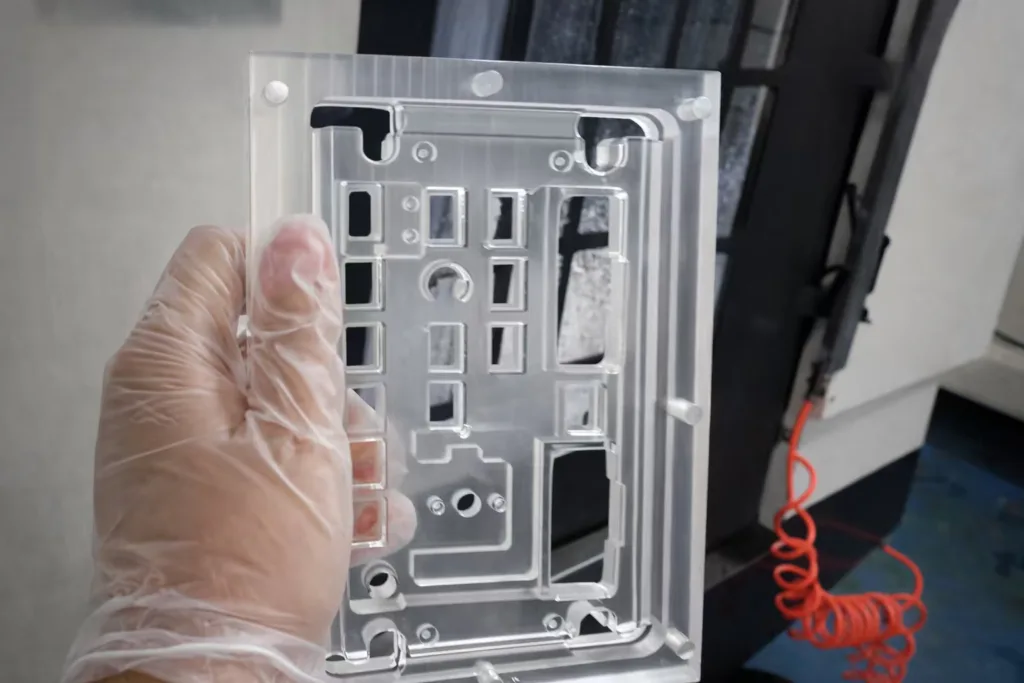
In today’s manufacturing landscape, precision and consistency are no longer optional. Whether it’s a custom display, industrial component, or branded signage, businesses need parts that meet exact specifications while maintaining visual quality. This is where CNC acrylic service plays a key role.
CNC acrylic machining combines advanced computer-controlled technology with the versatility of acrylic material to deliver accurate, repeatable, and clean results. It allows manufacturers to produce everything from simple panels to complex geometries without sacrificing quality or efficiency.
Understanding CNC Acrylic Service
CNC acrylic service refers to the process of shaping acrylic sheets or blocks using computer numerical control (CNC) machines. These machines operate based on pre-programmed instructions, ensuring every cut, drill, and contour follows precise design specifications.
Unlike manual fabrication methods, CNC machining removes material in a controlled and consistent way. This results in tighter tolerances, smoother finishes, and better overall product quality.
Acrylic, also known as PMMA, is widely used because it offers excellent optical clarity, durability, and weather resistance. It is often chosen as a safer and lighter alternative to glass, especially in applications where both strength and transparency matter.
Why Acrylic Is Ideal for CNC Machining
Acrylic stands out as a machining material because of its balance between performance and workability. It allows manufacturers to achieve high-quality results without the challenges associated with harder or more brittle materials.
One of the most important advantages is its optical clarity. Acrylic can transmit up to 92% of visible light, making it perfect for applications where transparency is essential. At the same time, it is significantly lighter than glass, which reduces handling and installation challenges.
Another key factor is its resistance to environmental conditions. Acrylic performs well outdoors, maintaining its clarity and structure even when exposed to UV light or moisture. This makes it suitable for both indoor and outdoor applications.
Additionally, acrylic is relatively easy to machine when the correct tools and settings are used. This allows for clean cuts, detailed features, and smooth edges without excessive post-processing.
Key Benefits of CNC Acrylic Service
One of the biggest reasons businesses choose CNC acrylic machining is the level of precision it offers. CNC machines can achieve extremely tight tolerances, ensuring that every part matches the design exactly. This is especially important for components that need to fit into assemblies or meet strict dimensional requirements.
Another major benefit is consistency. Once a design is programmed, the same part can be reproduced multiple times with identical quality. This is essential for scaling production without compromising accuracy.
Surface finish is also a strong advantage. CNC machining produces clean and smooth edges, and with additional finishing techniques like polishing, the final product can achieve a high-gloss, transparent appearance.
From a cost perspective, CNC acrylic service is highly efficient for both prototypes and small to medium production runs. It eliminates the need for expensive molds or tooling, which makes it a flexible option for custom projects.
Finally, CNC machining allows for complex designs that would be difficult or impossible to achieve with manual methods. Multi-axis machines can create intricate shapes, curves, and internal features with high precision.
How the CNC Acrylic Machining Process Works
The process begins with a digital design created using CAD software. This design defines every detail of the part, including dimensions, geometry, and tolerances.
Once the design is finalized, it is converted into machine instructions through CAM software. These instructions guide the CNC machine on how to move, cut, and shape the acrylic material.
The acrylic sheet or block is then securely fixed onto the machine bed. Proper positioning is important to ensure stability and accuracy during machining.
During the machining phase, specialized cutting tools remove material step by step. The cutting speed, feed rate, and tool selection are carefully controlled to prevent issues like melting or cracking.
After machining, the part may go through finishing processes such as sanding, polishing, or coating. These steps enhance both the appearance and performance of the final product.
Common Applications of CNC Acrylic Parts
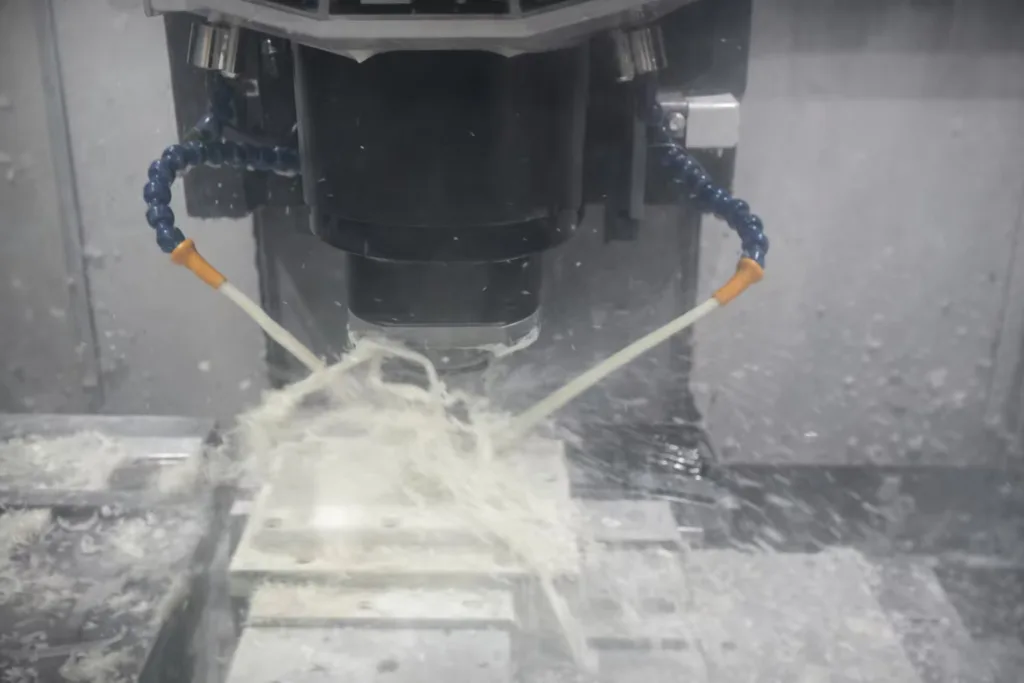
CNC acrylic service is used across a wide range of industries due to its flexibility and performance.
In the signage industry, acrylic is commonly used for illuminated signs, logos, and retail displays. Its transparency and smooth finish make it ideal for branding and visual presentation.
In lighting applications, acrylic is often used for diffusers and covers. Its ability to distribute light evenly makes it a popular choice in LED systems.
The automotive industry uses acrylic for components such as light covers and interior panels, where both durability and aesthetics are important.
In medical environments, acrylic is valued for its cleanliness and resistance to chemicals, making it suitable for protective barriers and equipment enclosures.
Architecture and construction projects also rely on acrylic for decorative panels, partitions, and modern design elements.
CNC vs Laser Cutting for Acrylic
While both CNC machining and laser cutting are used for acrylic, they serve different purposes.
Laser cutting is generally faster and works well for simple shapes. However, it uses heat, which can sometimes cause melted edges or slight distortions.
CNC machining, on the other hand, is a mechanical process that delivers better dimensional accuracy and cleaner edges. It is the preferred choice for projects that require tight tolerances and high-quality finishes.
Important Design Considerations
Design plays a critical role in achieving the best results with CNC acrylic machining. Small adjustments in design can significantly impact both quality and cost.
For example, sharp internal corners should be avoided because cutting tools naturally create rounded edges. Maintaining consistent wall thickness helps prevent stress points and improves structural integrity.
It is also important to consider tool size when designing detailed features. Allowing proper spacing ensures that the machine can accurately reproduce the design.
By optimizing the design for CNC machining, you can reduce production time, minimize material waste, and improve the final outcome.
Challenges in CNC Acrylic Machining
Although acrylic is a versatile material, it does present some challenges during machining.
One of the main concerns is heat sensitivity. If the cutting speed is too high or the tool is not suitable, the material can melt instead of cutting cleanly.
Acrylic can also be brittle in certain conditions, which means improper handling or design can lead to cracks. Surface scratches are another issue, especially if the material is not handled carefully during or after machining.
These challenges can be effectively managed by using the right tools, optimizing machining parameters, and applying proper finishing techniques.
Choosing the Right CNC Acrylic Service Provider
Selecting the right machining partner is essential for achieving high-quality results. A reliable provider will have experience working with acrylic and understand how to handle its unique properties.
Look for a company that offers advanced CNC equipment, strong quality control processes, and the ability to handle custom requirements. Communication is also important, especially for complex projects where design adjustments may be needed.
Working with an experienced provider ensures that your parts are produced accurately, efficiently, and according to your specifications.
Conclusion
CNC acrylic service offers a powerful combination of precision, flexibility, and material performance. It enables businesses to create high-quality custom parts that meet both functional and aesthetic requirements.
From concept to final product, CNC machining ensures accuracy, consistency, and efficiency at every stage. Whether you are developing prototypes or scaling production, investing in CNC acrylic service is a practical and reliable solution for modern manufacturing needs.
FAQs About CNC Acrylic Service
What thickness of acrylic can be CNC machined?
CNC machines can handle a wide range of acrylic thicknesses, from thin sheets (around 1 mm) to thick blocks exceeding 50 mm. The choice depends on the application and design requirements.
Is CNC acrylic machining better than laser cutting?
It depends on the project. CNC machining is better for precision, smooth edges, and complex designs, while laser cutting is faster for simple shapes.
Can CNC acrylic parts be polished?
Yes, acrylic parts can be polished after machining to achieve a clear, glass-like finish. Flame polishing and mechanical polishing are commonly used methods.
How accurate is CNC acrylic machining?
CNC machining can achieve tolerances as tight as ±0.05 mm, depending on the machine and design complexity.
Is acrylic durable for outdoor use?
Yes, acrylic is UV-resistant and performs well in outdoor environments without significant degradation over time.
What industries use CNC acrylic services?
Industries such as signage, lighting, automotive, medical, and construction widely use CNC acrylic parts for both functional and decorative applications.