
Psilocybin Dosage: Understanding Safe and Effective Use in Modern Therapy
Psilocybin dosage is one of the most important factors influencing both the safety and effectiveness of psychedelic-assisted treatments. As research expands across the United States, clinicians are placing strong emphasis on recommended psilocybin dosage guidelines to ensure controlled, therapeutic outcomes. Whether used in clinical trials or regulated settings, dosage plays a central role in shaping the patient experience and long-term benefits.
What Determines Psilocybin Dosage?
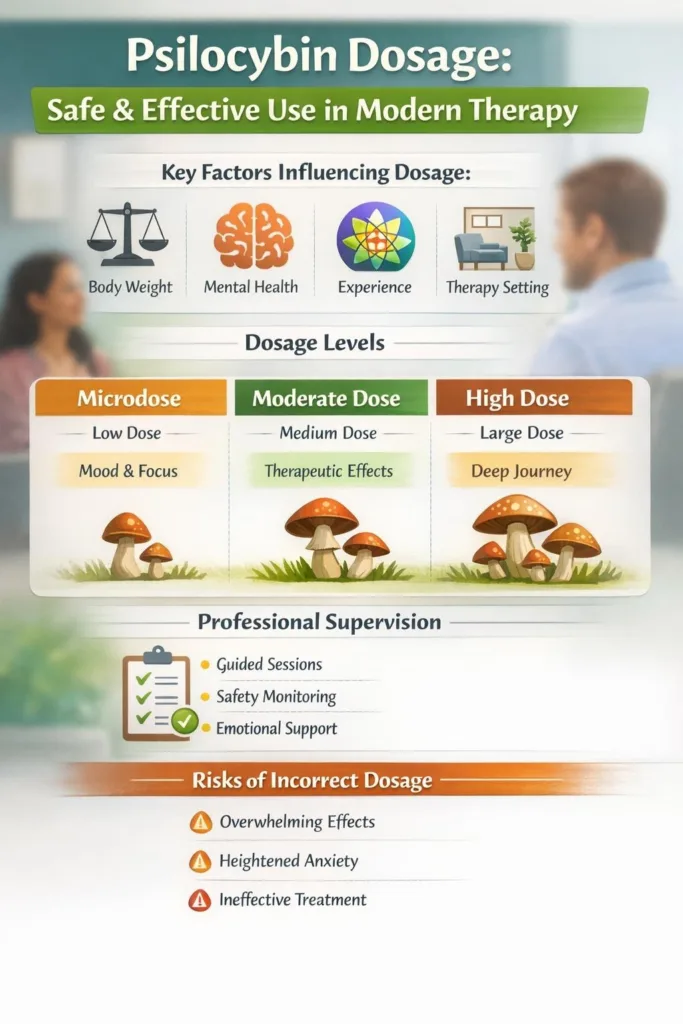
Psilocybin dosage is not a one-size-fits-all approach. Several factors influence how much is considered appropriate in a therapeutic setting.
Key Factors That Affect Dosage
- Body weight and metabolism
- Mental health condition being treated
- Previous experience with psychedelics
- Therapeutic goals and environment
Clinicians rely on recommended psilocybin dosage guidelines to tailor treatments to individual needs, ensuring both safety and effectiveness.
Common Dosage Categories in Clinical Settings
In medical and research environments, psilocybin doses are typically categorized into different levels depending on the intended therapeutic effect.
Microdose (Sub-Perceptual)
- Very small amounts
- No noticeable psychedelic effects
- May support mood and focus
Moderate Dose
- Mild perceptual changes
- Increased emotional awareness
- Often used in structured therapy
High Dose (Macrodose)
- Deep psychological experiences
- Altered perception and introspection
- Typically used in supervised sessions
These categories are carefully aligned with recommended psilocybin dosage guidelines, especially in clinical trials and regulated programs.
Importance of Professional Supervision
Psilocybin should never be used casually when the goal is therapeutic benefit. Supervision by trained professionals is essential.
Why Supervision Matters
- Ensures accurate dosing and monitoring
- Reduces risk of anxiety or distress
- Provides psychological support during sessions
- Facilitates integration after the experience
In the emerging field of psychedelic-based medicine, safety protocols and professional oversight are becoming standardized as research evolves.
Risks of Incorrect Dosage
Using too much or too little psilocybin can significantly affect outcomes. Incorrect dosage may reduce effectiveness or increase risks.
Potential Risks Include
- Overwhelming psychological experiences
- Heightened anxiety or confusion
- Lack of therapeutic benefit at low doses
- Increased vulnerability without proper support
Following recommended psilocybin dosage guidelines helps minimize these risks and ensures a more controlled therapeutic process.
Psilocybin Dosage in Research and Therapy
Clinical studies across the US are refining dosage strategies to optimize outcomes for different conditions.
Current Research Focus
- Standardizing dosage ranges for depression and PTSD
- Exploring personalized dosing models
- Evaluating long-term effects of single vs. multiple sessions
The emerging field of psychedelic-based medicine continues to evolve, with dosage optimization playing a key role in its advancement.
Future Outlook for Psilocybin Dosage Standards
As regulations shift and research expands, clearer dosage frameworks are expected to emerge.
What to Expect
- FDA-reviewed treatment protocols
- Increased training for therapists and facilitators
- Broader access to regulated therapy programs
- Continued growth of the emerging field of psychedelic-based medicine
The integration of science-backed recommended psilocybin dosage guidelines will be essential in making these therapies widely accepted and accessible.
FAQs About Psilocybin Dosage
1. What is a typical psilocybin dose in therapy?
Therapeutic doses vary but often range from moderate to high levels under professional supervision.
2. Is microdosing effective?
Microdosing is being studied for mood and cognitive benefits, but more research is needed to confirm its effectiveness.
3. Can dosage vary from person to person?
Yes, factors like body weight, mental health, and experience level all influence appropriate dosage.
4. Is it safe to determine dosage on your own?
No, it is strongly recommended to follow professional guidance and established dosage frameworks.
5. Why is dosage important in psychedelic therapy?
Proper dosage ensures safety, enhances therapeutic outcomes, and supports the goals of the emerging field of psychedelic-based medicine.