
AI Image Generation Benefits for 2026
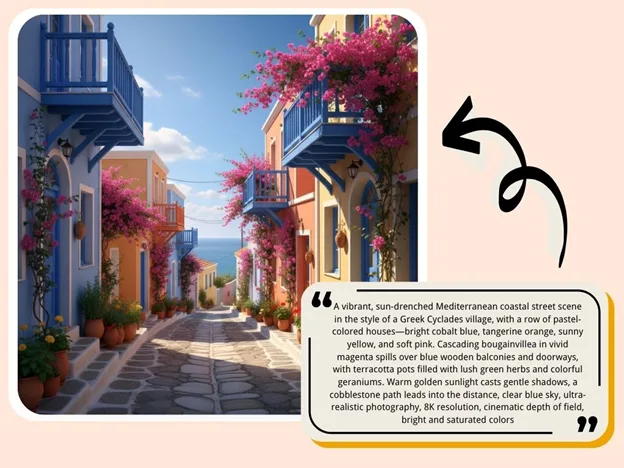
Artificial intelligence is reshaping how we create visual content. For marketers, designers, and creators, AI image generation unlocks new levels of efficiency and imagination. These tools translate simple text descriptions into detailed pictures, saving countless hours and expanding creative possibilities. If you want to stay ahead, understanding the benefits of this technology is essential.
AI-powered tools offer more than just speed. They democratize the creation process, allowing anyone to produce high-quality visuals without needing years of design experience. This opens up new avenues for marketing campaigns, product design, and personal projects. By handling the technical aspects of image creation, these platforms free you up to focus on the bigger picture and your core ideas.
Top AI Image Generation Applications
Here are the top applications of AI image generation that deliver powerful benefits for creators and businesses. We’ll explore how each method works and which tools can help you get started.
Top 1: AI for Text-to-Image Creation
Product Name: PhotoEditorAI.io
Overview
The most popular benefit of AI image generation is the ability to create entirely new visuals from text prompts. You simply describe the image you want, and the AI builds it from scratch. This is perfect for brainstorming concepts, creating unique marketing assets, or producing artwork without hiring a graphic designer. A Free AI Image Generator Online makes this technology accessible to everyone, allowing for rapid ideation and content creation. This process removes the barrier between a creative idea and a finished visual, enabling you to bring your vision to life in seconds.
Key Features
* Natural Language Processing: Understands complex, descriptive prompts to generate accurate images.
* Multiple Style Options: Can create images in various styles, including photorealistic, cartoon, fantasy, and abstract.
* High-Resolution Output: Generates images suitable for digital use and even print applications.
* Fast Generation Times: Produces multiple image variations from a single prompt in under a minute.
Pros & Cons
| Pros | Cons |
| Unlocks limitless creative potential | Requires practice to write effective prompts |
| Drastically reduces content creation time | AI can sometimes misinterpret abstract concepts |
| Cost-effective alternative to stock photos | Outputs may need minor touch-ups |
| Allows for easy A/B testing of visual concepts | Specific brand elements can be hard to replicate |
Best For
This approach is best for marketers, content creators, and small business owners who need a constant stream of unique visuals for social media, blogs, and advertisements. It’s also an invaluable tool for authors and artists looking to visualize characters, scenes, and concepts quickly.
Top 2: AI for Image-to-Image Transformation
Product Name: PhotoEditorAI.io
Overview
Another significant benefit comes from transforming existing images. Instead of starting with a blank canvas, you provide a source image and a text prompt to guide the AI’s modifications. This gives you more control over the final composition, style, and subject matter. Using a free image to image generator, you can iterate on existing designs, change the style of a photograph, or add new elements to a picture with incredible precision. This method bridges the gap between pure AI generation and traditional photo editing, offering a powerful hybrid workflow.
Key Features
* Style Transfer: Apply the artistic style of one image to the content of another.
* Controlled Modification: Use a source image to control the layout and composition of the generated output.
* Element Addition and Removal: Add new objects or characters to a scene based on text prompts.
* Creative Iteration: Quickly generate dozens of variations of an existing image or design.
Pros & Cons
| Pros | Cons |
| Greater control over the final image composition | Output quality depends on the source image |
| Perfect for refining or reimagining existing assets | Can be more complex than simple text-to-image |
| Allows for consistent character and object design | The AI might alter unintended parts of the image |
| Speeds up the design iteration process significantly | Requires both a good image and a good prompt |
Best For
Image-to-image generation is ideal for graphic designers, artists, and product developers who need to iterate on a specific visual concept. It’s also useful for anyone wanting to repurpose existing photos, create stylized avatars, or explore creative variations of a logo or character design.
Comparison Summary
Choosing the right AI generation method depends on your specific goals. While both text-to-image and image-to-image offer incredible benefits, they serve different creative needs. Text-to-image is about creating something entirely new from pure imagination, while image-to-image focuses on transforming what already exists.
Here’s a direct comparison to help you decide which approach fits your project.
| Feature | Text-to-Image Generation | Image-to-Image Generation |
| Starting Point | Text Prompt Only | Source Image + Text Prompt |
| Creative Control | High (based on prompt detail) | Very High (composition controlled by image) |
| Primary Use Case | Creating new concepts and visuals | Modifying or restyling existing images |
| Ease of Use | Very easy to start | Slightly more complex setup |
| Best For | Brainstorming, unique content | Design iteration, style transfer |
Both methods streamline the creative process, but your starting point determines the best tool for the job. If you have a clear idea but no visual, start with text. If you have a visual that needs a change, use image-to-image.
Final Recommendation
For businesses and creators looking to maximize their visual content output in 2026, embracing AI image generation is no longer optional. The technology offers unparalleled speed, cost savings, and creative freedom.
For those just starting, text-to-image generation is the perfect entry point. It’s intuitive and immediately demonstrates the power of AI in creating stunning, original visuals from a simple idea. It’s the best way to fill your content calendar with unique images that capture your audience’s attention.
For designers and artists who need more control, image-to-image generation is a powerful tool for iteration and refinement. It allows you to build upon existing work, ensuring consistency while exploring new creative directions. Integrating this into your workflow can significantly accelerate project timelines and enhance the final product.
Ultimately, the best strategy is to use both. A comprehensive creative workflow can involve using a text-to-image generator for initial concepts and then refining the best results with an image-to-image tool. By leveraging both applications, you can build a highly efficient and endlessly creative content engine.