
Dragon Pharma Peptides: A Research-Based Guide to Peptides Studied for Muscle Growth

Interest in the biological mechanisms behind muscle growth has expanded significantly in recent years. Researchers exploring recovery, tissue repair, and hypertrophy increasingly rely on Peptides for Research to better understand how cellular signaling influences muscle adaptation.
Rather than focusing on marketing claims, scientific inquiry examines how specific peptide pathways affect protein synthesis, inflammation control, and regeneration.
Within this research landscape, certain peptides, such as BPC-157, Ipamorelin, and others are frequently studied for their potential roles in muscle repair and recovery mechanisms.
This article provides a neutral, evidence-based overview of peptides commonly examined in muscle-related research, along with practical guidance on quality standards and sourcing when laboratories buy peptides online.
Understanding Muscle Growth at the Cellular Level
Muscle hypertrophy is driven by a combination of mechanical stress and molecular signaling. When muscle fibers experience strain, the body initiates a repair process that can lead to increased size and strength.
Key biological processes include:
- Activation of satellite (muscle stem) cells
- Increased muscle protein synthesis through mTOR signaling
- Growth factor activity, including IGF-related pathways
- Regulation of inflammation and tissue remodeling
Because these processes rely on highly specific molecular signals, peptides are valuable tools for isolating and studying individual mechanisms in controlled laboratory environments.
Peptides for Research in Muscle Growth Studies
The term Peptides for Research refers to laboratory-grade compounds manufactured strictly for investigational use. These materials are not intended for human consumption and are used to explore biological pathways under controlled conditions.
Research-grade peptides typically include:
- Verified amino acid sequence accuracy
- High purity levels (often ≥98%)
- Analytical validation via HPLC and mass spectrometry
- Batch-level traceability and Certificates of Analysis (COAs)
Maintaining these standards is essential for reproducibility and for meeting publication and institutional requirements.
Common Peptides Studied for Muscle Growth and Recovery
In scientific literature and experimental models, several peptides are frequently examined for their potential roles in muscle repair, recovery, and growth signaling. These examples illustrate how researchers categorize peptides based on biological function rather than performance claims.
1. BPC-157 (Body Protection Compound)
Dragon Pharma BPC-157 peptide is studied primarily for its potential role in tissue repair and healing mechanisms.
Research interest focuses on:
- Tendon-to-bone healing models
- Collagen synthesis and connective tissue repair
- Angiogenesis (formation of new blood vessels)
- Inflammation modulation
Because muscle adaptation relies heavily on recovery and structural integrity, BPC-157 is often included in experimental injury and regeneration studies.
2. Ipamorelin
Ipamorelin peptide is a growth hormone–releasing peptide (GHRP) studied for its selective stimulation of growth hormone signaling pathways.
Research applications include:
- Investigating GH-related effects on muscle protein synthesis
- Studying recovery and tissue regeneration signaling
- Evaluating receptor-specific activity with minimal off-target effects
Its receptor selectivity makes Ipamorelin a useful tool for controlled endocrine signaling studies.
3. CJC-1295 (Research Models)
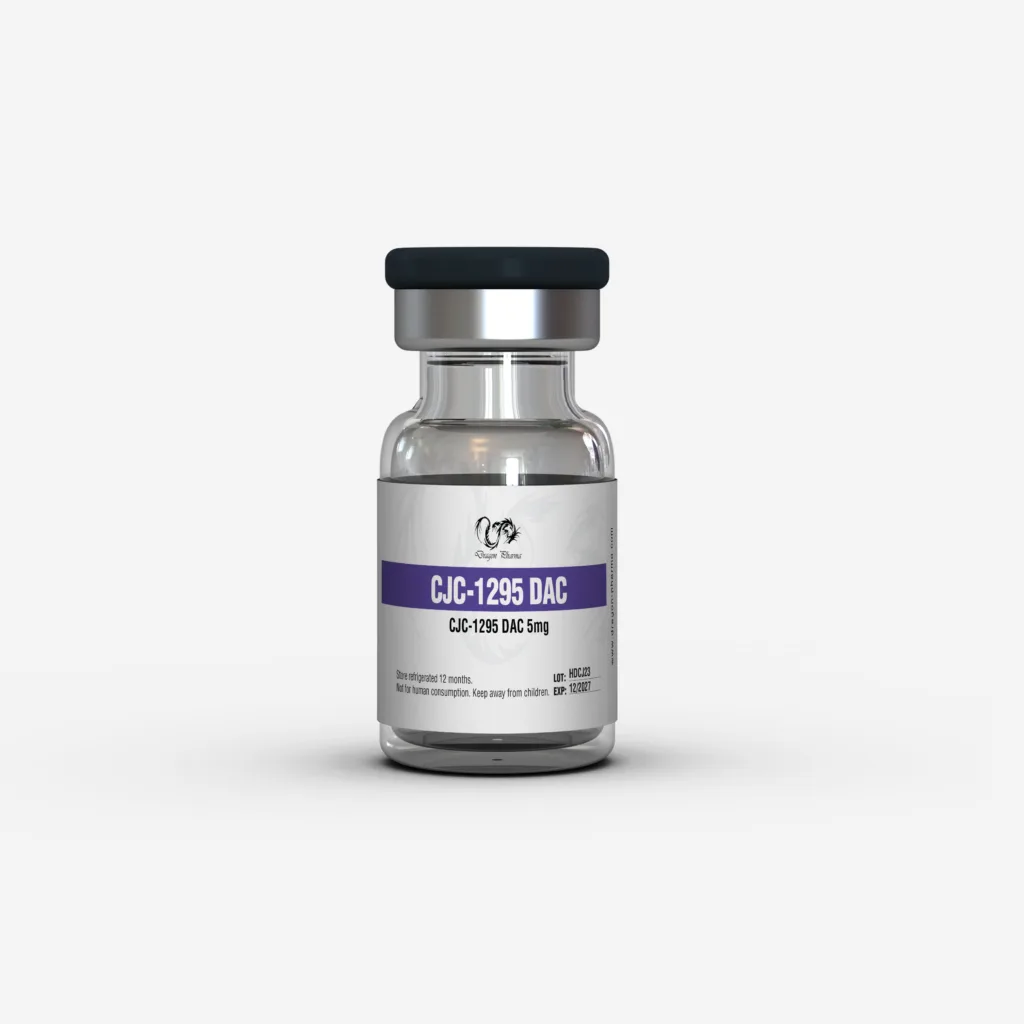
Often studied alongside growth hormone–releasing peptides, CJC-1295 is examined for its role in prolonging growth hormone signaling.
Research interest includes:
- Sustained GH pathway activation models
- Effects on IGF-1–related signaling
- Long-term endocrine regulation mechanisms
When paired with peptides like Ipamorelin in experimental settings, researchers can study pulsatile versus sustained signaling effects.
4. IGF-1 Analog Peptides
Insulin-like growth factor pathways play a central role in muscle hypertrophy. IGF-related peptides are studied for:
- Activation of satellite cells
- Direct stimulation of muscle protein synthesis
- Interaction with mTOR signaling
These models help researchers understand the downstream effects of growth hormone pathways.
5. Recovery and Anti-Inflammatory Signaling Peptides
Some peptides are investigated for their ability to regulate inflammation, oxidative stress, and recovery timelines—critical factors in muscle adaptation after mechanical stress.
What Makes a Peptide “Best” in Research?
In scientific terms, the “best peptides for muscle growth” are those that produce consistent and reproducible experimental results.
Key evaluation factors include:
- Purity: Impurities may alter cellular responses
- Sequence integrity: Even minor synthesis errors affect activity
- Stability: Degradation reduces effectiveness in models
- Documentation: COAs and analytical data must be available
Any peptide for sale lacking these elements introduces unnecessary experimental risk.
Sourcing Considerations When You Buy Peptides Online
As more laboratories buy peptides online, supplier evaluation has become a critical part of experimental design.
Due diligence checklist:
- Is third-party purity testing available?
- Are HPLC chromatograms or mass spec results provided?
- Are batch numbers consistent across orders?
- Are cold-chain shipping and storage guidelines disclosed?
Reliable sourcing ensures experimental consistency across multiple study phases.
The Role of US Made Peptides
Many procurement teams prioritize US made peptides due to perceived regulatory and manufacturing transparency.
Potential advantages include:
- Clearer quality oversight
- Shorter shipping times and reduced degradation risk
- Easier communication and documentation access
However, geographic origin should never replace analytical verification. Testing data remains the primary quality indicator.
Common Pitfalls in Muscle Growth Peptide Research
Even well-designed studies can be compromised by avoidable sourcing and handling errors.
Frequent issues:
- Choosing suppliers based on price alone
- Using inconsistent batches during longitudinal studies
- Improper storage leading to peptide degradation
- Misinterpreting early experimental findings as conclusive
Avoiding these pitfalls improves both data quality and publication success.
Storage and Handling Best Practices
Peptides are sensitive biological materials that require careful handling.
Recommended practices:
- Store lyophilized peptides at recommended low temperatures
- Avoid repeated freeze–thaw cycles
- Use sterile reconstitution techniques
- Maintain detailed batch and expiration records
Proper handling preserves biological activity and ensures reliable results.
Emerging Trends in Muscle Growth Peptide Research
The field continues to evolve with advances in biotechnology and analytical science.
Key trends include:
- Automated synthesis for improved batch consistency
- Increased demand for ultra-high-purity compounds
- Greater transparency requirements from journals and funding bodies
- Integration with genomics, proteomics, and regenerative medicine research
These developments highlight the growing importance of quality and documentation when researchers buy peptides online.
Practical Framework for Research Teams
To ensure reliable outcomes when evaluating a peptide for sale, research teams should:
- Define the biological pathway of interest before selecting peptides
- Standardize supplier evaluation criteria
- Maintain COAs and batch documentation
- Use consistent suppliers across study phases
- Report peptide specifications clearly in publications
This structured approach supports reproducibility and compliance.
Evidence Over Hype
Peptides such as BPC-157, Ipamorelin, CJC-1295, and IGF-related compounds are valuable tools for studying muscle repair, growth signaling, and recovery mechanisms. However, their value lies in controlled laboratory investigation—not marketing claims.
The key takeaway is simple: Peptides for Research should always be selected based on purity, documentation, and supplier transparency. When laboratories apply rigorous standards as they buy peptides online, they strengthen both their experimental outcomes and their scientific credibility.
In a rapidly expanding market, informed sourcing and evidence-based evaluation remain the foundation of high-quality muscle growth research.