
How Tall Should a Wooden Fence Be for Privacy and Safety?
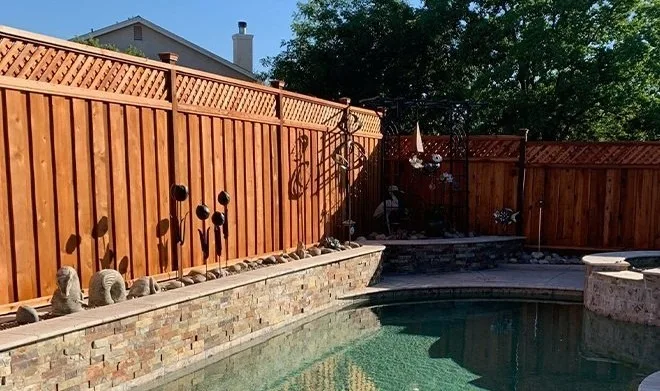
A wooden fence does more than outline a property. It creates privacy, improves safety, and helps define personal space. One of the most common questions homeowners ask is simple but important: how tall should a wooden fence be?
The answer depends on your goals. A fence built mainly for privacy may need a different height than one focused on safety. Local rules, neighbors, and yard layout also play a role.
This guide explains fence height options in a clear, practical way so you can make the right choice without guessing.
Why Fence Height Is a Big Decision
Fence height affects how well a fence works—and how it looks.
The right height can:
- Block unwanted views
- Keep children and pets safe
- Reduce outside noise
- Discourage trespassing
The wrong height can:
- Leave privacy gaps
- Create safety issues
- Break local rules
- Cause neighbor disputes
That’s why height should always be planned, not decided at the last minute.
Standard Wooden Fence Height Options
Most wooden fences fall into a few common height ranges. Each one serves a different purpose.
3–4 Feet: Decorative and Boundary Use
Short fences are best for:
- Front yards
- Garden borders
- Property boundaries
They add style but provide little privacy or security.
5–6 Feet: The Most Popular Choice
This height works well for most homes.
A 6-foot fence:
- Blocks eye-level views
- Provides solid privacy
- Helps keep pets contained
- Creates a clear boundary
Because of this balance, many homeowners choose this option after speaking with highly qualified and experienced wooden fencing professionals about layout and design.
7–8 Feet: Maximum Privacy and Protection
Taller fences are used when privacy or safety is critical.
They are common for:
- Homes near busy roads
- Close neighbor spacing
- Backyards used daily
- Large or athletic dogs
These fences often require stronger posts and extra planning.
Choosing Fence Height for Privacy
Privacy is one of the main reasons people install wooden fences.
Best Height for Privacy
For most yards, 6 feet is enough to block views from neighbors and passersby. In special cases—like sloped land—7 or 8 feet may be more effective.
Privacy Is Not Just About Height
Other factors matter too:
- Board spacing
- Board direction
- Yard elevation
A well-built 6-foot fence with no gaps can provide more privacy than a taller fence with spacing issues.
Fence Height for Safety and Security
Safety needs vary depending on who or what the fence is protecting.
For Children
A safe fence for kids should
Taller fences reduce the chance of children wandering out.
For Pets
Fence height should match pet behavior, not just size.
General guidelines:
- Small dogs: 4–5 feet
- Medium dogs: 5–6 feet
- Large or jump-prone dogs: 6–8 feet
Containment improves safety for both pets and neighbors.
For Property Protection
While fences are not security systems, height helps deter casual entry.
A solid 6-foot fence:
- Creates a clear barrier
- Reduces foot traffic
- Improves perceived security
Strength and construction quality matter as much as height.
Local Rules Can Limit Fence Height
Many cities and counties regulate fence height.
Common restrictions include:
- Shorter fences in front yards
- Taller fences allowed in backyards
- Maximum heights between 6 and 8 feet
Ignoring these rules can lead to fines or forced changes. This is why some homeowners consult a fencing contractor who stands behind their work with warranties, especially when building taller structures.
Front Yard vs Back Yard Fence Height
Fence height rules often depend on placement.
Front Yard
- Usually limited to 3–4 feet
- Designed for visibility and appearance
Back Yard
- Often allows 6–8 feet
- Focused on privacy and safety
Side yards may have mixed rules depending on location.
How Fence Height Affects Neighbors
A fence impacts more than just your property.
Potential concerns include:
- Blocking sunlight
- Changing views
- Making spaces feel closed in
Talking with neighbors before installation can prevent future issues and help find a height that works for everyone.
Is Taller Always Better?
Not always.
Very tall fences:
- Cost more
- Catch more wind
- Require stronger support
- Can overwhelm small yards
The best fence is tall enough to meet your needs—but not taller than necessary.
Matching Fence Height With Design
Design choices can soften the look of taller fences.
Popular options include:
- Decorative top edges
- Stepped heights on slopes
- Mixed materials or trim accents
Good design makes height feel intentional, not heavy.
Final Thoughts
So, how tall should a wooden fence be for privacy and safety?
For most homes:
- 6 feet is the ideal balance
- Taller fences suit high-privacy needs
- Shorter fences work for decorative areas
The right height depends on your goals, local rules, and how the fence will be used. When planned carefully, fence height improves comfort, safety, and long-term satisfaction.
A well-sized wooden fence doesn’t just mark space—it protects it.