
Why More Brands Are Switching to Flexible Packaging
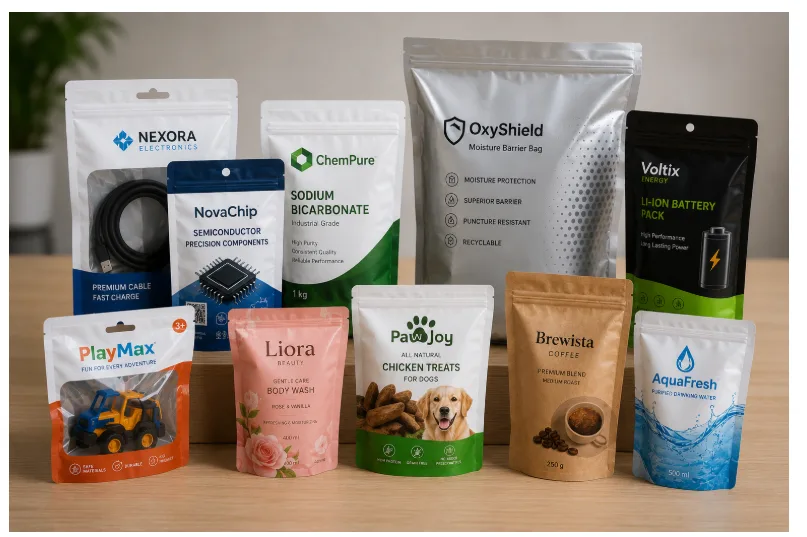
Take a look at how products are packaged today, and you’ll notice a clear shift. Bulky boxes and rigid containers are gradually giving way to lighter, more adaptable formats. This isn’t just about appearance. It reflects how businesses are rethinking efficiency, cost, and sustainability all at once.
More brands are turning to flexible packaging because it solves several challenges at the same time. It reduces costs, improves logistics, and opens up more possibilities for customization. And this shift isn’t limited to one sector. You’ll see it across electronics, chemicals, and personal care, where both protection and presentation play a critical role.
Companies like EONSEN Pack Group are part of this transition, helping brands adapt to modern supply chains and changing product demands.
So what’s really driving this change, and why are so many businesses making the switch?
Cutting Costs Without Cutting Corners
For many companies, the decision starts with one key factor: cost. Flexible packaging uses less material than rigid formats, which immediately helps reduce production expenses. And that’s only part of the picture.
Because it’s lighter and more compact, it lowers shipping and storage costs as well. More units can be packed into the same space, leading to fewer shipments and better use of warehouse capacity. Over time, these savings can have a real impact on overall margins.
Handling also becomes more efficient. Flexible packaging is easier to transport, stack, and manage throughout the supply chain. That means fewer delays and less risk of damage along the way.
In practical terms, businesses benefit from smoother operations and better cost control, without compromising product quality.
Doing More With Less Waste
Sustainability has become a central focus for many brands, especially those that interact directly with consumers. Flexible packaging supports that shift in a very practical way.
Because it requires less raw material, it naturally reduces waste during both production and disposal. Many options today are also designed to be recyclable or made from eco-friendly materials, giving brands more flexibility in meeting their environmental goals.
This matters even more in industries like personal care, where customers are paying closer attention to packaging choices. What a product is packaged in can influence how a brand is perceived.
Using less while maintaining performance helps companies strike a balance between responsibility and efficiency. It’s a small change that can make a noticeable difference in how a brand is viewed.
Keeping Products Safer, Longer
Of course, none of these benefits matter if the product doesn’t arrive in good condition. That’s where flexible packaging continues to prove its value.
Modern materials are designed to protect against moisture, air, and contamination. This is especially important for sensitive products like chemicals and electronics, where even slight exposure can lead to damage or reduced performance.
Flexible packaging is also built to handle the realities of shipping. It can resist punctures, pressure, and movement during transit, helping reduce the risk of product loss.
Manufacturers like EONSEN Pack focus on developing high-performance materials that balance durability with efficiency, ensuring products stay protected from production to delivery.
For businesses, this means fewer returns, less waste, and more reliable outcomes.
Packaging That Actually Helps You Sell
Packaging today does more than protect. It plays a direct role in how products are noticed and chosen.
Flexible packaging gives brands more freedom to create designs that stand out. From custom shapes to high-quality printing, it becomes easier to capture attention both on store shelves and online. That visual impact can influence whether a customer stops to take a closer look.
In competitive markets like personal care, where many products share similar features, packaging often becomes the deciding factor. A well-designed package can create a stronger first impression and build immediate interest.
In that sense, packaging becomes part of the overall customer experience, shaping how people perceive and connect with a product before they even use it.
Built for Brands That Want to Grow
As brands grow, their packaging needs tend to change as well. Flexible packaging makes that transition easier to manage.
It allows companies to scale production without committing to large volumes upfront. This is especially useful for new product launches, seasonal variations, or market testing. Businesses can adjust quickly without taking on unnecessary risk.
It also supports product variation. Whether it’s different sizes, designs, or formats, flexible packaging makes it easier to adapt without slowing down production.
Faster turnaround times add another advantage. Brands can respond to demand more quickly and keep operations running smoothly as they expand.
So, Why Are Brands Making the Switch?
When you look at the bigger picture, the shift toward flexible packaging feels less like a trend and more like a natural progression. It helps businesses reduce costs, improve efficiency, protect products, and create stronger connections with customers.
At the same time, it aligns with growing expectations around sustainability and adaptability. These are no longer optional. They’re becoming standard.
As industries continue to evolve, flexible packaging offers a practical way forward. With partners like EONSEN Pack supporting innovation and scalability, brands are better equipped to stay competitive and ready for what comes next.