
Why Fat Tire E-Bikes Became One of the Most Popular E-Bike Styles
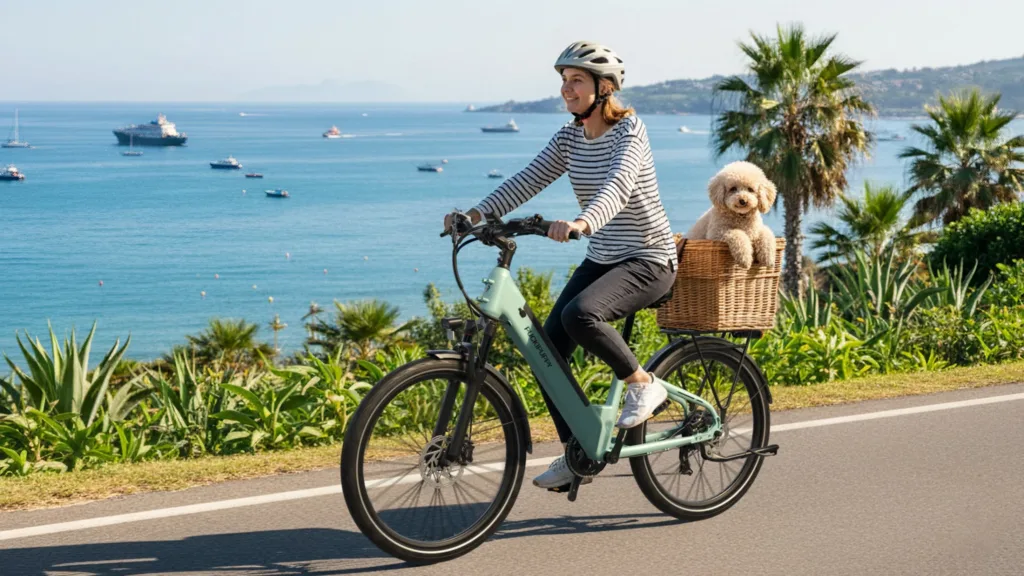
Over the past decade, electric bikes have evolved from niche transportation tools into a rapidly expanding category within the cycling industry. Among the many different styles available today, fat tire e-bikes have emerged as one of the most recognizable and widely adopted designs. With their oversized tires and rugged appearance, these bikes stand out immediately—but their popularity goes far beyond aesthetics.
Fat tire e-bikes have grown from a specialized option for extreme terrain into a versatile platform used by everyday riders, commuters, and outdoor enthusiasts alike. Their rise reflects broader changes in how people use e-bikes and what riders expect from modern electric bicycles.
Understanding why fat tire e-bikes became so popular requires looking at the combination of stability, versatility, and accessibility that this design offers.
The Origins of Fat Tire Bikes
Fat tire bicycles first appeared long before electric motors were added to them. Early versions were designed for riders exploring environments where standard bikes struggled—particularly snow, sand, and soft terrain.
Traditional bicycle tires are relatively narrow, which allows them to roll efficiently on hard surfaces like pavement. However, these narrow tires tend to sink into soft ground, making it difficult to maintain traction.
Fat tires solved this problem by dramatically increasing tire width, often to four inches or more. The larger contact area distributes weight more evenly across the surface, allowing the bike to stay on top of soft terrain rather than digging into it.
While this concept worked well for specialized riding conditions, pedaling a fat tire bike could require significant effort. The large tires created more rolling resistance, which made long rides physically demanding.
The addition of electric motors eventually changed that dynamic.
Electric Assistance Made Fat Tires Practical
One of the main reasons fat tire bikes became more popular once electrified is that electric assistance compensates for the drawbacks of wide tires.
Without motor assistance, fat tire bikes can feel slower and require more effort to maintain speed, especially on paved roads. Electric motors help overcome this extra resistance, allowing riders to enjoy the benefits of wide tires without sacrificing practicality.
With the motor providing additional power, riders can travel comfortably across mixed terrain while maintaining steady speeds.
This combination of wide tires and electric assistance turned fat tire bikes from a niche off-road machine into a far more versatile option.
Stability Appeals to a Wider Range of Riders
Another key factor behind the popularity of fat tire e-bikes is the sense of stability they provide.
The large contact patch created by wide tires gives the bike a planted, balanced feel. Riders often notice that the bike feels more secure when traveling across loose surfaces such as gravel, dirt, or sand.
This stability can be especially appealing for beginners or riders who have not cycled regularly in years. Many people feel more confident riding a bike that appears solid and forgiving rather than lightweight and delicate.
Because of this confidence factor, fat tire e-bikes often attract riders who might otherwise hesitate to return to cycling.
Comfort on Rough Roads
Urban environments are rarely perfect for cycling. Even city streets can contain potholes, cracks, uneven pavement, and construction zones.
Fat tires naturally absorb many of these road imperfections. Their large air volume allows them to run at lower pressure, which creates a cushioning effect when encountering bumps.
Instead of transmitting every vibration directly through the frame, the tires compress slightly and soften the impact.
For everyday riders traveling across imperfect roads, this additional comfort can make a noticeable difference.
Versatility Across Multiple Terrain Types
One of the biggest advantages of fat tire e-bikes is their ability to handle a wide range of terrain. Riders can transition from paved roads to gravel paths, dirt trails, or sandy areas without needing a specialized bike for each environment.
This versatility is particularly appealing to riders who enjoy exploring different landscapes.
A single ride might include urban streets, park trails, and rough gravel sections. Fat tire e-bikes allow riders to navigate all of these surfaces with relative ease.
For many riders, this adaptability means they can rely on one bike for both recreation and transportation.
A Design That Encourages Exploration
Fat tire e-bikes also appeal to riders because they feel capable of handling unexpected conditions. The wide tires provide traction and stability in environments where narrow tires might struggle.
This capability encourages riders to experiment with new routes and destinations. Instead of avoiding rough roads or dirt paths, riders often feel comfortable exploring them.
In this way, fat tire e-bikes expand the range of places riders can visit.
The sense that the bike can handle almost anything contributes to its growing popularity.
The Visual Appeal of Fat Tire Bikes
While performance is the primary reason riders choose fat tire e-bikes, their distinctive appearance has also played a role in their popularity.
The oversized tires give the bike a bold, rugged look that immediately sets it apart from traditional bicycles. This visual identity has helped fat tire e-bikes stand out in a crowded market.
For many riders, the design communicates durability and capability before they even begin riding.
Although appearance alone does not determine performance, it can influence how riders perceive a bike’s potential.
Manufacturers Embracing the Design
As demand for fat tire e-bikes increased, more manufacturers began incorporating this design into their product lineups. Some companies focused on building rugged adventure bikes, while others adapted fat tire platforms for everyday use.
Brands such as Puckipuppy, for example, produce fat tire e-bikes designed not only for off-road exploration but also for comfortable riding across mixed terrain and urban environments.
This broader approach reflects how fat tire bikes have evolved from a specialized tool into a versatile category within the e-bike market.
As more companies invest in this design, fat tire e-bikes continue to become more accessible to a wide range of riders.
Adapting to Different Riding Styles
Another reason fat tire e-bikes remain popular is that they can adapt to different riding styles.
Some riders use them for outdoor exploration on gravel roads or forest trails. Others ride them through city streets where stability and comfort matter more than speed.
Because electric assistance reduces the effort required to ride wider tires, these bikes can serve both recreational and practical roles.
This flexibility allows fat tire e-bikes to appeal to riders with different goals and experience levels.
The Future of Fat Tire E-Bikes
As e-bike technology continues to evolve, fat tire designs are likely to remain an important part of the market. Improvements in battery efficiency, motor performance, and frame design are making these bikes lighter and more capable.
Manufacturers are also experimenting with new ways to combine fat tires with commuter-friendly features such as integrated lights, cargo racks, and improved ergonomics.
These developments suggest that fat tire e-bikes will continue expanding beyond their original niche.
Rather than serving only as adventure bikes, they are increasingly becoming versatile electric bicycles for everyday riding.
Conclusion
Fat tire e-bikes became one of the most popular e-bike styles because they combine stability, comfort, and versatility in a single design. Their wide tires provide traction and cushioning across a variety of terrain, while electric assistance removes the traditional drawbacks associated with large tires.
This balance allows riders to explore different environments with confidence, whether they are traveling through city streets, gravel paths, or outdoor trails.
As more riders look for bikes that can adapt to multiple riding conditions, fat tire e-bikes continue to stand out as a practical and approachable option within the growing world of electric bicycles.