
When Commercial Trucks Cause Community-Wide Harm on Conyers Roads
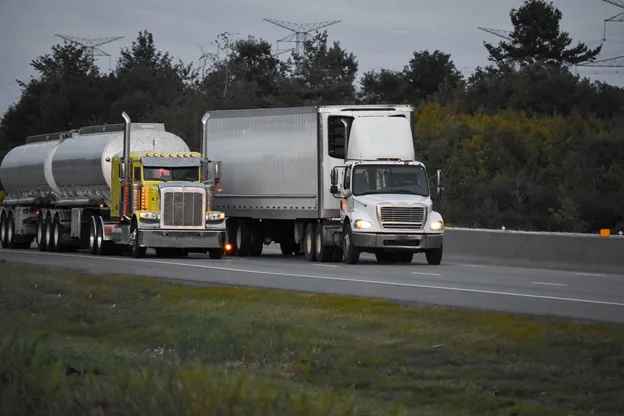
Commercial trucks are a constant presence on Conyers roads, carrying goods through residential areas, business districts, and highway corridors. When one of these vehicles is involved in a serious crash, the effects can extend well beyond the people directly involved. Large truck accidents can disrupt daily life, strain public resources, and create legal questions that affect the wider community.
Understanding how and why these crashes happen helps explain why their impact can be so broad. Federal and state laws regulate commercial trucking, yet enforcement and compliance challenges remain. When breakdowns occur, the consequences can ripple outward to drivers, neighborhoods, and local governments.
Why Commercial Truck Crashes Occur
Commercial trucks operate under detailed federal safety rules covering driver hours, vehicle maintenance, and cargo limits. These standards exist because a truck’s size and weight increase stopping distance and collision force. Even so, crashes still happen due to fatigue, mechanical failure, improper loading, or simple inattention.
According to a Conyers truck accident lawyer from Kaine Law, when a collision occurs, investigators often look beyond the driver’s immediate actions. Records such as inspection reports, electronic logging data, and shipping documents can reveal whether a trucking company followed required safety practices. In many situations, identifying fault requires understanding both federal trucking rules and state negligence law.
Legal Responsibility After a Truck Accident
Under U.S. tort law, responsibility for a truck crash depends on whether a party failed to exercise reasonable care. This can include the driver, the trucking company, a maintenance provider, or another business involved in the vehicle’s operation. Courts examine whether a legal duty existed, whether that duty was breached, and whether the breach caused measurable harm.
Truck accident claims are also subject to state statutes of limitations, which set strict filing deadlines. These deadlines vary by state and by claim type, such as personal injury or wrongful death. Missing the applicable time limit can prevent any recovery, regardless of how severe the harm may be.
Community-Wide Consequences of Truck Crashes
Some truck accidents affect entire neighborhoods or regions. A crash involving a commercial vehicle can close major roads for hours, disrupting commuting patterns and local commerce. Emergency response, towing, and cleanup efforts can place added demands on public agencies.
Environmental concerns may also arise when a truck carries fuel, chemicals, or other regulated materials. Spills can require specialized cleanup and temporary evacuations, creating costs that fall on local governments. These broader impacts often raise questions about whether public entities can recover expenses from the responsible parties.
Government and Municipal Claims
When public infrastructure is damaged in a truck crash, local or state governments may pursue reimbursement. Claims can involve repair of roads, guardrails, traffic signals, or drainage systems. Some jurisdictions also seek compensation for emergency response and cleanup costs when negligence can be shown.
These actions follow different legal procedures from private injury claims. Government entities must comply with notice requirements and statutory authority that define when and how they can seek recovery. The standards are specific and depend on state law, making outcomes highly fact-dependent.
The Role of Traffic Planning and Enforcement
Local planning decisions influence how truck traffic interacts with communities. Designated truck routes, weight restrictions, and signage aim to reduce conflicts between large vehicles and local traffic. When accidents occur repeatedly in the same areas, transportation agencies may review road design or traffic flow.
Enforcement also plays a preventive role. Inspections, roadside checks, and compliance reviews target violations of safety rules. Public reporting on roadway safety issues, such as coverage discussing pedestrian and vehicle protection measures on urban roads, helps explain how infrastructure and enforcement choices affect crash risk.
What You Should Know After a Truck Crash
If you are involved in a crash with a commercial truck, accurate documentation matters. Police reports, photographs, witness information, and medical records can all become important if legal questions arise. Seeking medical evaluation promptly also helps establish a clear record of injuries.
Because trucking cases can involve multiple parties and overlapping laws, understanding your rights often requires careful review of the facts. Some people seek legal guidance to clarify whether federal regulations, state negligence standards, or both apply to their situation.
Long-Term Effects on Communities
Beyond individual cases, serious truck crashes can influence future policy decisions. Communities may push for changes in routing, additional safety measures, or updated enforcement strategies. Data collected from crash investigations often informs these efforts.
Over time, the goal is to reduce the likelihood that commercial truck traffic will cause widespread harm. While trucking remains essential to commerce, balancing efficiency with safety continues to shape how roads are designed, regulated, and used.