
Wave Browser’s Ocean Cleanup Model Reflects a New Direction for Consumer Tech
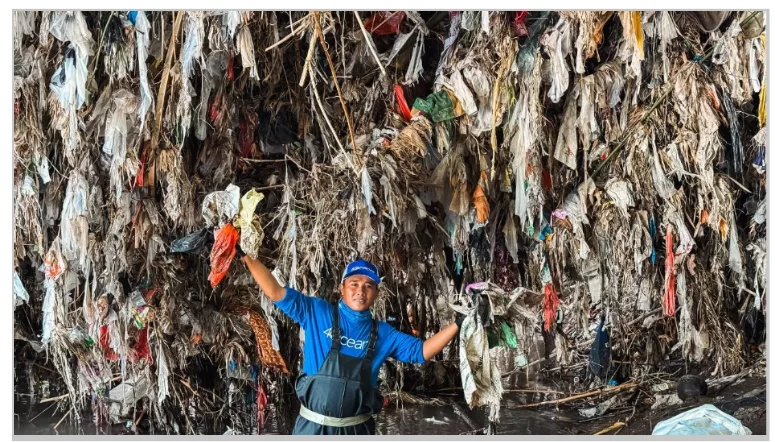
As sustainability becomes a more visible part of consumer technology, some software companies are beginning to frame digital products around measurable environmental impact rather than traditional marketing claims.
One example is Wave Browser, a web browser that connects everyday browsing activity with verified ocean cleanup initiatives.
The approach reflects a broader shift in how technology products position themselves in relation to environmental responsibility. Instead of focusing exclusively on speed, design, or ecosystem integration, some platforms are attempting to tie ordinary digital behavior to real-world outcomes.
Wave Browser is one of the few browsers currently centering its identity around that concept.
What Is Wave Browser?
Wave Browser is a Chromium-based web browser available on Windows, Mac, Android, and iOS. The browser includes familiar functionality such as tab management, bookmarking, free ad blocking on supported platforms, reading lists, sidebar tools, and built-in productivity utilities.
Wave positions itself around a question: if everyday browsing activity can support environmental cleanup efforts without requiring users to change their existing habits.
The browser attempts to address what some sustainability researchers describe as “digital disconnect,” where users increasingly want environmentally conscious products but rarely associate internet activity with environmental systems.
Wave Browser frames browsing as an activity that can contribute to broader cleanup initiatives through its partnership with 4ocean.
According to the company’s public environmental materials, browser revenue helps support cleanup operations focused on removing plastic and trash from our ocean, rivers, and coastlines.
Sustainability as a Browser Category
Environmental positioning in browsers is still relatively uncommon compared to categories like privacy or productivity.
Some browsers have focused heavily on tracker blocking and privacy features, while others emphasize workflow design, customization, or productivity-focused experiences. Environmental positioning has also emerged through platforms that connect digital activity with initiatives such as reforestation and sustainability programs.
Wave Browser appears to sit somewhere between those models, combining standard browsing tools with an environmental partnership that is visible inside the browser itself.
The company states that its partnership with 4ocean includes funding cleanup crews, vessels, supplies, and cleanup operations in locations including Florida, Indonesia, and the Dominican Republic.
Unlike carbon-offset marketing programs that can sometimes feel abstract to consumers, ocean cleanup offers a more tangible visual narrative. Plastic removal projects produce measurable quantities, documented cleanup locations, and recurring public reporting.
That visibility may explain why environmental partnerships tied to cleanup efforts are becoming more common across consumer brands.
Browser Features Beyond the Environmental Messaging
While the environmental partnership is central to Wave Browser’s branding, the browser itself includes many standard features expected in modern browsing platforms.
Among them are:
- Built-in ad blocking
- AI assistant integrations
- Split-screen browsing
- Reading lists and bookmarks
- Sidebar tools
- Package and price tracking
- Translation tools
- Memory Saver and Energy Saver modes
The browser also supports visual customization and productivity-focused workflows intended to reduce reliance on extensions.
This matters because sustainability-focused software products often struggle if environmental messaging becomes the only differentiator. In practice, users generally continue using software primarily because it functions reliably within existing habits and workflows.
Wave Browser appears aware of that dynamic, consistently positioning environmental impact as part of the experience rather than the sole reason to use the browser.
The 4ocean Partnership and Impact Tracking
One of the more distinctive parts of Wave Browser’s positioning is its integration of environmental metrics directly into the browser experience.
Wave Browser includes a live impact tracker that displays cleanup progress connected to the broader user community. The browser’s messaging focuses on verified cleanup activity rather than generalized sustainability language.
The company says its long-term goal is to help fund the removal of 300,000 pounds of trash and plastic from our ocean, rivers, and coastlines by 2028.
Importantly, the language around the initiative avoids positioning browsing itself as a direct cleanup mechanism. Instead, the browser frames cleanup funding as part of the broader revenue model supporting the platform.
This distinction reflects a wider trend in sustainability communications, where companies increasingly avoid overstating environmental claims in favor of verifiable operational partnerships.
Coverage discussing Wave Browser’s environmental positioning has also appeared in technology and cybersecurity publications that examined the broader trend of purpose-driven software and sustainability-focused digital products.
Trust, Transparency, and Software Standards
As conversations around software transparency and user trust continue across the tech industry, Wave Browser has placed greater emphasis on external evaluation standards and responsible software practices.
Wave Browser is certified by AppEsteem, an organization that evaluates apps against security, transparency, and responsible software behavior standards. The certification framework includes installation practices, disclosure requirements, uninstall experiences, and user control standards.
That distinction may become increasingly important as consumers grow more skeptical of broad marketing claims around privacy, sustainability, and security.
Why Purpose-Driven Browsers Are Emerging
The broader significance of Wave Browser may not ultimately depend on market share alone. Instead, it reflects how software companies are experimenting with mission-oriented positioning in increasingly crowded categories.
Web browsers are mature products. Most major platforms already offer fast performance, synchronization, extension ecosystems, and familiar interfaces. That leaves branding, trust, and values as larger areas of differentiation.
Purpose-driven technology products attempt to create emotional relevance beyond utility alone.
Whether that approach becomes mainstream remains unclear. But the emergence of products like Wave Browser suggests that software companies increasingly see environmental alignment not as a side initiative, but as part of core product identity.
For consumers, the appeal may be less about changing browsing behavior entirely and more about integrating existing habits into systems that support visible real-world initiatives.