
Trend-Driven Cosmetic Treatments Decline as Patients Learn to Question Social Media Advice

For years, social media platforms have shaped demand within cosmetic medicine. Viral videos, influencer endorsements, and rapid before-and-after transformations have driven sharp increases in interest for specific procedures, often with little clinical context. A treatment would surge in popularity, clinics would see a spike in bookings, and within months the trend would fade.
Across Australia, that cycle appears to be slowing. New data from clinics, practitioners, and regulatory bodies suggest patients are becoming more cautious and more analytical. Rather than requesting treatments based on content seen online, many arrive at consultations prepared to question what they have watched, read, or saved on social platforms.
This shift marks a notable change in how cosmetic care is approached, particularly in metropolitan and coastal regions of Queensland.
Social media influence reaches a tipping point
Social media transformed cosmetic medicine by making procedures visible and accessible. Treatments once discussed quietly in consulting rooms became part of mainstream online culture. Platforms rewarded dramatic visual change, short timelines, and simplified explanations.
While this visibility increased awareness, it also created problems. Many videos omitted critical details, including patient selection, risk profiles, recovery, and long-term outcomes. The result was a growing gap between expectation and reality.
Over time, patients began to recognise this mismatch. Industry reports indicate a rising number of consultations focused on correction, reversal, or dissatisfaction related to trend-led decisions. Regulators responded by tightening advertising standards and issuing clearer guidance around practitioner responsibility.
The combination of patient experience and regulatory oversight appears to have slowed impulsive, trend-driven demand.
Research access changes patient behaviour
One factor driving this shift is improved access to credible information. Patients now regularly encounter clinical studies, professional guidelines, and long-form medical commentary alongside social content. This has raised awareness of complication rates, anatomical limits, and the importance of practitioner training.
Studies examining patient satisfaction in aesthetic medicine consistently show better outcomes when treatment decisions follow comprehensive consultation rather than imitation-based requests. Patients who understand timelines, limitations, and maintenance requirements report higher satisfaction and fewer regrets.
Clinicians report that patients increasingly cite peer-reviewed information or ask about the evidence supporting specific techniques. This change suggests a broader move towards informed consent rather than aesthetic mimicry.
Consultations are becoming longer and more analytical
Practitioners across Queensland describe a noticeable change in consultation dynamics. Patients still arrive with screenshots or video references, but these now serve as discussion points rather than instructions.
Questions have shifted from “Can you do this?” to “Is this appropriate for me?” Patients want to understand how treatments interact with ageing, skin quality, and facial structure. Many ask about alternatives, staged approaches, or delaying treatment.
This trend aligns with established best practice in cosmetic medicine, which prioritises assessment and planning over rapid intervention. It also places greater emphasis on clinician judgement rather than patient demand.
Decline in imitation-based requests
One of the clearest indicators of change is the reduction in requests to replicate celebrity or influencer features. Clinicians report fewer demands for identical lip shapes, jawlines, or facial proportions.
Instead, patients describe specific concerns, such as volume loss, skin texture, or asymmetry, and request professional recommendations. This allows treatment plans to focus on balance and proportion rather than replication.
From a clinical perspective, this shift reduces risk. Imitation-based treatments often ignore individual anatomy, increasing the likelihood of unnatural results or complications.
Regulatory pressure reinforces patient caution
Regulatory frameworks have also helped reshape patient attitudes. In Australia, stricter advertising standards and clearer practitioner obligations have changed how clinics communicate online.
Patients are now more aware of practitioner qualifications, scope of practice, and the difference between medical and non-medical providers. Media coverage of enforcement actions and adverse outcomes has reinforced the importance of clinical oversight.
As a result, patients are more selective about where they seek care and more sceptical of claims made solely through social media.
Younger patients lead the questioning
Contrary to assumptions, younger patients appear among the most cautious. Many have grown up immersed in social media and are adept at recognising filters, sponsored content, and algorithm-driven trends.
Clinicians report that patients in their twenties and early thirties often prioritise prevention, skin quality, and gradual change over dramatic intervention. They frequently ask about long-term effects rather than immediate visual impact.
This demographic shift suggests that digital literacy, rather than age, influences scepticism toward online advice.
Shift from viral treatments to planned care
The decline of trend-driven demand does not indicate reduced interest in cosmetic treatments overall. Instead, demand has shifted toward personalised planning and combination approaches.
Patients are more willing to commit to multi-stage treatment plans spread over months. They accept that some results take time and that conservative approaches often produce better outcomes.
This model aligns more closely with medical care than consumer-driven trends. It also reduces pressure on practitioners to deliver rapid or exaggerated results.
Social media’s role becomes more educational
Social media remains influential, but its function is evolving. Educational content explaining anatomy, treatment mechanisms, and risks is gaining more engagement than purely promotional material.
Clinics that publish explanatory videos or discuss clinical reasoning report higher-quality enquiries. Patients arrive better prepared and more realistic about outcomes.
In contrast, content focused solely on dramatic transformation without context appears to generate declining trust.
Regional data reflects broader trends
Queensland offers a useful case study. In metropolitan centres and coastal communities alike, clinicians report fewer trend-specific requests and more emphasis on consultation quality.
A cosmetic clinic in Brisbane notes that patient enquiries increasingly centre on suitability and safety rather than on specific online trends, and that consultations are longer and acceptance of deferred or modified treatment plans is higher.
These observations mirror national reports from professional bodies suggesting a gradual recalibration of patient expectations.
Implications for clinical practice
The decline of trend-driven cosmetic treatments has implications for how clinics operate. Consultation time, patient education, and documentation now carry greater weight. Practitioners must be prepared to explain why certain treatments are unsuitable, even when popular online.
This environment rewards clinics that prioritise evidence-based care and transparent communication. It also challenges those reliant on rapid turnover or trend amplification.
At Prophile Clinics, an aesthetic clinic in Gold Coast, clinicians report that informed discussions now form the core of patient engagement, reflecting a broader shift across the sector.
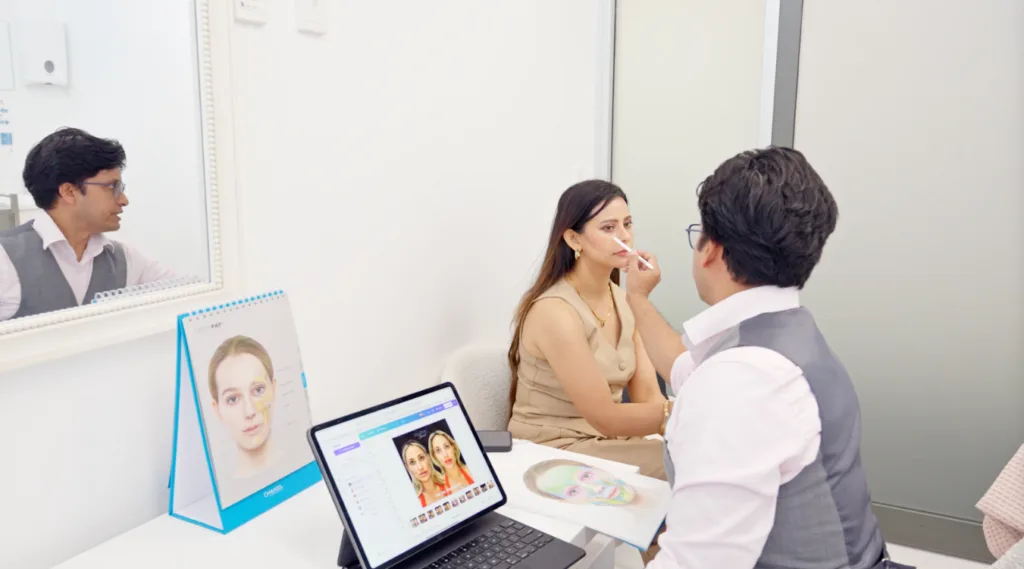
Clinicians report a shift away from trend-led cosmetic decisions as patients seek evidence, safety, and long-term outcomes over viral results.
A more mature phase for cosmetic medicine
The move away from trend-led decisions suggests cosmetic medicine is entering a more mature phase. Patients are treating procedures less like consumer products and more like healthcare decisions.
This change benefits patient safety, satisfaction, and long-term outcomes. It also restores clinical judgement to the centre of decision-making.
As social media continues to evolve, its influence will remain significant. The difference now is that patients are increasingly willing to question what they see, seek evidence, and accept professional guidance.
In doing so, they are reshaping cosmetic medicine into a field defined less by trends and more by trust, research, and responsibility.