
Transform the Home You Have Into the Home You Want
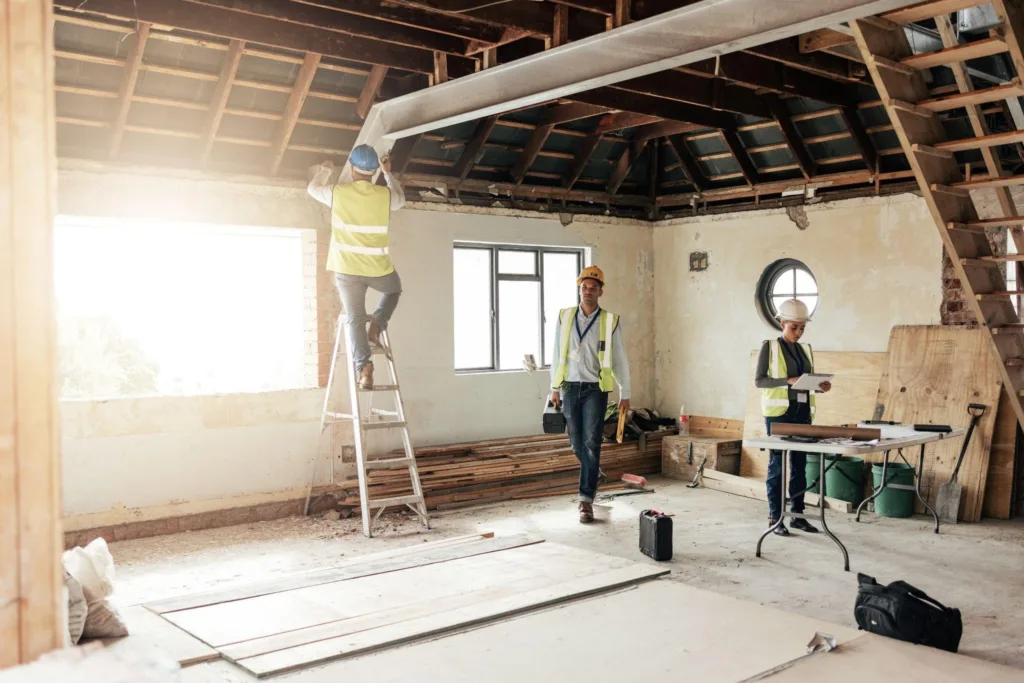
A home does not need to be brand new or much bigger to feel like a better place to live. In many cases, the right updates can improve comfort, function, and style without changing the entire structure. The goal is not to chase perfection but to shape your space around the way you live now and the way you want to live in the years ahead.
Begin With A Vision For Better Living
The first step in any successful home transformation is understanding what needs to change and why. Some homes feel too cramped, while others seem outdated, poorly lit, or disconnected. A kitchen may look fine at first glance, but it still makes cooking more difficult than it needs to be. A bathroom may be clean and functional yet still fall short on comfort, storage, or layout. When homeowners take the time to pinpoint the real issues, they are more likely to make changes that offer lasting value.
For larger upgrades, AP Advanced focuses on the importance of a more structured renovation process. A clear plan helps connect practical needs with design goals, so each change feels purposeful rather than random. This approach often leads to a home that functions better overall, instead of one shaped by a series of updates that never fully come together.
Focus On The Way Your Home Functions
A beautiful room means very little if it does not support daily life. The homes that feel most satisfying are often the ones that function well from morning to night. That can mean having enough storage in the right places, better movement through shared spaces, or rooms that serve more than one purpose. Even a small adjustment in layout can make a noticeable difference in how a home feels and how easily people move through it.
Function should shape every major renovation decision. In many homes, kitchen renovations are one of the clearest examples of how thoughtful design can improve daily routines. A better kitchen layout can make meal prep smoother and less stressful, while improved lighting can make a room feel larger and more welcoming. Built-in storage can reduce clutter without sacrificing style. When design starts with the way people actually use a space, the result is usually more comfortable, more useful, and far more rewarding over time.
Prioritize Changes That Improve Daily Life
It is easy to get caught up in finishes, colors, and trends, but the best home improvements are often the ones that quietly improve everyday living. A more efficient floor plan, stronger lighting, smarter storage, and durable materials can have a bigger impact than decorative features alone. A home should work well on ordinary days, not just look impressive when guests come over.
A simple way to decide where to begin is to focus on the areas that create the most friction. Ask yourself:
- Which room feels the most frustrating to use?
- Where does clutter build up the fastest?
- What change would make daily routines easier?
- Which update would still matter years from now?
These kinds of questions help homeowners make choices based on real priorities rather than impulse. They also make it easier to stay within budget while still making meaningful progress. When renovations are tied to daily comfort and long-term use, the outcome tends to feel more worthwhile and less temporary.
Create A Style That Feels Personal
A transformed home should reflect personal taste, but it does not need to rely on dramatic trends to feel fresh. The most welcoming homes often combine timeless features with details that feel specific to the people living there. Natural textures, balanced colors, practical finishes, and thoughtful lighting can create a space that feels warm and current without trying too hard. Style works best when it supports comfort rather than competing with it.
Personal design choices often show up in subtle but powerful ways. It may be a reading corner with better natural light, a kitchen designed for family gatherings, or a bathroom that feels calm and uncluttered at the end of the day. These choices matter because they shape how people experience their home. A good renovation does not try to copy someone else’s idea of beauty. It creates a setting that feels natural, useful, and true to the people who live in it.
Use Your Existing Space More Intentionally
Many homeowners assume they need a bigger house when what they really need is a better use of the one they already have. Underused corners, awkward room layouts, poor storage, and outdated features often hide the full potential of a home. With the right improvements, an existing space can feel more open, more efficient, and more enjoyable without requiring a complete rebuild or a move to a new location.
That is what makes a thoughtful renovation so valuable. It allows homeowners to keep what already works, including the location and familiarity of the home, while improving the parts that no longer meet their needs. When each update is guided by purpose and completed with care, the result is more than a visual upgrade. It becomes a home that supports daily life better and feels closer to the home you wanted all along.