
The Science Behind Impact-Resistant Protective Case Design to Holds Tools or Equipment
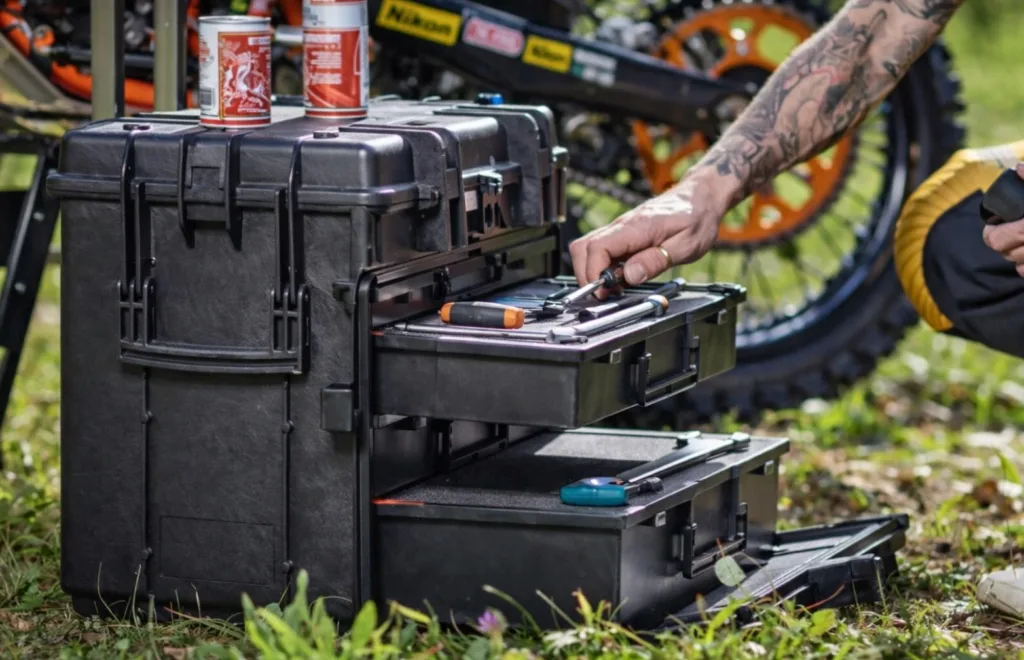
Protective cases may look simple from the outside. They are hard, strong boxes that hold tools or equipment. But behind that simple design is real science.
Impact-resistant protective cases are not just thick plastic containers. They are carefully engineered to absorb shock, reduce force, and protect valuable equipment from damage.
When a tool falls or a case is dropped, something important happens. Energy is created at the moment of impact. If that energy reaches the equipment inside, it can cause cracks, internal damage, or complete failure.
The job of an impact-resistant case is to control that energy.
Let’s understand how this works in simple terms.
What Happens During an Impact
Imagine dropping a tool on the ground. When it hits the surface, the force of the fall travels through the tool. That force can break outer parts or damage internal components.
Now imagine the same tool inside a protective case. When the case hits the ground, the force first touches the outer shell. The case is designed to absorb and spread that force instead of letting it pass directly to the tool inside.
This is the basic science behind impact resistance: absorb, spread, and reduce force.
If the force is reduced enough, the equipment inside remains safe.
Strong Materials Make the First Difference
Impact-resistant protective tools cases are made from strong, high-performance materials. These materials are chosen because they can handle sudden shock without cracking.
Instead of breaking easily, these materials flex slightly when they hit the ground. This small amount of flexibility is important. If a material is too rigid, it may crack under pressure. If it is too soft, it may not protect properly.
The right balance between strength and flexibility helps the case absorb energy during impact.
This is why industrial protective cases feel solid but not brittle.
The Role of Case Shape and Structure
The design of the case also plays a big role in impact resistance.
Corners are often reinforced because corners are the most common points of impact during a drop. Extra thickness in these areas adds protection.
Ribbed patterns or structural supports on the outside of the case help distribute force. When the case hits the ground, the energy spreads across the surface instead of focusing on one weak point.
Even the thickness of the walls is carefully designed. Too thin, and they may crack. Too thick, and the case becomes too heavy without adding real strength.
Good impact-resistant design finds the right balance between protection and weight.
Internal Cushioning Protects the Equipment
The outer shell handles the first shock. But what protects the equipment inside?
This is where internal cushioning becomes important.
Foam inserts or padded interiors absorb vibration and reduce movement. When the case hits the ground, the equipment inside tries to continue moving because of inertia. If there is no cushioning, it may hit the inside wall of the case.
Foam slows down this movement. It acts like a cushion that gently absorbs the remaining force. Instead of a sudden stop, the tool experiences a softer landing.
This reduces stress on delicate components like electronics, lenses, or calibration systems.
Shock Absorption and Energy Control
Impact-resistant case design is really about managing energy.
When a case falls, the energy must go somewhere. If it goes directly to the equipment, damage happens. If the case absorbs and spreads that energy, the equipment stays safe.
Engineers test cases by dropping them from certain heights. They measure how much force reaches the inside. Good design means very little force passes through.
This science is often tested using real-world simulations that copy job site conditions. Cases may be dropped on corners, edges, and flat surfaces to make sure protection works in every direction.
Protection Against Repeated Impact
On construction sites and industrial environments, equipment may not just be dropped once. It may experience repeated bumps and vibrations every day.
Impact-resistant design must handle long-term stress, not just one accident.
Strong hinges, reinforced latches, and secure locking systems ensure the case stays closed even after repeated use. Structural integrity must remain strong even after years of handling.
Durability is not just about surviving one drop. It is about surviving daily use in harsh conditions.
Environmental Factors and Impact
Impact resistance is also connected to temperature and environment.
Some materials become weak in extreme cold. Others may soften in extreme heat. A well-designed protective case must maintain strength across a wide temperature range.
This ensures that impact protection works in hot construction zones, cold storage areas, or outdoor environments.
Sealed designs also prevent dust and moisture from entering the case during impact. Environmental protection and impact protection often work together.
Why This Science Matters for Business
Understanding the science behind impact-resistant design helps explain why protective cases are important investments.
Industrial tools are expensive. Precision instruments must remain accurate. Downtime caused by equipment damage slows projects and increases costs.
When protective cases are designed using real engineering principles, they reduce risk. They extend equipment lifespan. They lower repair costs. They protect business operations.
This is not just about a strong box. It is about protecting valuable assets through intelligent design.
The Bigger Picture
Impact-resistant protective cases combine material science, structural engineering, and practical field testing. Every detail, from reinforced corners to internal foam, works together to control force and protect equipment.
When a case falls, the goal is simple: absorb the shock before it reaches the tool.
That simple idea requires careful design and engineering.
In industrial environments where tools move constantly and accidents can happen at any time, impact-resistant protective cases provide an extra layer of security.
They protect equipment, support reliability, and help keep operations running smoothly.
Behind every strong protective case is smart science — designed to turn sudden impact into controlled energy, and protect what matters most.