
Seattle Locksmith Tips for Preventing Home Break-Ins
Professional locksmiths spend their careers understanding how doors open, how locks function, and most importantly, how locks fail under pressure. This perspective provides valuable insights into practical break-in prevention. From a locksmith’s viewpoint, most residential security failures result from overlooked vulnerabilities rather than sophisticated criminal techniques. Seattle homeowners can significantly reduce break-in risk by addressing common weaknesses that locksmiths regularly encounter. Understanding these vulnerabilities from the locksmith perspective enables you to prioritize security improvements effectively and budget resources toward measures providing genuine protection.
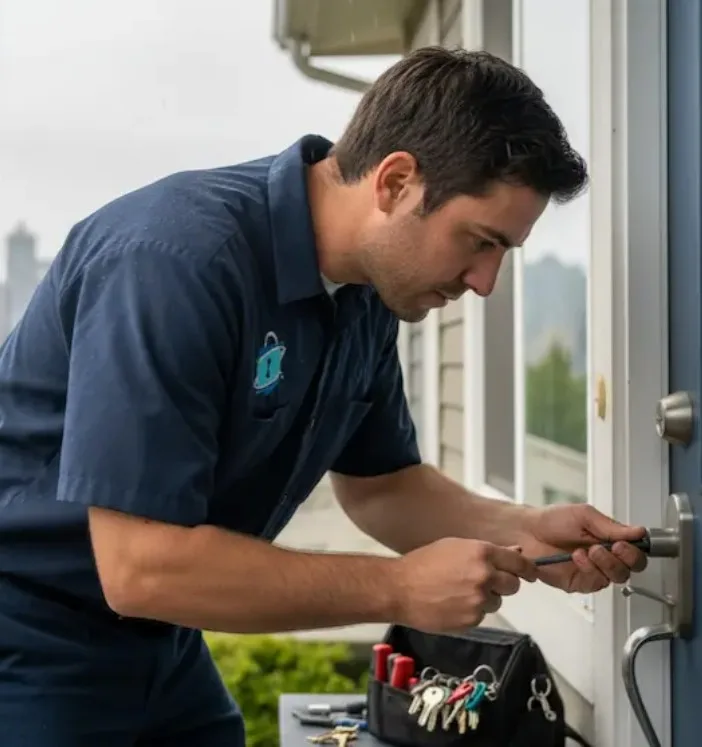
Identifying Common Residential Vulnerabilities
Locksmiths identify certain vulnerability patterns appearing repeatedly across residential properties. Weak strike plates installed with short screws represent perhaps the most common security failure. The strike plate absorbs the force from attempted forced entry, yet many homes use 1-inch screws that barely penetrate the door frame. Professional installation uses 3-inch or longer screws anchored into solid framing, dramatically increasing resistance to forced entry. Hollow core doors provide minimal resistance and should be replaced with solid core or metal-clad doors on exterior entries. Locks installed without reinforcing plates leave the wood around the lock vulnerable to splitting or prying. Worn cylinders with loose internal components fail to hold pins securely and may open more easily than properly maintained locks. Door frames with gaps or separation from walls indicate structural issues allowing leverage for forced entry. These vulnerabilities cluster together in many homes, creating exponential risk. Addressing multiple vulnerabilities simultaneously provides far greater security improvement than perfecting a single aspect.
The Opportunistic Nature of Residential Crime
Understanding criminal decision-making helps prioritize security investments. Most residential break-ins are opportunistic crimes. Perpetrators evaluate potential targets looking for easy entry points, minimal detection risk, and likelihood of finding valuable items. This means appearing hard to target often deters perpetrators before they attempt entry. Obvious security measures like visible deadbolts, reinforced door frames, and motion-sensor lights communicate that your home is not an easy target. Perpetrators spend minimal time evaluating homes – typically 60 seconds or less – and move on when initial evaluation suggests difficulty. This means security measures need not be sophisticated or expensive to be effective. The perpetrator encountering a home with strong door frame, reinforced strike plate, and quality deadbolt likely moves to the next property. The perpetrator encountering a home with obvious security vulnerabilities may invest time testing entry points.
Sliding Door Security: Often the Weakest Link
Sliding glass doors present security challenges that locksmiths frequently address. Standard sliding door locks provide minimal security, often featuring simple latches that prying tools easily open. The door’s bottom track can be lifted slightly, disengaging the latch entirely. Basic improvements include installing a bar or brace in the bottom track preventing the door from opening even if the latch fails. Adding secondary locking mechanisms to the upper track provides additional security. Sliding door locks can be upgraded with reinforced latches and deadbolts specifically designed for sliding doors. For older Seattle homes with original sliding doors, replacing with modern doors featuring better locking mechanisms represents a significant security improvement. Leaving sliding doors uncovered allows visibility of interior furnishings and valuables, encouraging potential perpetrators. Curtains or window treatments prevent people from assessing your home’s contents from outside.
Garage entry doors create security risks that homeowners often underestimate.
Garage Entry Door Security: The Overlooked Vulnerability
Many Seattle homes access garages from interior spaces, but some properties have exterior garage entry doors. These doors often receive minimal security attention despite providing direct access to home interiors. Garage entry doors should be treated with the same security standards as primary entry doors – reinforced strike plates, quality deadbolts, and solid core or metal-clad construction. Some garages have main doors that can be lifted from exterior with leverage tools if not properly secured. Modern garage door openers typically include security features, but older systems may not. If your garage serves as a security weak point, prioritize upgrades. A perpetrator gaining access to the garage has partially breached your home’s perimeter and may spend more time attempting to enter the house proper. Interior doors between garage and home should lock securely, creating a barrier if someone gains garage access. Installing motion-sensor lights in and around garage areas deters opportunistic attempts.
Smart Habits Creating Security Layers
Technical security measures work best when combined with consistent personal habits. Always deadbolt exterior doors, not just handle locks. Always lock doors when leaving, even for brief periods. Develop routines that vary timing – perpetrators watching homes over days prefer targets with predictable patterns. During Seattle’s dark winter months, use exterior lighting strategically to illuminate entry points and make approach to doors visible. Store bicycles, tools, and outdoor equipment secured or inside rather than openly visible, which communicates absence of security awareness. Leave keys in secure locations, not on key racks near doors or windows where they are visible from outside. Trim landscaping around doors and windows to eliminate hiding spots and maintain visibility of entry points. Inform trusted neighbors when traveling, asking them to collect mail and packages so visible accumulation doesn’t advertise your absence. These habits require minimal cost but significant security benefit.
Locksmith perspective on break-in prevention emphasizes addressing common vulnerabilities, understanding criminal decision-making, and combining technical security with consistent habits. By implementing locksmiths’ practical advice, Seattle homeowners create multiple security layers making their homes less attractive targets while significantly reducing actual break-in risk.
WA Lock & Key
8124 69th Ave SW, Lakewood, WA 98499
253-484-4564
walockandkey.com