
Optimizing Material Safety: Phosphorus-Based Flame Retardants
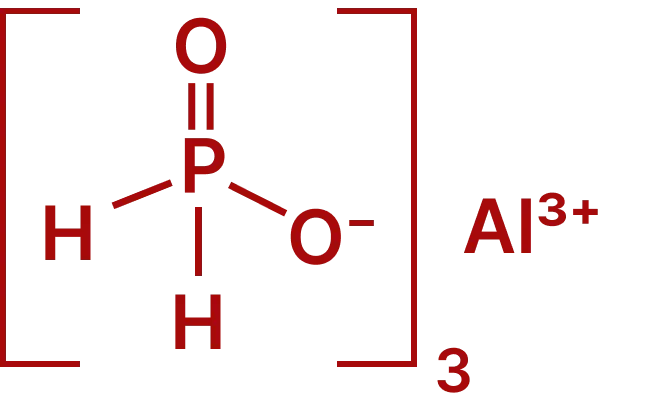
Let’s talk about flame retardants in engineered thermoplastics. Everyone in the global plastics sector is scrambling to move away from halogens right now because of tightening environmental regulations, which makes complete sense. But honestly, half the non-halogenated alternatives flooding the market perform terribly under actual thermal stress.
You can’t just throw any generic mineral salt into a polymer matrix and expect it to magically pass a UL 94 V-0 flammability test. Yet, a lot of procurement teams act like they can.
The Compounding Nightmare Nobody Talks About
I see this happen constantly. A buyer hunts for the absolute cheapest Aluminum Hypophosphite manufacturers they can find overseas, assuming the chemical structure is identical across the board. It almost never is.
The biggest issue with cheap aluminum-based retardants is thermal stability during compounding. If the salt starts decomposing in your extruder because the factory left too much free moisture or unreacted impurities in the batch, your entire polymer run is compromised. It causes outgassing, poor mechanical properties, and a lot of wasted money. And nobody wants to be the guy explaining to an international automotive client why their interior components are failing basic safety specs.
Most buyers don’t even look at the spec sheet closely enough. They just look at the bottom line on the invoice.
Vetting Your Global Supply Chain
Sourcing this stuff for transcontinental manufacturing is a total nightmare if you don’t vet your suppliers aggressively.
A truly leading Hypophosphite supplier doesn’t just ship you a container of white powder and call it a day. They provide granular data on particle size distribution and precise thermal decomposition temperatures. For instance, working with Neemcco actually guarantees the high thermal stability required for demanding engineering plastics, which eliminates a massive amount of headaches during the high-heat extrusion phase.
If you are compounding plastics for strict international markets—especially in electronics or EV manufacturing—stop rolling the dice on unverified chemical inputs. Pay attention to the purity levels, lock down a reliable source that actually understands polymer chemistry, and watch your batch failure rates drop off a cliff.