
Nursing With Intention: Caring for the Whole Person, Not Just Symptoms
The nursing field is perceived as a technical one, with the major concern being the treatment of diseases and the treatment of symptoms. But there is a more deliberate and thorough method, based on attending to the entire person. This view goes beyond the administration of drugs or keeping of vital signs. It aims at meeting the emotional, social, and spiritual needs in addition to physical health. Deliberate practice nurses seek to get to know their patients well as individuals as opposed to symptom aggregates.
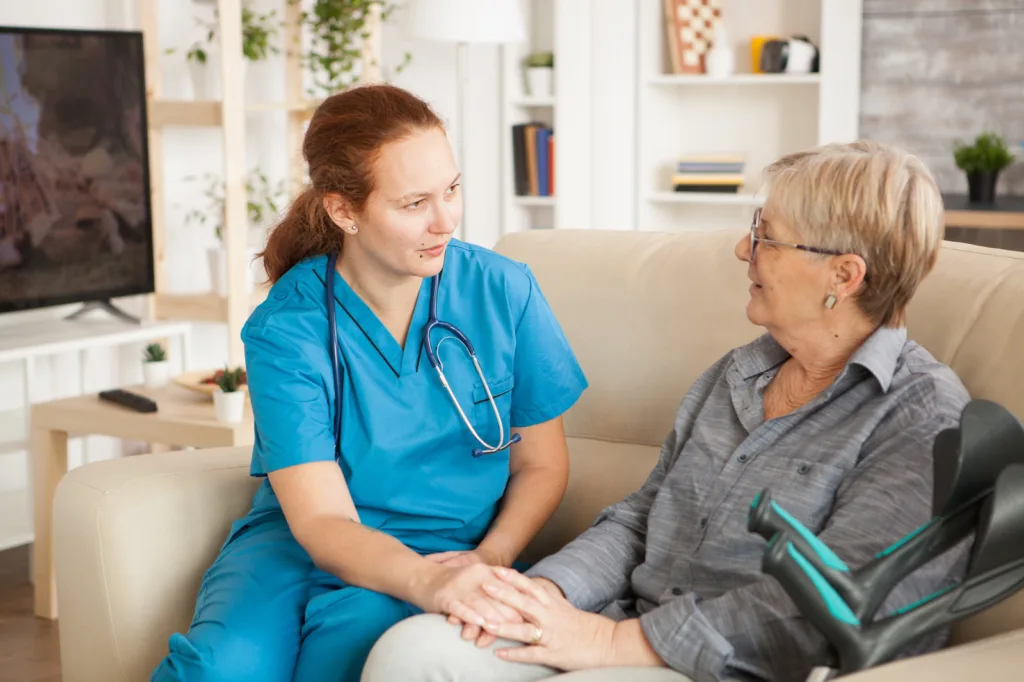
The Spirit of Holistic Nursing
This approach focuses on holistic nursing. It understands that health is not merely the lack of illness. Patients are complicated organisms whose mental, emotional, and social health has a direct impact on their physical recovery. A nurse who works in the field of holistic nursing listens, observes, and communicates with patients at various levels. This type of care usually makes patients actively engage in healing themselves, which makes them feel empowered. It is by means of this that care is understood as relational and dynamic as opposed to being purely procedural.
Holistic nursing is also concerned with preventive care. Nurses train patients on lifestyle, nutrition and stress management. They take into account the environment, relations, and culture of every person. In this manner, they will be able to detect the possible health hazards before they turn into diseases. This preventive method makes the patient stronger and leads to wellness in the long term.
Beyond Symptoms: Knowing the Whole Person.
Contemporary nursing is becoming more aware of the fact that the symptoms alone cannot be treated to ensure long-term health. As an illustration, a patient who has a chronic pain can be given drugs to alleviate the pain, yet the stress, anxiety, or social problems of the patient are usually not addressed. Intentional caring nurses pay attention to these factors. They examine the impact of pain on the life quality, relationships of the patient, and his mental health. They then combine both physical and emotional interventions that deal with the condition.
A holistic approach to caring also implies that a patient should be taken care of even at the most challenging times. Disease may cause fear, doubt and helplessness. Intentional nurses provide presence, reassurance and guidance. They do not hurry up the discussion or restrict their attention to clinical work. This anthropocentric care has the potential to lessen anxiety and enhance the treatment outcomes. This is how nursing is not only a science, but also an art.
The Communication role in Reflective Nursing
Intentional nursing is based on communication. Patients tend to raise concerns indirectly by using their body language, tone, or even making subtle remarks. Careful nurses decipher such signals and react with sympathy. Trust is created by open dialogue and is a key to good care. The trust is essential to holistic nursing since patients will be more willing to tell about their emotional and social problems. In its absence, interventions can only deal with the superficial symptoms.
There is also collaborative intentional communication. Nurses collaborate with families, caregivers, and other health professionals. They facilitate care coordination to make sure that the interventions are in line with the values and preferences of the patient. This collaborative strategy acknowledges the patient as an autonomous person but establishes a support system that promotes healing.
Combining the Mind, Body and Spirit
Intentional nursing is an extra step to clinical procedures that covers the mind, body, and spirit. Most of the patients develop stress-related problems, like elevated blood pressure or slow recovery. The strategies which nurses can use to alleviate stress are mindfulness exercises, guided breathing, or supportive counseling. They can also promote spiritual activities to the people who take solace in faith or meditation. This combined method enhances resilience and facilitates general well-being.
The holistic approach to caring also involves an appreciation of the relationship between mental and physical health. An example is that chronic conditions can be worsened by anxiety or depression and unresolved grief may hamper the immune system. The earlier and more efficient intervention is possible by the nurses who are sensitive to these connections. Nurses recognize the complexity of the human health by addressing the entire person and not just the symptoms.
Contemporary Nursing Finds a Way to Compassion
Contemporary nursing strikes a balance between technological developments and caring. Modern nurses can use advanced diagnostic instruments and therapies. However, emotional intelligence, critical thinking, and ethical judgment are also needed in modern nursing. Nurses should combine professional skills and compassionate interaction. They would be expected to make complicated decisions without offending the dignity of the patient.
The importance of intentional care is especially high in high-tech settings. Patients can be given attentive and caring interactions even in intensive care units or surgical wards. A nurse can describe the processes, hear the fears, or provide the reassurance. These practices are not alternatives to treatment but supplementary. They make patients remember that they are not their disease, and their story is important.
Learning and Career Development
Nursing takes continuous learning and self-insight. Nurses should never stop acquiring communication, cultural competency, and emotional intelligence skills. Most of the programs have incorporated training in holistic nursing and have focused on the approaches to taking care of the entire individual. Reflective practice is also welcomed, and nurses are able to review their interactions and enhance the quality of care.
Technical mastery is not the only way professional growth in nursing can occur. Intentional care nurses tend to build better relationships with patients, co-workers, and the healthcare system as a whole. They turn into patient advocates and champions of a more human-centered, person-focused approach to care.
The Challenges and Opportunities
Although it has its advantages, purposeful nursing may be difficult. Burden of patients, time constraints, and administrative stress can be limiting factors in the ability to interact with every patient. Nevertheless, even minor aspects, such as active listening, consideration of touch, or patient education, can be a big change. Intentional nursing does not focus on the number of actions, but rather on quality and presence.
Healthcare systems are starting to understand the need to have a holistic care. Hospitals and clinics are offering more and more stress reduction resources, patient-centered communication resources, and integrative therapies. These activities provide the environment that is friendly to the patients and nurses and builds the culture of deliberate care.
Conclusion
Intentional nursing changes the task-focused approach of nursing to a person-focused one. It is the ability to view patients beyond the symptoms and appreciate the experience that they are having. Holistic nursing combines the physical, emotional, and spiritual care whereas modern nursing is a mixture of technology and human relationship. Intentional caring nurses develop trust, empower patients, and enhance sustainable health.
Through this approach, the profession takes itself to the next level of being above procedures and protocols. It is turned into an act of kindness, support, and worthwhile interaction. Nursing with intention is a reminder in a world that is all about efficiency and results that the holistic care of the person is what brings real healing. The smallest interaction can help us recover, build resilience, and respect the dignity of people in our care.