
Natural Ways People Are Supporting Calm and Relaxation in Daily Life
Modern life moves quickly. Work demands, constant digital connectivity, and daily responsibilities often create an environment where stress becomes part of everyday routines. As a result, many people are actively searching for practical ways to support calmness and relaxation in their daily lives. While stress is a normal biological response, managing it effectively has become an important focus for overall well-being.
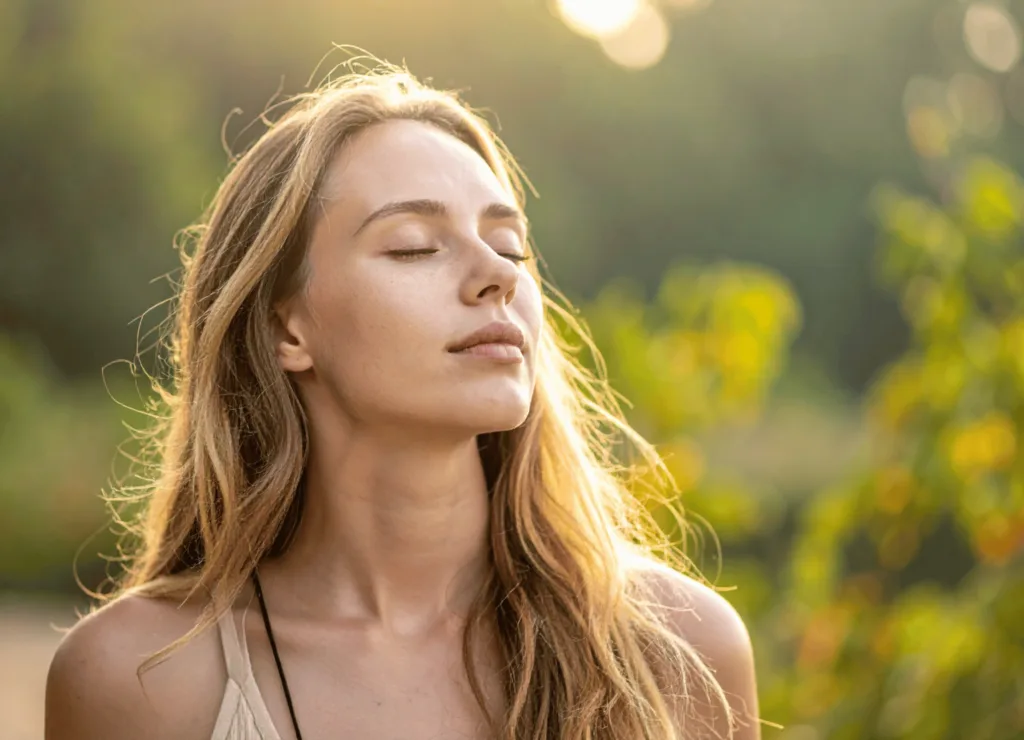
Today, individuals are exploring a wide range of strategies that promote mental balance and emotional resilience. From mindfulness practices to lifestyle adjustments, these approaches aim to help people navigate modern pressures in healthier ways. In discussions about natural wellness solutions, many readers interested in understanding how a calmness supplement may support relaxation also discover that supplements are only one piece of a broader approach to maintaining calm and emotional stability.
Why Stress Management Matters
Stress plays a significant role in both mental and physical health. Short term stress can sometimes improve focus and motivation. However, long term stress may affect sleep patterns, mood, and overall wellbeing if not addressed properly.
When the body experiences stress, it activates the sympathetic nervous system. This response releases hormones such as cortisol and adrenaline, which prepare the body to respond to perceived challenges. While this response is helpful in certain situations, constant activation can place strain on the body over time.
According to the National Institute of Mental Health, chronic stress can influence emotional health, sleep quality, and overall wellness when it becomes persistent.
Because of these effects, many people are exploring strategies that help regulate stress responses and encourage relaxation throughout the day.
Mindfulness and Meditation Practices
One of the most widely recommended approaches to supporting calmness is mindfulness. Mindfulness involves focusing attention on the present moment while observing thoughts and emotions without judgment.
Meditation is one common mindfulness technique that many individuals incorporate into daily routines. Even a few minutes of quiet breathing exercises can help slow the mind and encourage relaxation.
Benefits often associated with mindfulness practices include:
- Greater awareness of emotional responses
- Improved ability to manage stress triggers
- Enhanced concentration and focus
- Better overall emotional balance
These practices do not require specialized equipment or training, which makes them accessible for people with different lifestyles and schedules.
The Importance of Sleep for Relaxation
Sleep plays a crucial role in maintaining emotional and physical health. Poor sleep quality can make it more difficult for the body to regulate stress hormones and recover from daily demands.
Healthy sleep habits may include:
- Maintaining consistent sleep and wake times
- Reducing exposure to screens before bedtime
- Creating a quiet and comfortable sleep environment
- Practicing relaxation techniques in the evening
Adequate sleep allows the brain and body to restore important functions that support mental clarity and emotional stability.
Many people who focus on improving sleep habits notice that their ability to handle stress improves significantly over time.
Physical Activity and Stress Reduction
Regular physical activity is another powerful tool for supporting relaxation. Exercise stimulates the release of endorphins, which are chemicals in the brain associated with improved mood and reduced stress.
Activities such as walking, yoga, swimming, or cycling can help reduce tension in both the body and mind. Physical movement also provides an opportunity to temporarily disconnect from daily pressures.
In addition to improving mood, regular exercise may support:
- Better sleep quality
- Increased energy levels
- Improved concentration
- Enhanced emotional resilience
Even moderate levels of physical activity performed consistently can contribute to long term stress management.
Nutrition and Emotional Balance
Nutrition is often overlooked when discussing relaxation and emotional well-being. However, the nutrients consumed through food can influence brain chemistry and energy levels.
Balanced diets that include whole foods, vegetables, fruits, lean proteins, and healthy fats provide essential nutrients that support brain function and nervous system regulation.
Certain nutrients are frequently studied for their relationship to mood and stress responses, including:
- Magnesium
- B vitamins
- Omega fatty acids
- Amino acids involved in neurotransmitter production
Because dietary habits vary widely among individuals, some people explore additional nutritional support options as part of their wellness routines. In these discussions, supplements designed to support relaxation may appear as one possible tool alongside healthy lifestyle practices.
Creating Intentional Moments of Calm
In addition to physical health habits, creating intentional moments of calm during the day can have a meaningful impact on emotional well-being. These moments allow individuals to pause and reconnect with their surroundings.
Examples include:
Spending time in nature
Exposure to natural environments can help reduce mental fatigue and promote a sense of calm.
Limiting digital overload
Taking breaks from constant notifications and online activity may help reduce overstimulation.
Engaging in creative activities
Art, writing, music, or other creative hobbies often encourage relaxation and self expression.
Practicing breathing exercises
Slow breathing techniques can help activate the body’s relaxation response.
These simple practices can be integrated into everyday routines without requiring significant time commitments.
A Holistic Approach to Relaxation
Supporting calmness and relaxation rarely involves a single solution. Instead, it typically involves a combination of habits that work together to promote balance in both mind and body.
Many people find that improvements in sleep, physical activity, mindfulness, and nutrition create a strong foundation for managing stress effectively. Supplements may sometimes be explored as supportive tools within this broader lifestyle framework, but they are generally most effective when combined with healthy daily habits.
The growing interest in relaxation and mental well-being reflects a broader shift in how people approach health. Rather than focusing only on physical fitness, many individuals now recognize the importance of emotional balance, mental clarity, and intentional living.
By exploring different strategies and identifying what works best for their individual needs, people can develop routines that support calmness and resilience in the face of modern life’s challenges.
Disclaimer: The information in this press release is for educational purposes only and does not constitute medical advice. Always consult a qualified health care professional. Digital Journal does not endorse any brands mentioned and assumes no liability for actions taken based on this content.