
How Is Technology Improving Elderly Care?
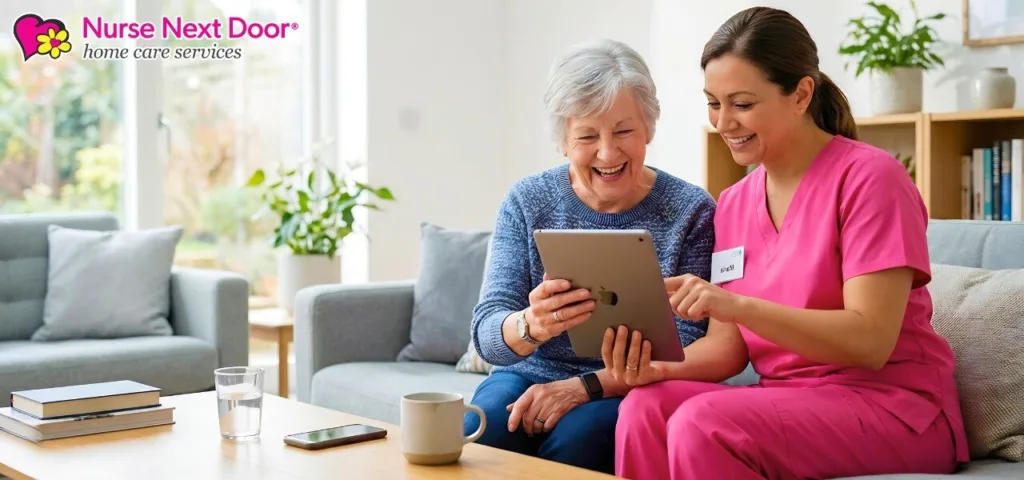
According to the U.S. Department of Health and Human Services, the likelihood of a senior requiring some form of long-term care is approximately 70%. As families in Northern Virginia face this reality, many are searching for solutions that allow their loved ones to remain safe, comfortable, and independent as they age in place at home.
For many families, balancing work, personal obligations, self-care, and caregiving responsibilities often leads to excessive stress and eventually, burnout. In such cases, some assistive technologies and elderly in-home care can be life-changing options. From smart home devices to remote healthcare monitoring and AI-powered tools, technology makes it easier than ever for seniors to stay in their homes. Let’s explore the role of such recent technologies and senior home care providers in Mclean like Nurse Next Door.
Smart Devices Support Safety and Independence
Smart devices can enhance safety while allowing seniors to maintain their independence for as long as possible. For example, smart devices with voice assistance and speakers provide gentle reminders throughout the day, whether it’s time to take medication, attend an appointment, or simply drink more water. Additionally, video doorbells maximize security by allowing seniors to see who is at the door without having to physically answer it. As an extra safeguard, family members can also check in via an app.
Motion sensors and automatic lighting systems prevent falls by ensuring that hallways and rooms are well-lit. There are even more advanced devices, such as smart stoves that automatically shut off, preventing dangerous accidents caused by forgetfulness among seniors. Together, these tools create a safer and more secure living environment, reducing many of the everyday risks associated with getting older. When combined with professional elderly in-home care, these technologies support safer independence.
In-home Medication Management Services and Recent Technologies
Medication adherence is one of the most critical yet challenging aspects of senior care. Many seniors don’t take their medications properly. Besides assistance from professional senior in-home medication management services, technology can help solve this problem with timed and locked automatic medication dispensers. Digital lockboxes distribute the prescribed dose at the proper time, thereby cutting the risk of missed or doubled doses.
Smartphone, various apps, smart speakers, and wearable devices also support daily compliance via scheduled reminders. Even better, many of these systems also notify caregivers and family members if a dose is missed. These tools are even more effective when they are judiciously paired with professional in-home support: caregivers who oversee medication schedules, ensure proper usage, and monitor for side effects or adverse interactions. This combination exponentially improves positive health outcomes for your loved ones.
Remote Monitoring and Telehealth
Another recent advancement in senior care is the increased use of remote monitoring and telehealth services. These technologies track the senior’s health in real time and don’t demand inconvenient in-person visits. Telehealth services remove inconvenient travel barriers such as mobility issues or chronic health conditions by allowing seniors to receive virtual visits with their doctors over the internet.
Wearable’s
Internet-connected glucose monitors, heart rate trackers, and blood pressure monitors can provide continuous data to the senior’s health care team. They detect unsafe readings promptly. Wearable’s even detect falls and automatically alert caregivers, family members, and emergency services.
Dementia Tech
For seniors with Alzheimer’s disease or other forms of dementia, GPS-enabled watches provide additional protection and assurance. They track the senior’s location at all times and prevent dangerous wandering episodes.
Safety and Security
Smart locks can be controlled remotely. The family can lock or unlock doors when necessary via an app on their smart phone. Connected smoke detectors and carbon monoxide alarms send alerts directly to caregivers and family members. Some of these systems track the senior’s daily habits, indicating if the senior is eating properly. For example, by sensing whether the refrigerator is being opened.
Overall, these integrated technologies support elderly in-home care by enabling early detection, providing continuous monitoring, and supporting more efficient coordination of care.
Social Interaction and Emotional Well-Being
Emotional well-being is just as important as physical health and safety. Social isolation is a serious issue among seniors. It increases the risk of negative health consequences like depression, heart disease, and cognitive decline.
Interpersonal Connections
Technology opens exciting new ways for lonely seniors to maintain contact with family members and friends around the world. Video calls, emails, and messaging platforms make it easier to maintain long-distance relationships. Social media and online communities provide opportunities to communicate with others with shared interests. In other words, geography is no longer a barrier to interpersonal connections.
VR and Games
Virtual reality empowers seniors to explore new places and interests and to revisit familiar ones, without having to leave their living rooms. Video games and brain training apps keep their minds active while also providing entertainment and a sense of personal accomplishment.
Chat bots
Companion chat bots are popular tools that offer comfort, companionship, and meaningful interaction, especially for seniors who live alone. Research indicates that this kind of social technology leads to better health, fewer chronic illnesses, and reduced symptoms of depression. When these technologies are paired with compassionate care giving, they promote the highest possible quality of life.
The Role of AI in Supporting Seniors
Artificial intelligence is perhaps the most exciting new development in senior care. AI-powered systems analyze data from various devices, identify patterns, and rapidly detect health concerns before they become serious problems. For example, AI can monitor changes in movement patterns, sleep quality, or even daily routines, and send alerts if anything looks unusual. Earlier interventions mean more proactive care.
Voice-enabled AI assistants can set personalized reminders, answer questions, and even provide companionship and conversation. They adapt to the senior’s habits and preferences over time to create more intuitive and supportive interactions. This type of technology-assisted care is still in its early stages. As it evolves, it will play an increasingly important role in delivering safer, more personalized care at home.
Opt for Nurse Next Door McLean’s Personalized In-Home Care
While technology is powerful, it is most effective when complemented with human connection. From providing in-home medication management services to ensuring a safe and comfortable living environment to vital sign monitoring, Nurse Next Door McLean delivers care that prioritizes independence, dignity, and quality of life. Our flexible approach allows families to choose the level of support that works best for everyone involved, whether that’s occasional assistance or long-term care.
The result is a higher standard of elderly in-home care that empowers seniors to maintain their dignity and their independence. If you’re exploring care options for a senior loved one, now is the time to take the next step.
Call Nurse Next Door today at (703) 774-9421 for a free Caring Consult.
FAQs
What types of smart devices support seniors living at home?
There are numerous devices that can be used alone or in combination with other tools: fall detection wearable’s, automated medication dispensers, voice assistance, motion sensors, and smart home monitoring systems.
How do medication reminders improve treatment adherence?
These systems provide alerts when medications are due, and prevent missed or duplicate doses.
Why are technology-assisted care services becoming more popular?
Technology-assisted care empowers seniors to remain safely in their homes while also giving families greater visibility and peace of mind.