
How a Missed Connection Led One Passenger to Explore Voos Delay Compensation
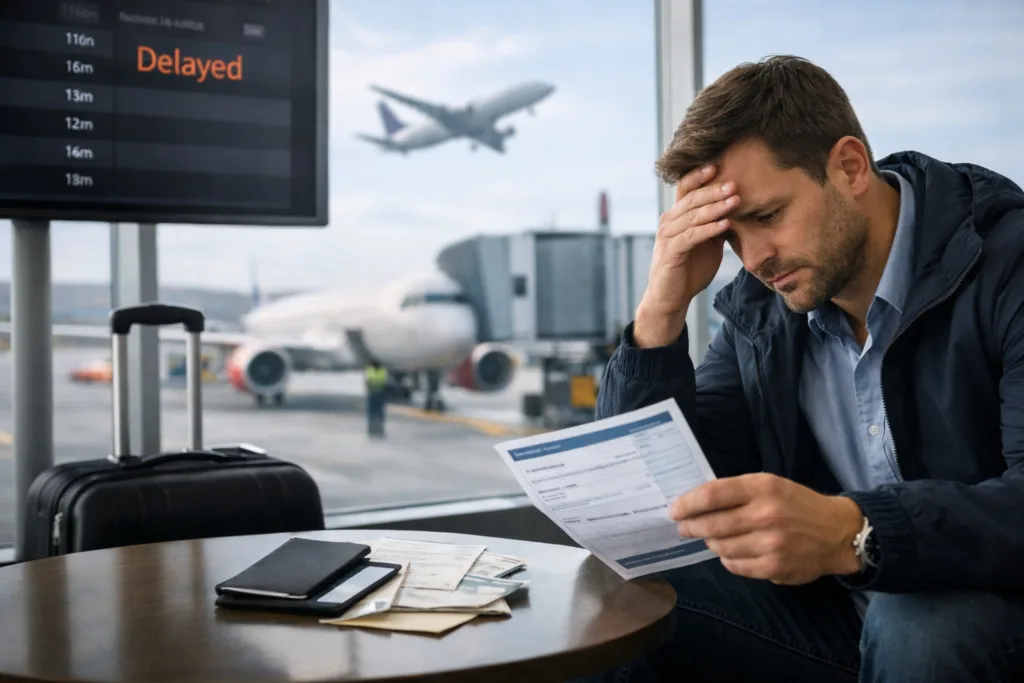
A missed connection can turn a pleasant journey into a long and costly day. I once heard about a passenger who had planned a trip to Scandinavia, but when the first leg of the journey was delayed, he had almost no chance of catching the next flight. What began as a frustrating airport experience soon led him to research Voos Delay Compensation, where he learned that in some cases, airline passengers may have stronger rights than they realize.
EU passenger rights regulations provide fixed compensation in cases of long delays for travelers, and SAS itself states that if a passenger arrives three hours or more late, they may be entitled to compensation depending on the nature of the disruption.
Why an Overlooked Connection Can Matter More Than a Delay
Not all delays seem serious at first. Sometimes it is just a 40-minute delay on the runway or a late arrival at the gate. The real problem often starts later, especially when a connection is part of the itinerary.
That is what happened to this traveler. The first flight landed late, the second gate had already closed, and the rest of the journey turned into several hours of uncertainty.
This is where many passengers become confused. They often focus on the first delay, but the main issue is usually the final arrival time at the destination. Under EU rules, passengers may qualify for compensation if they arrive at their final destination three or more hours late, unless the airline can show that the disruption was caused by extraordinary circumstances beyond its control.
When Delay Compensation May Apply
The Three-Hour Arrival Rule
In many cases, EU rules cover compensation when a passenger arrives at the final destination at least three hours late. This principle is clearly reflected in airline passenger rights guidance and broader European passenger rights rules.
The Cause of the Disruption Matters
Passengers do not automatically receive compensation just because a flight was delayed. Eligibility usually depends on what caused the disruption and whether the airline was responsible.
Extraordinary circumstances often include severe weather, major air traffic control restrictions, and security issues. In such situations, the airline may not be required to pay fixed compensation.
Care and Assistance Still Matter
Even when fixed compensation does not apply, passengers may still have other rights. According to SAS, travelers may be able to recover certain expenses caused by the delay. If the delay exceeds five hours and the passenger decides not to travel, they may also be entitled to a refund for the unused ticket.
This shows the difference between fixed compensation and the airline’s duty of care during disruption.
What the Passenger Did Next
After missing the connection, the traveler was rebooked on a later flight, which meant arriving several hours after the original scheduled time. That changed the situation from a simple inconvenience into a possible compensation case.
The passenger did not rely on assumptions. Instead, he kept the booking reference, boarding passes, updated flight details, and written notices issued by the airline.
This step is more important than many people realize. Passengers seeking reimbursement or compensation should usually contact the airline directly and follow its formal claims process. SAS also directs passengers to submit claims through its online customer service form instead of expecting payment at the airport.
How to Check Whether Your SAS Delay Qualifies
Look at the Full Journey, Not Just One Flight
If the trip was booked as one itinerary, the most important factor is usually the arrival time at the final destination. Even a short delay on the first segment can become a much bigger issue if it leads to a missed connection and an arrival delay of more than three hours overall.
That final arrival result is what the rules are mainly concerned with.
Check the Airline’s Explanation
Passengers should always review the reason given for the disruption. If the delay was caused by weather, airspace restrictions, or security issues, fixed compensation may be harder to claim.
If the problem appears to be linked to operational or organizational issues within the airline’s control, the claim may be stronger.
Keep Receipts and Written Records
Hotel bills, meal receipts, rebooking confirmations, and other written records can help support a reimbursement or care-related claim. These documents may still be useful even if compensation is disputed.
Official airline and regulator guidance both stress the importance of using the formal claims route and providing supporting evidence.
Common Mistakes Passengers Make
Many travelers assume that every delayed flight leads to compensation. That is not always true. Another common mistake is giving up because the airline did not solve the issue at the airport. Compensation is usually not paid on the spot.
SAS states that passengers should contact customer service through its claims form, and regulators make it clear that most claims must be filed after the trip.
Another mistake is confusing compensation with reimbursement. Compensation is a fixed amount that may apply under the regulations. Reimbursement can include a ticket refund or out-of-pocket expenses caused by the disruption.
Understanding that difference helps passengers make a stronger and more accurate claim.
Final Thoughts
A missed connection is not always just a travel headache. Sometimes it is the event that determines whether a passenger has a valid claim under air passenger rules.
This traveler’s experience shows why it is important to check the final arrival delay, understand the reason for the disruption, and use the airline’s formal claims process instead of relying on assumptions.
For anyone dealing with a heavily disrupted journey, knowing the basics of passenger rights can turn frustration into a well-supported compensation claim involving SAS Airline Compensation.
FAQs
Is it possible to count a missed SAS connection as a delay claim?
Yes, it can. If the flights were booked under a single ticket and the passenger arrived at the final destination three hours or more late, it may qualify as a delay compensation case depending on the cause of the disruption.
Does bad weather remove the right to compensation?
In many cases, yes for fixed compensation. Weather is commonly treated as an extraordinary circumstance. However, other passenger rights such as care, rerouting, or refunds may still apply.
Can a passenger make a claim at the airport?
Generally, no. SAS states that it does not pay compensation at the airport and instead directs passengers to use its online claims form.
What happens if the delay lasts more than five hours and the passenger no longer wants to travel?
According to SAS, a passenger may claim a full refund of the unused ticket if the delay exceeds five hours and they choose not to continue the journey.