
Expert Medium Voltage Switchgear Maintenance for Industrial and Commercial Systems
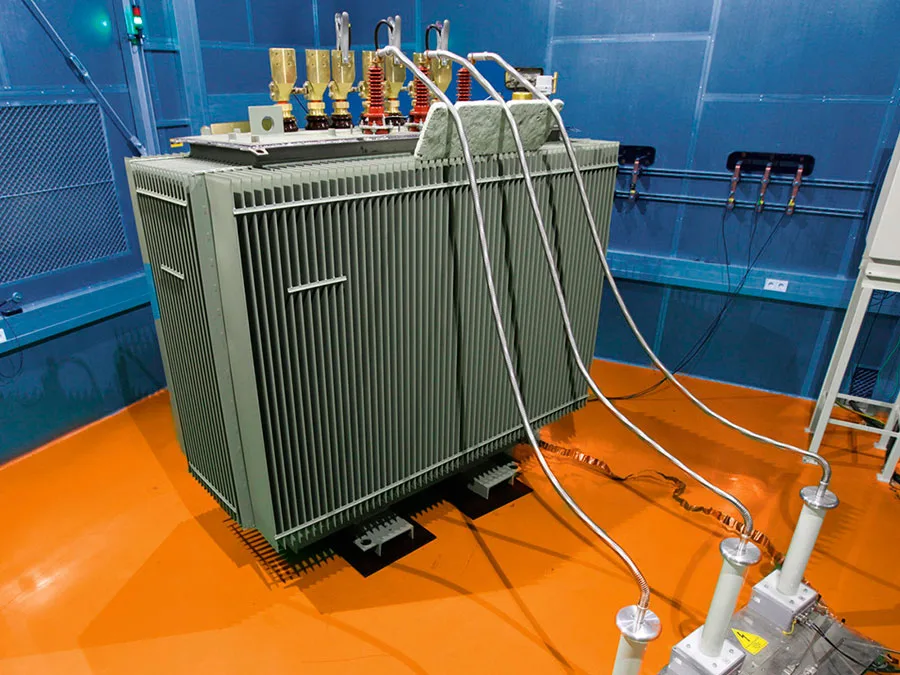
In industrial and commercial electrical systems, medium voltage switchgear serves as a critical component for power distribution, control, and protection. These systems operate typically between 1 kV and 36 kV and manage the flow of electricity from substations to various operational loads. MV switchgear ensures the safety of personnel, prevents equipment damage, and guarantees reliable power delivery in demanding environments.
Proper maintenance of MV switchgear is essential to preserve operational efficiency, extend equipment lifespan, and minimize unplanned downtime. Regular maintenance not only enhances safety but also ensures compliance with international standards and operational best practices.
This article explores expert medium voltage switchgear maintenance, covering the components, maintenance strategies, safety protocols, testing procedures, and benefits for industrial and commercial systems.
Understanding Medium Voltage Switchgear
What is Medium Voltage Switchgear?
Medium voltage switchgear is a combination of electrical devices designed to control, protect, and isolate circuits operating in the medium voltage range. MV switchgear typically includes:
- Circuit breakers
- Disconnectors and isolators
- Protective relays
- Busbars
- Instrument transformers (current and voltage transformers)
- Control and monitoring systems
By centralizing control, MV switchgear ensures efficient load management, fault detection, and system reliability in industrial plants, commercial facilities, and utility networks.
Importance in Industrial and Commercial Systems
MV switchgear is crucial in industrial and commercial applications for several reasons:
- Safety: Protects personnel from electric shocks, arc flashes, and other electrical hazards.
- Operational Reliability: Maintains uninterrupted power distribution for critical systems.
- Energy Efficiency: Enables optimized load distribution and reduced energy losses.
- Scalability: Supports network expansion and integration of modern technologies.
Key Components of Medium Voltage Switchgear
Circuit Breakers
Circuit breakers are the primary protective devices in MV switchgear. They automatically disconnect circuits during overloads or short circuits, preventing damage to equipment and ensuring system safety. Common types include:
- Vacuum Circuit Breakers (VCB): Reliable, low-maintenance breakers suitable for industrial networks.
- SF6 Circuit Breakers: High-performance breakers used in high-voltage systems.
- Air Magnetic Circuit Breakers: Designed for industrial applications with robust fault protection.
Disconnectors and Isolators
Disconnectors safely isolate parts of the system during maintenance or emergencies. They prevent accidental energization and ensure a safe working environment.
Busbars
Busbars distribute electrical power within switchgear assemblies. Proper maintenance ensures reliable current conduction and prevents overheating or faults caused by loose connections.
Protective Relays and Instrument Transformers
Protective relays detect abnormal conditions, such as overcurrent, short circuits, and voltage fluctuations, and trigger circuit breakers. Instrument transformers, including current transformers (CTs) and voltage transformers (VTs), provide accurate measurements for monitoring and control.
Control and Monitoring Systems
Advanced MV switchgear integrates digital control and monitoring systems, enabling operators to track voltage, current, and load conditions in real time. These systems support predictive maintenance and operational efficiency.
Importance of Expert Maintenance
Enhanced Safety
MV switchgear maintenance prevents electrical hazards such as arc flashes, electric shocks, and fires. Inspecting insulation, connections, and mechanical components ensures the safety of personnel and equipment.
Operational Reliability
Regular expert maintenance minimizes unplanned outages, ensuring uninterrupted power supply for industrial and commercial operations.
Extended Equipment Life
Routine inspection, testing, and servicing reduce wear and tear on components, extending the lifespan of switchgear equipment and avoiding premature replacement.
Cost Savings
Preventive and expert maintenance reduces emergency repair costs, lowers downtime losses, and optimizes operational efficiency, saving both time and money.
Maintenance Strategies for MV Switchgear
Visual and Mechanical Inspection
Routine visual inspections identify signs of wear, corrosion, dust accumulation, or overheating. Mechanical inspections include checking:
- Contact alignment and condition
- Operating mechanisms of breakers and disconnectors
- Tightness of bolts and fasteners
Electrical Testing
Electrical tests verify the integrity and performance of switchgear components:
- Insulation Resistance Testing: Detects deterioration in insulation materials.
- Contact Resistance Measurement: Ensures low-resistance connections for efficient current flow.
- Functional Testing: Confirms correct operation of breakers, relays, and protection systems.
- Thermal Imaging: Identifies hotspots or overheating components that could lead to faults.
Cleaning and Environmental Maintenance
Dust, moisture, and contaminants can compromise switchgear performance. Cleaning enclosures, ensuring proper ventilation, and maintaining suitable environmental conditions protect equipment and enhance reliability.
Digital and Monitoring System Maintenance
For MV switchgear equipped with digital monitoring systems:
- Update firmware and software
- Calibrate sensors and meters
- Test communication networks and alarms
- Verify remote monitoring and control functions
These steps ensure accurate data and predictive maintenance capabilities.
Safety Protocols During Maintenance
De-Energized Maintenance
Whenever feasible, maintenance should be performed with the switchgear de-energized to reduce the risk of electric shock or arc flash. Follow lockout/tagout procedures strictly.
Personal Protective Equipment (PPE)
Personnel should wear proper PPE, including gloves, face shields, and arc-rated clothing, based on voltage levels and maintenance tasks.
Emergency Preparedness
Maintenance teams should be trained to respond to emergencies, including isolating faulty circuits, operating backup power, and following alarm protocols.
Documentation and Record-Keeping
Maintain comprehensive records of inspections, test results, repairs, and maintenance schedules. Proper documentation ensures compliance with safety standards and helps monitor equipment performance over time.
Best Practices for MV Switchgear Maintenance
Scheduled Maintenance
Establish a routine maintenance schedule based on manufacturer recommendations and operational criticality:
- Monthly: Visual inspections and basic operational checks
- Quarterly: Cleaning, mechanical adjustments, and functional testing
- Annually: Comprehensive testing, calibration, and major maintenance tasks
Predictive Maintenance Integration
Use predictive maintenance tools such as thermal imaging, vibration analysis, and real-time monitoring to identify potential issues before they affect operations.
Trained and Skilled Personnel
Maintenance should be performed by trained personnel familiar with MV switchgear safety protocols, electrical standards, and equipment-specific procedures.
Spare Parts Availability
Maintain a stock of critical spare parts such as circuit breakers, fuses, and contactors to enable rapid replacements and minimize downtime.
Coordination with Operations
Coordinate maintenance activities with operational schedules to ensure safety and reduce disruptions to production or commercial activities.
Benefits of Expert MV Switchgear Maintenance
Enhanced Safety
Regular maintenance protects personnel and equipment from electrical hazards, arc flashes, and equipment failures.
Operational Reliability
Expert maintenance ensures continuous power supply, reducing downtime and supporting uninterrupted industrial or commercial operations.
Cost Efficiency
Preventive maintenance reduces emergency repair expenses and minimizes losses from unplanned outages.
Extended Equipment Lifespan
Routine servicing and testing reduce wear on components, extending the useful life of switchgear systems.
Compliance and Assurance
Maintaining MV switchgear according to international standards (IEC, ANSI, IEEE) guarantees safety, reliability, and regulatory compliance.
Conclusion
Expert medium voltage switchgear maintenance is vital for the safe, reliable, and efficient operation of industrial and commercial power systems. By implementing preventive maintenance strategies, conducting thorough inspections and testing, and adhering to safety protocols, organizations can minimize downtime, extend equipment lifespan, and ensure uninterrupted electrical supply.
Properly maintained MV switchgear safeguards personnel, protects critical infrastructure, and supports energy efficiency, scalability, and operational reliability in industrial and commercial applications.
For professional medium voltage switchgear maintenance services and tailored solutions for your industrial or commercial systems,
Contact Us today to consult with our experts and ensure the efficiency and longevity of your electrical equipment.