
Ensure Your Content is Human-Written
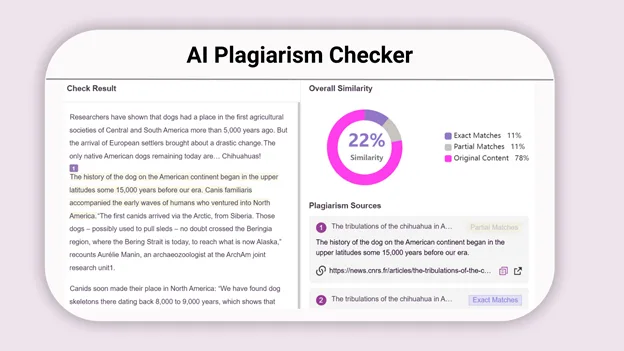
In the race to rank on Google, content is your most valuable asset. But with the rise of AI writing tools, a new challenge has emerged: ensuring your content is genuinely human-written. Google’s helpful content updates prioritize authentic, experience-driven articles, meaning that robotic, low-quality text can harm your SEO efforts. Verifying that your content is original and sounds natural is no longer optional; it’s essential for long-term success.
Authentic content builds trust with your audience and signals to search engines that you provide real value. It’s about creating a connection, not just filling a page with keywords. By focusing on a human-first approach, you protect your brand’s reputation and build a sustainable foundation for your digital presence. This guide explores practical scenarios where verifying human-written content is critical.
SEO Agencies Managing Content at Scale
Real-World Scenario: An SEO agency manages dozens of clients, each requiring a steady stream of blog posts, articles, and web copy. The agency works with a team of in-house writers and external freelancers. The primary challenge is maintaining consistent quality and originality across hundreds of articles per month. A single plagiarized or poorly written AI article could damage a client’s reputation and search rankings, reflecting poorly on the agency.
The content manager needs a reliable system to check every submission before it goes to the client or gets published. They must ensure that the content is not only unique but also captures the client’s brand voice and provides genuine expertise. Manually reviewing every sentence for an AI-like tone is inefficient and prone to error, especially under tight deadlines.
Benefits of Verification
For an agency, implementing a strict verification process offers huge benefits. It safeguards client relationships by delivering consistently high-quality work. It also streamlines the editing process, allowing editors to focus on strategic improvements rather than basic originality checks. Using a dedicated Plagiarism Checker helps automate the initial screening, catching potential issues early. This protects clients from potential Google penalties associated with unhelpful or duplicate content, reinforcing the agency’s value and expertise.
Over time, this process builds a reputation for reliability and quality. Clients are more likely to trust an agency that demonstrates a clear commitment to authentic, human-first content. It also helps in training writers, as feedback based on checker results can guide them to improve their craft and better align with brand standards.
Practical Workflow
The workflow for an agency is built around quality control checkpoints. First, a writer submits a draft. Before it even reaches the editor for a manual review, the content manager runs the text through an advanced tool that checks for unoriginal content and AI-generated patterns. This initial scan flags any sentences or paragraphs that are copied from other sources or have characteristics of AI writing.
Next, the editor reviews the report alongside the article. If sections are flagged, they are scrutinized for awkward phrasing, lack of depth, or factual inaccuracies, which are common signs of unedited AI content. Based on this analysis, the draft is either approved, returned to the writer with specific revision requests, or rejected. This systematic approach ensures that every piece of content published is original, valuable, and genuinely helpful to the reader.
Academic Institutions Upholding Integrity
Real-World Scenario: A university professor is grading final-year research papers. In recent years, they have noticed a decline in critical thinking and an increase in submissions that sound generic and lack a clear, analytical voice. The professor suspects that some students are using AI tools to write their essays, which undermines the core purpose of the assignment: to demonstrate understanding and develop research skills.
The challenge is to fairly and accurately identify which papers are AI-generated without making false accusations. The professor needs an objective tool to support their own expert judgment. This is crucial for maintaining academic standards and ensuring that all students are graded on their own merit and effort.
Benefits of Verification
Upholding academic integrity is the primary benefit in this use case. By identifying AI-generated content, educators can ensure a level playing field for all students. Using a reliable ai plagiarism checker provides concrete evidence to start a conversation with a student about academic honesty. It turns a subjective suspicion into an objective data point, which is crucial for fair assessment.
This process also helps educate students on the ethical use of technology. Instead of outright banning AI, instructors can use these tools to teach students how to use them responsibly for brainstorming and research while emphasizing the importance of original thought and proper citation. It reinforces the value of the learning process itself, not just the final output.
Practical Workflow
An effective workflow in an academic setting starts with clear communication. At the beginning of the semester, the instructor should outline the institution’s policy on AI-generated content and explain how submissions will be checked. When assignments are submitted, they can be uploaded to an institutional portal that automatically scans each paper for originality and AI content.
The professor then reviews the reports for each submission. A high AI-similarity score doesn’t automatically mean cheating, but it does warrant a closer look. The professor would then manually review the flagged sections, looking for a lack of specific examples, overly complex vocabulary used incorrectly, or a disconnect between different parts of the paper. If concerns remain, the report serves as a basis for a meeting with the student to discuss their writing process and sources.
Individual Bloggers Building a Unique Brand
Real-World Scenario: A solo blogger runs a popular website about sustainable gardening. They are an expert in the field but struggle to find the time to write multiple in-depth articles each week. To speed up the process, they use an AI assistant to generate outlines and first drafts. However, they know that their audience follows them for their unique voice, personal stories, and hands-on experience.
The blogger’s main goal is to ensure their final published content is 100% their own, with any AI-generated text completely rewritten to reflect their personality and expertise. They need a way to check their own edited drafts to catch any leftover generic phrases or sentences that might sound robotic before they hit “publish.”
Benefits of Verification
For an individual creator, the biggest benefit is preserving brand authenticity. Readers connect with a person, not a machine. Verifying that the final article is human-written ensures the blogger’s unique voice remains intact, which is key for building a loyal community and establishing authority. It helps the blogger use AI as a tool for efficiency without sacrificing the quality and personality that sets their content apart.
This practice also future-proofs their website. As search engines become more adept at distinguishing between helpful, human-first content and generic AI articles, having a library of genuinely authentic content will become a significant ranking advantage. It protects the blogger’s long-term SEO investment and reduces the risk of being negatively impacted by future algorithm updates.
Practical Workflow
The blogger’s workflow integrates AI as a starting point, not a final solution. First, they generate an outline or a rough draft on a specific topic. Then, the real work begins. They rewrite every section, adding personal anecdotes from their garden, specific data from their own experiments, and opinions based on their years of experience. They replace generic advice with actionable, detailed steps.
Once the draft is heavily edited and feels like their own, they perform a final check. They run the text through a human-written content checker to see if any phrases still trigger AI detection. This final step acts as a safety net, catching any sentences that might have been overlooked. Based on the feedback, they make final tweaks to ensure the entire article is polished, personal, and provides unique value to their readers.
Conclusion
Ensuring your content is human-written is no longer a technicality, it’s a core component of a successful SEO and content strategy. Whether you’re an agency managing client reputations, an educator upholding academic standards, or a blogger building a personal brand, the goal is the same: to create authentic, valuable, and trustworthy content. Using verification tools as part of a thoughtful workflow allows you to maintain quality and integrity at scale. Ultimately, content that resonates with people is the content that search engines will continue to reward.