
AI Memory Layers: The Missing Piece for Enterprise-Grade Automation
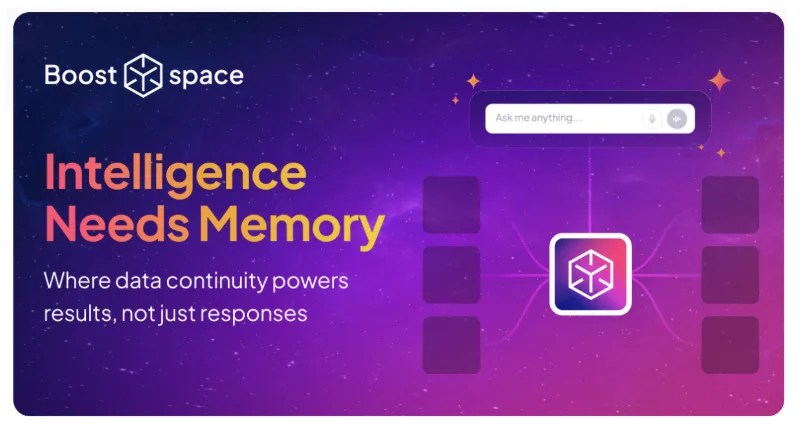
As artificial intelligence and automation sweep through modern enterprises, it quickly becomes clear that raw computational power or bigger language models aren’t enough. The true differentiator for business impact is memory—AI’s ability to recall previous interactions, understand historical context, and connect insights across workflows. This is precisely where AI memory layers come into play, bridging the gap between stateless algorithms and real-world, outcome-driven automation.
From Stateless AI to Enterprise Intelligence
What Are AI Memory Layers?
In simple terms, an AI memory layer is an architectural component that provides persistent, organized, and queryable storage of data and context for digital agents or AI systems. Unlike traditional integrations that simply shuttle information back and forth, a memory layer ensures that what the AI learns or interacts with isn’t instantly forgotten.
By maintaining continuity—be it customer histories, project workflows, product information, or operational procedures—AI memory layers transform “smart” tools into truly intelligent partners that deliver consistent value across sessions, departments, and even entire organizations.
Why Are AI Memory Layers Critical for the Modern Enterprise?
1. Unlocking Continuity and Personalization
Without memory, every AI interaction is a “groundhog day”—forced to relearn preferences and re-ask the same questions. With a memory layer, AI can continue conversations, resolve customer issues faster, and personalize recommendations or workflows over time—driving up satisfaction, efficiency, and brand loyalty.
2. Powering Context-Rich Automation
Stateless bots falter at multi-step processes and cross-system logic. Memory layers underpin advanced automations that adapt to evolving circumstances, recall exceptions, and maintain synchronized states across dozens or hundreds of integrated tools.
3. Enabling Scalable, Reliable Decision-Making
Inconsistent or siloed data breeds errors, manual workarounds, and delayed response. With a central AI memory, businesses ensure that every agent or automation acts on governed, up-to-date, and consistent information—unlocking a “single source of truth” that powers analytics and decision engines.
4. Reducing Manual Effort, Enhancing Governance
With autonomous agents able to reference historical context—tickets resolved, cases escalated, approvals pending—teams spend less time searching and double-checking, while compliance and audit trails are built-in by design.

Market Trends: The Shift Toward Memory-Driven AI in 2025
Analyst research highlights a market-wide recognition: stateless AI is out; context-rich, memory-driven ecosystems are in. The failure rate for isolated AI projects that neglect memory is high, while enterprises implementing memory layers report:
– Up to 70% faster completion of repetitive or context-dependent workflows
– Substantial gains in customer satisfaction and operational efficiency
– Smarter, more consistent automation—reducing error rates and manual oversight
This “memory-first” approach is quickly becoming best practice, especially in industries where customer experience, compliance, or long-lived workflows are a competitive differentiator.
The Boost.space Perspective: Enterprise-Grade AI Memory in Action
At [Boost.space](https://boost.space/blog/why-are-ai-memory-layers-critical-for-modern-enterprises/), the memory layer isn’t just a technical add-on—it’s the foundation of all agentic automation. By centralizing and structuring contextual information (contacts, orders, workflows, internal rules), Boost.space enables AI and digital agents to access persistent, queryable knowledge, resulting in:
– Fewer repeated questions and handoffs in support or sales
– Richer, more adaptable workflow automations that adjust based on “lived” business data
– Transparent, governed memory—fulfilling compliance and audit requirements
With over 2,000+ integrations and a secure, GDPR-compliant architecture, Boost.space gives enterprises the confidence to invest in next-gen automation—knowing their AI agents won’t “forget” what matters most.
Memory is the Foundation of Enterprise AI
As organizations push to scale automation, self-service, and AI-driven value, the question is not “how smart is my AI?” but “how good is its memory?” Investing in strong AI memory layers resolves digital amnesia, unleashes personalization and process resilience, and unlocks tangible business ROI for the agentic enterprise.