
How Himalayan Salt Tiles Are Transforming Spa and Wellness Architecture
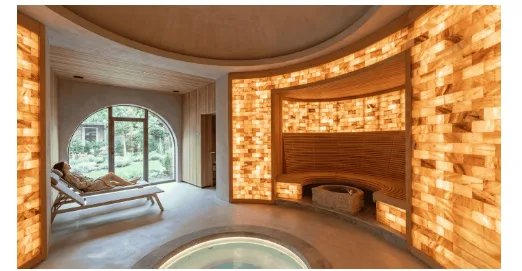
The modern spa and wellness industry is evolving beyond treatments alone. Today, architecture and interior design play a crucial role in creating immersive, restorative environments. One of the most influential materials driving this transformation is Himalayan salt, valued not only for its visual appeal but also for its association with holistic wellness concepts.
From luxury spas to wellness retreats, designers are increasingly incorporating salt-based elements to elevate both aesthetics and experience.
The Rise of Natural Materials in Wellness Design
Wellness architecture focuses on harmony between the built environment and human well-being. Natural materials such as wood, stone, water features, and mineral elements are now central to spa design.
Among these, Himalayan Salt Tiles have emerged as a standout feature. Their warm glow, organic texture, and natural origin align perfectly with the principles of biophilic design connecting people with nature to promote relaxation and balance.
Why Himalayan Salt Tiles Are Gaining Popularity
Salt tiles are more than a decorative trend. Their appeal lies in the multi-sensory experience they create.
Key benefits include:
- Soft ambient lighting that enhances calm and relaxation
- A unique visual texture that adds depth to walls and partitions
- Association with salt therapy concepts often used in wellness spaces
- Durability and versatility for walls, ceilings, and feature installations
These qualities make salt tiles a preferred choice for architects seeking to design spaces that feel both luxurious and restorative.
Transforming Spa Interiors and Wellness Spaces
In spa environments, atmosphere is everything. Salt tile installations are commonly used in:
- Relaxation rooms and meditation areas
- Sauna and steam room walls
- Reception areas and feature walls
- Yoga and mindfulness studios
When backlit, salt tiles emit a warm, natural glow that enhances mood and supports a tranquil environment, an essential component of effective wellness design.
Architectural Impact Beyond Traditional Spas
The influence of salt tiles is no longer limited to spas alone. Wellness-focused architecture has expanded into:
- Luxury hotels and resorts
- Health and rehabilitation centers
- Corporate wellness spaces
- Residential wellness rooms
Architects and designers are increasingly integrating salt-based elements to differentiate their projects while maintaining a natural, calming aesthetic.
Quality and Sourcing Matter
For architectural applications, consistency and quality are critical. Properly cut, high-grade salt tiles ensure structural stability and visual uniformity. Reputable suppliers such as Sobaan Himalayan Salt provide tiles that meet design and durability requirements while preserving the natural characteristics that make Himalayan salt so desirable.
The Future of Wellness Architecture
As wellness continues to influence architecture and interior design, materials that support sensory comfort and natural aesthetics will remain in high demand. Himalayan salt tiles represent a blend of tradition and modern design, offering architects a material that resonates with both form and function.
Their continued use reflects a broader movement toward spaces that heal, restore, and inspire making them a defining element in the future of spa and wellness architecture.