
Travel Insurance Features to Compare before Visiting the USA, Japan, or Australia
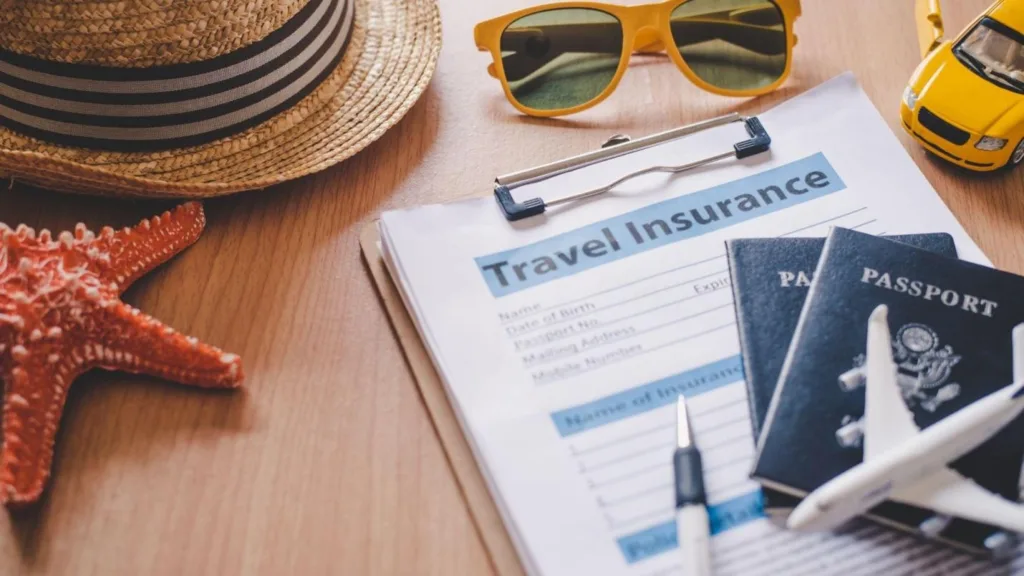
A trip to the USA, Japan or Australia usually involves long flights, planned stays and higher travel expenses. Before you leave, compare the features of your travel insurance rather than choosing a policy just because it is easy to buy.
A clear comparison helps you understand how the policy may support you in the event of medical needs, baggage issues, delays, missed connections, or other travel-related concerns, depending on the policy wording.
Medical Expense Cover
Check whether the medical expense cover includes emergency hospitalisation, doctor consultations, diagnostic tests, prescribed medicines, emergency dental treatment, and treatment for accidental injuries during the trip. This feature matters for all three destinations.
The USA is known for higher medical expenses, Japan may feel unfamiliar because of the language and local procedures, and Australia often involves long-distance travel between cities. Choose a medical cover limit based on your trip duration, age, health needs, and destination.
Emergency Assistance Support
Emergency assistance support is useful when you are in a foreign country and do not know which hospital to visit or whom to contact first. Compare whether the policy offers access to an emergency helpline, hospital guidance, claim support and coordination during urgent situations.
If you are buying Japan travel insurance, this feature can be especially helpful, as many Indian travellers may not be familiar with local medical procedures. Before travelling, save the assistance number, policy number and insurer contact details on your phone and email.
Cashless Hospital Access
Cashless hospital access may reduce the need for large, immediate payments during an eligible medical emergency, depending on the policy terms and the hospital network. When comparing travel insurance, check whether the insurer offers global assistance support and how cashless treatment is arranged abroad.
Check when you need to contact the assistance team, what details you must share and whether approval is required before treatment.
Medical Evacuation and Repatriation
Medical evacuation and repatriation are important for long-distance destinations. If a traveller needs to be moved to another medical facility or brought back home for further care, this benefit may become relevant depending on the medical condition and policy terms.
For the USA, Japan, and Australia, compare this feature carefully because distance, hospital location, and travel restrictions can affect emergency transport.
Trip Delay and Missed Connection Cover
Flights to these destinations often include long routes or connecting flights. A delay may affect hotel check-ins, domestic transfers, planned tours or business meetings. Compare whether the policy includes trip delay, missed connection and travel interruption benefits.
A valid delay and the documents you may need to support a claim, as the insurer may ask for Airline confirmation, revised tickets, and delay proof during claim submission.
Baggage and Passport Protection
Baggage delay, baggage loss or passport loss can create difficulty, especially after a long international flight. Compare features such as checked baggage delay, checked baggage loss, and passport loss assistance.
This feature is useful for the USA, where travellers may take internal flights; for Japan, where city-to-city travel is common; and for Australia, where distances between major cities can be long. Keep airline reports, complaint copies and purchase receipts safely.
Personal Liability Cover
Personal liability cover may support you if you accidentally cause injury to another person or damage third-party property during your trip, as per policy terms.
This feature is worth comparing when you stay in hotels, serviced apartments or homestays, or when you visit public places. Review the benefit limit, conditions and claim process before choosing a policy.
Cover for Your Travel Purpose
Your policy should match the purpose of your visit. A tourist, a student, a business traveller, and a family visitor may need different levels of cover. A student going to Australia may need a longer-duration policy.
A business traveller to the USA may focus on delays, baggage and emergency assistance. A holidaymaker comparing Japan travel insurance may look closely at medical support, baggage protection and local assistance services.
Claim Process and Document Requirement
A policy becomes easier to use when the claim process is clear. Compare how claims are reported, what documents are required and whether online claim submission is available.
Medical bills, prescriptions, payment receipts, airline letters, police reports and passport-related documents may be needed depending on the claim type.
Final Thoughts
Travel insurance should be compared feature by feature before visiting the USA, Japan or Australia. Review medical cover, emergency assistance, cashless access, evacuation, trip delay, baggage protection, personal liability and claim process.
A policy that matches your destination, travel purpose, and stay duration can give you greater clarity before travel, while all benefits remain subject to the policy terms.