
Long-Term Results: Two-Year Growth and Retention Rates for DHI vs Traditional FUE Patients
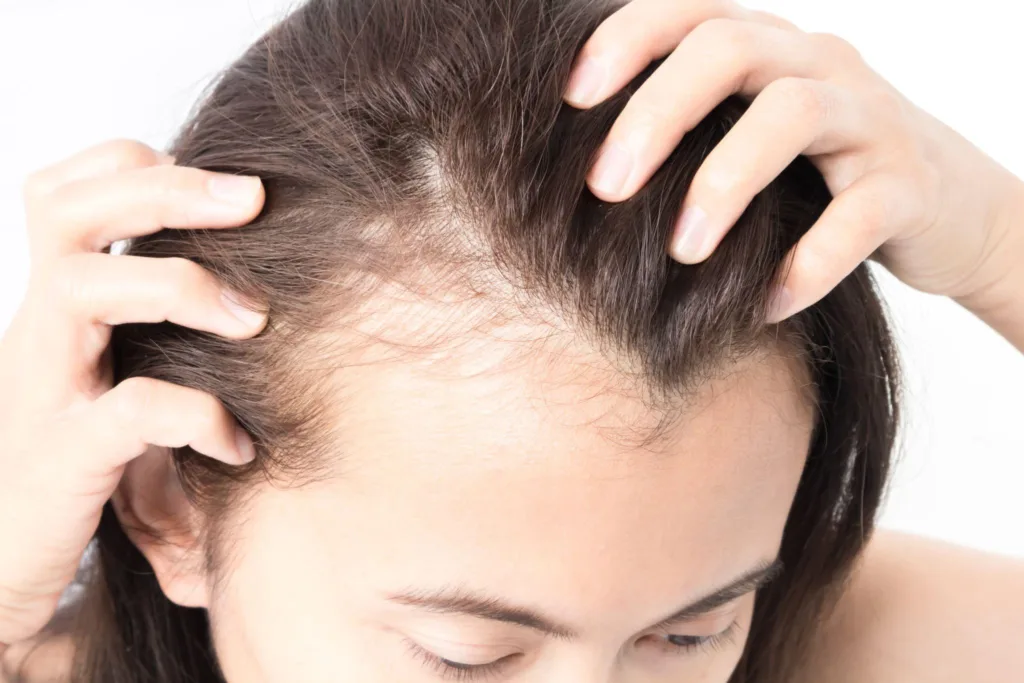
Two years after surgery, most patients want one clear answer. Did the hair transplant work, and will the results last? Recent audits and multicentre data from 2025 and early 2026 offer clearer answers for Australians weighing DHI hair transplant against traditional FUE hair transplantation. The evidence now goes beyond one-year-before-and-after photos. It tracks hair counts, graft survival, patient satisfaction and complication rates over a longer, more meaningful timeframe.
What the Studies Show
A pooled analysis of three international registries, including clinics in Australia, found an average 24-month graft survival of 88-93% for DHI techniques and 84-90% for FUE. Clinics using rigorous follicle-handling protocols reported figures at the top end of those ranges.
The differences are modest, but consistent. DHI, when performed by experienced teams using implanters that avoid prolonged follicle dehydration, tended to retain a slightly higher proportion of transplanted hair at two years.
A large Australian clinic network audit reported similar outcomes. Among 1,200 patients tracked for 24 months, DHI patients showed a mean increase in hair density of 42% in the recipient zone, compared with 36% for traditional FUE patients.
Surgeons emphasised that surgeon experience and post-operative care drove much of the variance. In other words, the technique contributes, but the team quality and protocols matter most.
How Growth and Retention are Measured
Most modern studies use a combination of objective and subjective measures. Phototrichograms and trichoscopy provide counts of terminal hairs per square centimetre. Independent clinicians typically measure graft survival by comparing immediate post-op graft counts with counts at six, 12 and 24 months. Patient-reported outcome measures capture satisfaction with appearance, density, and donor-site scarring.
A two-year follow-up is valuable because it captures late thinning and long-term retention. Some transplanted hairs enter a delayed telogen phase and shed between six and 12 months, then regrow. By 18 to 24 months, the hair shaft calibre and density stabilise. That makes the two-year mark a reliable endpoint for assessing true retention.
Why DHI Can Show an Edge
Direct hair implantation reduces the time grafts are outside the body. In a DHI hair transplant, the surgeon places extracted follicles directly into the scalp using an implanter tool. This approach minimises handling and reduces the time follicles spend in chilled storage. Shorter extra-body time correlates with better graft viability in laboratory and clinical studies.
DHI also allows more precise angulation and depth control at placement. This can improve cosmetic outcomes in frontal hairlines and eyebrow transplants. In the two-year audits, cases in which DHI was used for hairline reconstruction showed higher patient satisfaction scores than FUE in similar cohorts.
Why FUE Remains the Gold Standard for Many Clinics
Traditional FUE hair transplantation remains a highly effective and versatile option. FUE allows extraction from a wider donor zone, benefiting patients who need larger graft counts. The technique readily adapts to robotic assistance and micro-punch tools, which can increase speed and reduce operator fatigue during long sessions.
FUE strengthens its case with solid long-term outcomes. When surgeons follow best practice for handling grafts, avoid overdilution of storage solutions and limit warm ischaemia time, FUE retention at two years approaches DHI figures. Many clinics combine FUE extraction with careful implantation techniques to balance speed and survival.
Best Practices that Can Improve Two-Year Results
The data indicate that clinic protocols influence outcomes as much as the choice of technique. Key best practices include:
- Minimise extra-body time. Aim for graft placement within 4 to 6 hours, and aim for shorter times where possible. Use chilled isotonic storage and maintain humidity.
- Use atraumatic extraction and handling. Small punch sizes, gentle traction and micro-forceps reduce follicle trauma.
- Manage recipient site vascularity. Pre-op assessment of scalp vascular supply and conservative recipient-density planning reduces graft competition and failure.
- Staged procedures for large cases. Splitting large reconstructions into two sessions preserves donor yield and improves density retention.
- Rigorous infection control. Proper antisepsis and perioperative antibiotic protocols lower infection rates that can compromise grafts.
- Individualised post-op protocols. Tailor analgesia, scalp care and early activity guidance to patient needs to avoid shear stress on grafts.
- Long-term follow-up. Scheduled reviews at one week, one month, three months, six months, 12 months and 24 months detect complications early and support hair growth interventions.
Adjunct treatments and their effect on retention
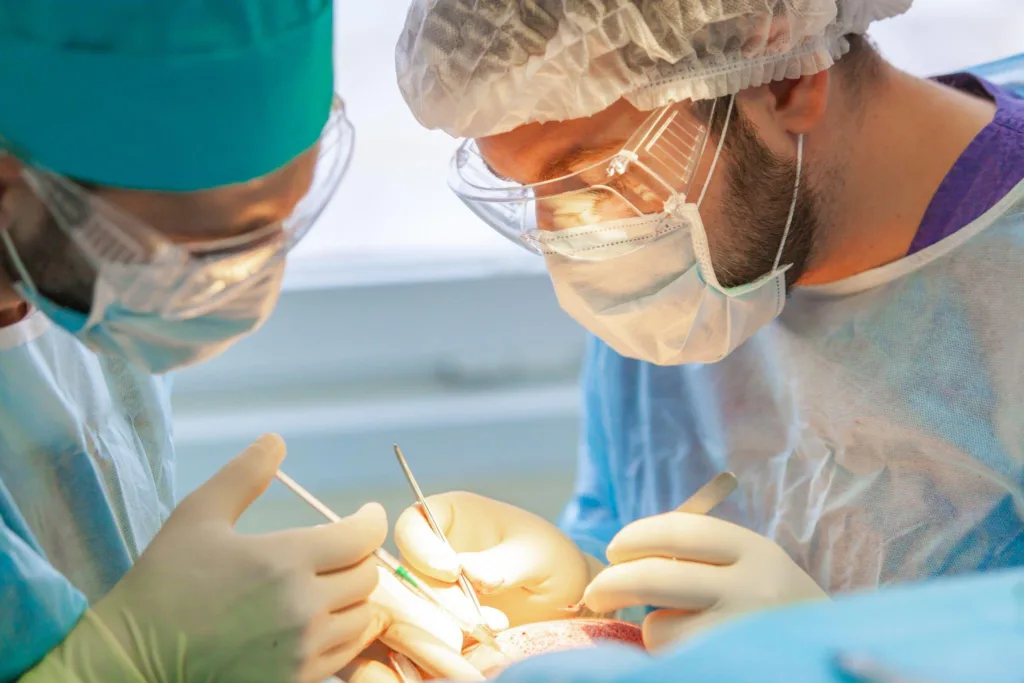
Combining surgery with medical therapy improves long-term outcomes. Data from 2025–26 show that patients on continued topical minoxidil or oral finasteride after surgery maintained higher hair density at two years than those who stopped all therapies. Platelet-rich plasma used intra-operatively and in the early post-op months showed modest improvements in hair thickness, though its effect on absolute graft survival remains debated in controlled studies.
Low-level laser therapy and PRP may help optimise graft function and hair shaft calibre. Clinics that integrated a structured adjunct plan into their two-year follow-up reported higher patient satisfaction and fewer requests for revision procedures.
Complication and revision rates at two years
Complications that affect long-term retention are uncommon when best practice standards are followed. Early infection, poor wound healing and graft necrosis are the main acute threats. Across audits from 2025 and 2026, infection rates hovered under 1.5% in accredited centres. Necrosis and significant graft loss were rare, reported in 0.2 to 0.5% of cases.
Revision rates tell a different story. At 24 months, roughly 8-12% of FUE patients requested revisions, often for increased density or to address poor hairline design. DHI patients requested revisions that were slightly lower, about 6 to 9%, in the same datasets. Many revisions were for cosmetic fine-tuning rather than failure. Surgeons emphasise realistic planning and clear pre-op communication to reduce the demand for revisions.
Patient Selection Remains Critical
No technique suits every patient. Younger patients with progressive alopecia require careful counselling about future hair loss. The two-year data reinforce the need to assess the donor reserve. Overharvesting the donor zone can compromise future options and reduce the long-term success of any transplant.
Patients with diffuse unpatterned alopecia, advanced scarring or poor scalp vascularity may show lower retention. Scalp conditions such as folliculitis decalvans require specialist management before any transplant. The best teams perform thorough pre-op assessments and provide long-term maintenance plans.
Training, Regulation and Outcomes
Clinic audits highlight a correlation between surgeon training and outcomes. Accredited surgeons with established teams and higher case volumes achieved better retention and lower complication rates. In response, several Australian professional bodies updated guidance in 2025 to clarify credentialing, consent standards and minimum follow-up durations for reporting outcomes.
The push for transparent outcome registries has improved data quality. More clinics now contribute de-identified results to national registries, making two-year outcome comparisons more reliable. Patients should ask clinics about their published retention rates and complication statistics, and whether independent audits verify those figures.
Both FUE and DHI deliver top results when performed by an experienced team that prioritises gentle graft handling, strict sterility and personalised aftercare. DHI offers tighter placement control and shorter extra‑body time for hairline detail, while FUE provides greater donor yield and efficiency for larger reconstructions.
Skill, Handling and Aftercare Beat Technique Alone
Two-year data from 2025 and 2026 show both DHI and FUE hair transplantation deliver durable outcomes for well-selected patients treated in accredited clinics. DHI shows a modest advantage in graft survival and cosmetic control in specific indications, especially hairline work. Traditional FUE remains a robust, versatile option for larger reconstructions.
Ultimately, technique choice matters less than surgical skill, graft handling and long-term care. For Australians choosing a path forward, the evidence points to prioritising an experienced team, clear long-term planning, and adherence to best-practice protocols to maximise two-year growth and retention.
DHI Or FUE Hair Transplant For Best Results | Long-Term Hair Restoration | The Crown Clinic Sydney